Need peaceful screen time negotiations?

Get your FREE GKIS Connected Family Screen Agreement

pewdiepie

Influencers Hurt Child Self-Esteem by Overusing Filters

Kids and teens love their online influencers. Seventy percent of teens say they trust influencers more than celebrities, and 49% depend on influencer recommendations.[1] Influencers count on their followers to help build their numbers and market their products with testimonials and shares. If your child loves to follow online celebrities or influencers, teach them what they need to know for safety and earn online accountability with our GKIS Social Media Readiness Training. Our course covers the red flags of digital injury and tools for psychological wellness with 10 self-paced lessons and mastery quizzes. Help your kids avoid screen risks like viewing pornography, interacting with online predators and cyberbullies, distraction, social media drama, and compare and despair with our  GKIS Social Media Readiness Course for tweens and teens.

A Good and Bad Influence(er)

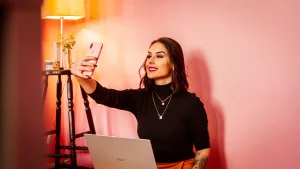
Online influencers promote their personalities, content, areas of interest, and expertise on online platforms to gain recognition and build their brand. Gaining followers requires confidence and showmanship. To best compete, some influencers use editing tricks to appear more attractive, healthier, more competent, and extra qualified. Because editing tricks are hard to spot, kids often emulate influencers with the impression that they really are that perfect.

Positive Impacts of Social Media Influencers
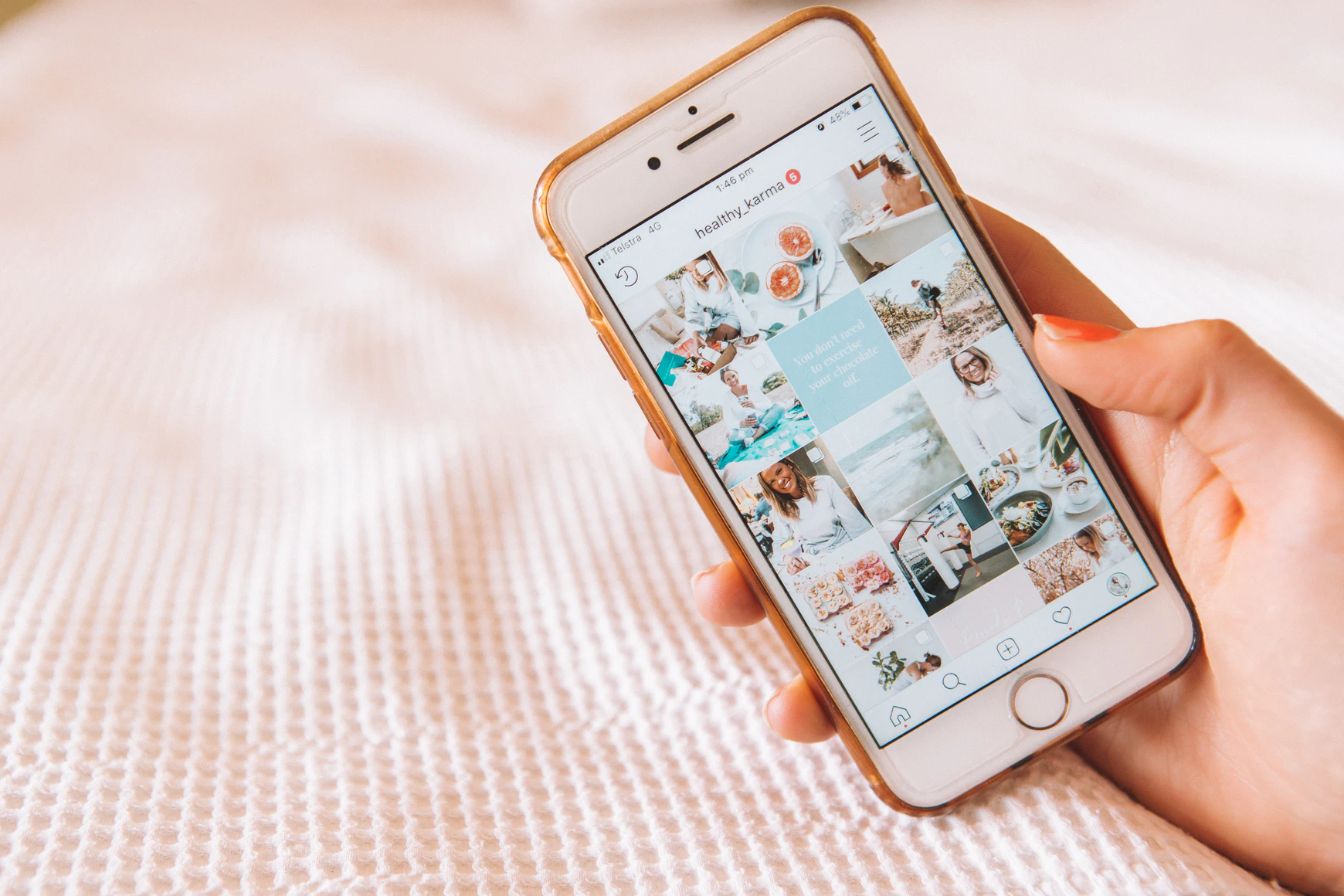
The most popular categories that social media influencers focus on are lifestyle, health, fitness, travel, art, work, fashion, luxury, photography, beauty, pets and animals, and parenting.[2] 

The positive impacts influencers offer include:

  • information for education and awareness, 
  • an engaging and supportive community of like-minded people, and
  • creativity and entertainment.

Negative Impacts of Social Media Influencers

Some influencers are less interested in quality content and more focused on entertainment that will boost their numbers. To that end, they will use more filters and online trickery and promote harmful content like unrealistic body types, lifestyles, diets, fashion, gossip, rumors, and drama. Harmful content can cause problems with kids and teens, including decreased appearance satisfaction, low self-evaluations, higher negative mood, and insecurity.[3] Over time, these problems can escalate to mental health issues like anxiety, depression, body dysmorphia, and eating disorders.  

Body Positive Movement

According to a social media report from a Norwegian influencer marketing platform, 47% of surveyed influencers revealed that they felt their job harmed their mental health, and 32% believed the platform hurt body image.[4] One way to express and promote unconditional self-love is by supporting the body positivity movement. This worldwide movement focuses on acceptance and equality for all body types and sizes. 

One of the movement’s goals is to challenge how our society, particularly all forms of media, presents and views the human body.[5] With body positivity modeled by influencers (without the use of filters and digital manipulation), fans feel more confident and comfortable in their bodies.

 Instagram vs. Reality

Another popular movement in the media that spreads awareness about the harmful nature of social media is called Instagram vs. Reality. This movement offers a side-by-side comparison of two of the same photos; one photo edited and the other not. 

The purpose of this trend is to bring attention to the differences between natural and filtered images. This trend inspires people to embrace themselves naturally without enhancements. Instagram vs. Reality reminds us that online content is not always accurate. Our Screen Safety Essentials Course for parents and families offers helpful strategies for social media behavior while reinforcing mindful habits to prevent feelings of self-consciousness and anxiety. 

Seeking Self-Acceptance and Fleeing from Filters

Before friending or following someone in real life or online, consider if they reinforce positive, authentic, and empowering morals. Social media influencers that we like appear to serve from the depths of their experienced and passionate hearts. 

Positive and Qualified Influencers to Follow

  • Huda Kattan- Beauty Blogger and Makeup Artist
  • Zach King- Digital influencer, Writer, Comedian
  • Michelle Lewin- Fitness Influencer
  • Jamie Oliver- Chef
  • Joanna Gaines- Lifestyle Blogger and Writer
  • Jack Morris- Travel Influencer
  • Savannah LaBrant- Parenting Influencer
  • Beth Evans- Mental Health Influencer
  • PewdiePie- Gaming Influencer
  • Amanda Gorman- Activist, Poet, Influencer
What Parents Can Do to Protect Their Kids

Parental oversight of child exposure to online content is critical for safety and developing a positive self-image. One way to do this is by monitoring your child’s online activity, such as the sites they visit, the content they watch, who they follow, and how much time they spend online. 

GKIS has a variety of valuable courses designed to help families navigate the various pitfalls of internet exposure and prevent digital injury.

  • The GKIS Social Media Readiness Training is a valuable tool that teaches teens about the inherent risks of social media and ways to make healthy decisions when encountering them.
  • The Screen Safety Toolkit is a family-tested, outcome-based resource guide with our best recommendations, how-to information, and links to our favorite easy-to-onboard parental control systems.
  • The GKIS Connected Family Course will provide parents of school-age families with tips for creating a safe screen home environment through fun parenting techniques that are designed to guide sensible screen management.
  • Finally, our most comprehensive program is our Screen Safety Essentials Course. Our comprehensive Essentials Course provides parenting and family coaching information, support, and other valuable information and activities to get you dialed in for screen safety and healthier family relationships.

Thanks to CSUCI intern Haley Begun for researching and co-authoring this article!

I’m the mom psychologist who will help you GetKidsInternetSafe.

Onward to More Awesome Parenting,

Tracy S. Bennett, Ph.D.
Mom, Clinical Psychologist, CSUCI Adjunct Faculty
GetKidsInternetSafe.com

Works Cited

DMI, Simon @. “20 Surprising Influencer Marketing Statistics: Blog: Online Digital Marketing Courses.” Digital Marketing Institute, Digital Marketing Institute, 27 Oct. 2021, https://digitalmarketinginstitute.com/blog/20-influencer-marketing-statistics-that-will-surprise-you.

“Best Influencer Marketing Categories.” IZEA, 5 Dec. 2019, https://izea.com/resources/influencer-marketing-categories/.

 Liebenson, Donald. “Social Media Influencers: A Positive or Negative Influence?” NewFolks, NewFolks, 20 Sept. 2021, https://www.newfolks.com/stages/influencers-teenagers/.

Leighton, Heather. “Influencers Admit That Instagram Is Bad for Body Image, Mental Health, Study Shows.” Forbes, Forbes Magazine, 10 Dec. 2021, https://www.forbes.com/sites/heatherleighton/2019/12/13/is-instagram-bad-for-your-mental-health-body-image/?sh=3b44410b1e55.

Kristen Fuller, MD. “Body Positivity vs. Body Neutrality.” Verywell Mind, Verywell Mind, 11 June 2021, https://www.verywellmind.com/body-positivity-vs-body-neutrality-5184565.

Photo Credits

Karsten Winegar- https://unsplash.com/photos/60GsdOMRFGc 

Mateus Campos Felipe- https://unsplash.com/photos/ZKJQCWsKmPs 

Billie- https://unsplash.com/photos/k2vn6he4lDQ 

Maddi Bazzocco- https://unsplash.com/photos/Vbt1zTCsSNA

Cristian Dina- https://www.pexels.com/photo/white-smartphone-1851415/ 
YouTuber Marketing Strategies

Gambling was ruined for me after I took Psychology 101 in college. Learning that slot machines were programmed on the same ratio of reinforcement that makes rats ask for cheese made me feel controlled and conned. I mean, who wants to give hard-earned money to somebody who’s training you like a rat? Now our screen devices are jumping us through hoops, with addictive features and profitable scams. If your kids are on YouTube, then they’re ready to learn about the “business side” of social media.

Buyer Beware

The Internet is a “buyer beware” environment. That means it is up to us to discover where the tricks and scams are.

There are regulations about collecting information and marketing to children because they do not yet have the sophistication to make sound, informed financial decisions. However, marketers online can’t be sure who is watching their content.

That means they can create marketing funnels that kids can fall into. Publicly, YouTube celebrities would insist they are only marketing to adults. But if that’s the case, why are so many kids and teens spending money online?

Celebrity Endorsement

When celebrities endorse a product, they lend their credibility to it. Viewers think, “I trust them. If they like it, I like it.” Viewers can spot celebrity-endorsed products when Youtubers say they are sponsored, affiliated, or teamed up with a company.

For example, Tana Mongeau (2.8M subscribers), Gabbie Hanna (6.5M subscribers), and plenty of others[2] were paid by Kenza Cosmetics[3] or Bermona[4] to advertise “great deals” to their subscribers. To maintain credibility with their fans, celebrities must be honest about their support of a product. However, YouTube influencers who are out for quick cash with little regard for their credibility and reputation scam their fans with inflated prices and hidden shipping costs.[5]

Scarcity

Scarcity is a classic marketing technique that refers to the “buy now before you miss out on a one-time limited offer.” The urgency drives consumers to impulsively buy. YouTubers commonly say three things that reflect scarcity.

They will say:

  • the product is amazing and insist you’re getting a great deal.
  • the product is in short supply, or the deal is a limited-time offer.
  • “I don’t want you to miss out on this”.

Beauty guru Jeffree Star (13.9M subscribers) used scarcity to sell his collection of eyeshadow palettes priced around $80 each in only three minutes.[6] No wonder he’s worth $50 million!

Pester Power

Ask any child what they want to be when they grow up, and they’ll say “YouTuber.” Many kids believe that all they have to do is post a video, and in a few months, they’ll be raking in the cash. To prepare, they hang onto every word of their favorite influencer, imagining that they too will one day be rich and famous. They adopt their lingo, accents, and interests, and want to buy what they have. This leads kids to pester their parents for online products or even use their parent’s credit cards without asking.[8]

Provoking Minions by Creating Conflict with Other Celebrities

Creating large-scale competitions or beef (having a grudge or dislike for another person) is one technique influencers use to increase subscriber rates. Spurring online fans into promoting your “win” creates drama with dollar signs. Superfans promote content for you, sweeping their friends into the frenzy with them. Free of charge!

Superfans who become radicalized to show support for their ingroup is a process social psychologists call deindividuation. Deindividuation is a psychological state where people get so caught up in their cause, they become disinhibited and fail to self-evaluate. It’s an intense state of belonging where one seems to lose oneself in the service of their chosen tribe. Famous examples are usually negative, like mob violence, but positive behaviors can occur as well. Teens and young adults are particularly susceptible as they are innately motivated to find and enthusiastically support their tribe.

An example of this type of marketing campaign is YouTube Red’s 2018 Boxing Match between YouTube Influencers KSI (20M subscribers) and Logan Paul (18.8M subscribers). The finale of their feud was a pay-to-view event where the two “boxed” for around 20 minutes, bringing in 13 million viewers and 7 million dollars of profit.[1]

The Apology Video

Wondering how YouTubers survive unfair marketing techniques directed at their subscribers? More marketing and PR. Here are some tactics we identified that seem to clean up celebrity marketing mishaps.

Delete the Evidence

Although celebrities delete the videos that got them into trouble in the first place, we all know that anything that appears on the Internet is there to stay. If the video promises to draw further attention, drama vlogs (YouTube videos about YouTube drama) will rebroadcast the offending video while criticizing the decision. Not only does the new vlogger gain subscribers from spilling tea, but it also drives new subscribers to the screwup’s site!

Get Ahead of the Narrative and Focus on the Fans

By making an apology right out the gate, the celebrity attracts more view time and takes control of the narrative.[9] By also showing dramatic concern for those hurt by the mishap, they may humanize themselves, making it seem that their fans are more important than fame.

Logan Paul (18.8M subscribers) is an example. In 2018, he released a video of him and his friends laughing as a suicide victim in Japan’s infamous Suicide Forest.[14] Media, including Dr. Bennett who was appearing as a parenting expert on Access Hollywood Live, expressed grave concern over his lack of discretion and empathy. In his apology video, he spent the first 30 seconds quickly going over what he had done and then focused primarily on his followers and all those who were affected by his actions.

Tears and Relatability

When a YouTuber makes an apology, they change up their appearance to seem more personal and relatable. Placing themselves in a lower position than the camera, wearing neutral colors, and choosing casual loungewear make the celebrity look less threatening.

Next, they get sad…really sad. Laura Lee, for example, apologized for racist remarks using every tactic talked about in this article, including dramatic crying and brushing away nonexistent tears.[15] Although it seemed effective for some, others remarked that the evident lack of sincerity was a show in itself.

Provocative Victim

One method of gaining fan support is sparking conflict and then crying about it for the next few weeks. Dr. B calls this the provocative victim technique. Trisha Paytas (4.8M subscribers) is famous for making over a dozen 15-minute videos of tearful breakdowns. Viewers don’t even care about what the topic or apology is about. They just come to see the spectacle.

Project Blame

Some YouTubers will try to blame other celebrities or even their own subscribers. For example, Gabbie Hanna made an apology for scamming her audience with Kenza Cosmetics, claiming that her fans should’ve done their research before purchasing.[13]

How to Prevent Marketing Manipulation

Even with education, children don’t have the experience or brain wiring to identify slick marketing techniques. But it shouldn’t stop you from educating them anyway. Here are some helpful tips to stay Internet safe.

YouTubers are not our friends.

Recognizing that YouTubers are strangers with no particular skill set or expert training is the first step to a healthy approach to viewing content. No matter how much they try to sell the idea they’re your “close friends,” they don’t know you nor do they care about your particular vulnerabilities.[16]

Don’t turn a blind eye.

Dr. Bennett believes the most important aspect of screen safety is forming a fun, cooperative alliance with your kids. By adopting our free GKIS Connected Family Agreement and reading and sharing our weekly GKIS blog articles, you’ll have lots of ideas for important and challenging family discussions. Just as parents teach their kids about screen issues along the way, kids also teach their parents.

Raise a smart consumer.

Taking the time to teach your kids how to be clever, savvy, and assertive is far more important than encouraging blind obedience. Help your kids build resilience and protect them from the unpleasant aspects of the online culture. Use discretion, yes, but don’t allow complacency and ignorance.

Use supportive resources.

GKIS helps families become smarter and more connected. Want some easy-to-use, affordable tools to get started? Here are some options for you:

OUR FREE GKIS CONNECTED FAMILY AGREEMENT AND WEEKLY BLOG ARTICLES: Once you enter your name and address at GetKidsInternetSafe.com, you are scheduled to receive your agreement and weekly articles. Snuggle in for a cup of tea and a quick read once a week to set your teaching agenda and build a closer, empowering parent-child alliance.

CYBERSECURITY & RED FLAG SUPPLEMENT: Don’t miss your Cybersecurity and Red Flag Supplement for your Connected Family Agreement. Not only will my cybersecurity tips improve your family’s privacy and security, but your kids will benefit BIG from knowing what kind of red flags to look out for online to avoid danger. You’ll also love the red flags you should look out for in your children’s behavior that may signal they need your help. Early intervention can make a big difference between making a mistake versus suffering from serious digital injury.

Dr. B’s SCREEN TIME IN THE MEAN TIME PARENTING BOOK: If you’re looking for a comprehensive source about screen benefits, screen risks, and parenting strategies, check out my book, Screen Time in the Mean Time: A Parenting Guide to Get Kids and Teens Internet Safe. Available on Amazon in e-book or print.

GKIS SCREEN SAFETY TOOLKIT: Ready to dial in safety at the device level but too overwhelmed to know where to start? We’ve got your back with our Screen Safety Toolkit. Start building your family’s custom digital toolkit with the tried-and-true recommendations from our guide. Have you wondered how to check their browser history, filter and block inappropriate sites, and monitor use? You won’t want to miss what we offer in this super low-priced, comprehensive guide.

GKIS CONNECTED FAMILY ONLINE COURSE: Early on, I realized that many avenues feed fun family connections and screen safety. My Connected Family Course offers ten quick steps to create a happier, healthier home. Filled with creative and fun tips that are family-tested and outcome-based, these are far more fun and effective than the free parenting tips offered on safety websites.

COACHING WITH DR B: Feeling like you need a little support and shame-free TLC? I have reserved office hours to coach you through the most challenging issues. Whether you love the privacy of 1:1 coaching or the vibrant energy of a motivated parenting group, I’ve got easy-to-schedule coaching options ready to go!

Thanks to Jack Riley, GKIS intern, for watching hours of YouTube for the research on this article and his clever insights.

Onward to More Awesome Parenting,
Tracy S. Bennett, Ph.D.
Mom, Clinical Psychologist, CSUCI Adjunct Faculty


Works Cited

[1] Hale, J (2018, August) How Much Did Logan Paul And KSI Make From Their ‘Youtube World Boxing Championship’? A lot. tubefilter.com

[2] Tea Spill, BEAUTY GURU’S ARE LYING TO YOU!?, YouTube.com
[3] kenzacosmetic.com

[4] bermona.com

[6] JEFFREE STAR SOLD OUT MAKEUP IN 3 MINUTES

Rich Lux., YouTube.com

[7] Mansson, E (2018, December) Sister Stocked? Not A Chance. The James Charles x Morphe Palette Has Sold Out For A Second Time, thetalko.com

[8] Dr. Bennetts Marketing Manipulation advice

[9] Forbes Communications Council, Seven Tips To Improve Apologies During A PR Crisis, forbes.com

[10] Morris, C (2018, December), Popular YouTube Streamer promotes Channel that publishes Anti-Semitic Content, Fortune.com

[11] Aja, R (Feburary,2017), The controversy over YouTube star PewDiePie and his anti-Semitic “jokes,” explained, Vox.com

[12] PewDiePie’s Teammate gets killed, he says it with a hard R out of frustration, Livestream Fails, YouTube.com

[13] Cancelled, gabbie hanna kenza cosmetics scam, YouTube.com

[14] Logan Paul Vlogs, I’m Sorry., YouTube.com

[15] Deceased Laura Lee apology with original captions, YouTube.com

[16] Oldford, S (2018, October) Manipulation in Marketing: How It’s Used, and How to Use It Ethically, entrepreneur.com

Photo Credits

“YouTube” photo by Esther Vargas

Photo Taken fromFreeStocks

“Serious Woman with Laptop Photo” photo by Matthew Henry

“Man Crying” photo by Christian Erfurt

YouTube Celebrity Scams


Kids and teens love YouTube’s colorful celebrities who cater to their specific interests. But many influencers use their celebrity status to lead fans into harmful situations. In today’s GKIS article, find out how these YouTube celebrities promised big earnings from online gambling, offered poorly planned conventions, attacked other influencers, and encouraged fans to harass other online competitors. Using unethical tactics and no disclosure, many of these profit-making schemes succeed unchallenged.

What’s a YouTube influencer?

A YouTube influencer is a person with a YouTube profile that has a large number of followers and can influence trends, products, and purchasing habits. Their content is typically videos of product recommendations or reviews. Other times, it’s a video (vlog) with influencers talking to their audience about anything that strikes their fancy. Most vlogs include colorful opinions, vulgar language, and provocative topics.

Most influencers are trained marketers who profit from ads, partnerships, and paid sponsorships. Although some provide harmless entertainment, others intentionally mislead or introduce content that can harm their followers.

“Oops, I didn’t mean it.”

One-time mistakes are getting increasingly rare among YouTube celebrities. For some, a string of mistakes results in more fame and profit. For instance, PewDiePie is one of the world’s most famous YouTube celebrities with 91 million subscribers. In 2108, he was criticized for promoting an Anti-Semitic YouTube channel [1], delivering Anti-Semitic jokes [2], and using the hard N-word to thousands of viewers in a live stream video [3].

In 2019, PewDiePie stoked fan fires by encouraging “a fight” with a YouTube channel T-Series and Indian production house. Competing for subscribers, PewDiePie fanned a competition between American YouTube culture versus Indian YouTube Culture. The rallying cry resulted in hacking printers and Google homes, a vandalized World War II memorial in Brooklyn (“subscribe to Pewdiepie”), and, most horrifying, a Christchurch mass murderer yelling “subscribe to PewDiePie” during the live stream of his shooting.

YouTube Influencers Encourage Gambling

CSGOLotto: In 2016, YouTubers TmarTn and ProSyndicate promoted and advertised a site called CSGOLotto. On this site, players bought in-game items that were placed into an online pot alongside other people’s purchased merchandise. The goal was to gamble to win the biggest pot of merchandise.

Video ads for the GSGOLotto showed TmarTn and ProSyndicate having fun gambling large amounts of money trying to win big. Most times, they did win BIG – up to three times the amount they started with up to $20,000 worth of merchandise!

Based on our research, at no point in the ads or written copy did either influencer mention to their collective audience of 13.5 million that they owned this site and were profiting directly. We found the ads to be misleading, looking like the celebrities were simply players rather than profiteers.

Mystery Brand: In 2018, Jake Paul and RiceGum created a similar gambling site called Mystery Brand. In this game, players purchase $5 to $100 virtual boxes that would contain a mystery item worth either less or more than the amount paid. The promised a chance to win a $250 million house with only a $15 buy-in.

The influencers were reportedly paid $100,000 for promotion to their collective 30 million subscribers. In their videos, they narrated how they “teamed up” with Mystery Brand to show how “dope” it was to play.

After demonstrating the easy signup process, the two spent big. Once a player buys in, their money stays in. Players can’t cash out. They can only earn sponsored prizes shown on the site, like a virtual shopping mall. For example, in one video RiceGum shows off his $15,000 profit after only spending $3,000. Neither RiceGum nor Jake Paul refers to the site as “gambling,” but instead call it a “game” with “good value,” promising “there is no losing in this.” Based on our research, no place on the site states the players’ chances of winning.

A Poorly Planned Convention

Tana Mongeau is a content creator with 3.7 million subscribers. In 2018, 5,000 people showed up at a hotel in Anaheim to attend her convention, advertised to be a cheaper and more accessible version of Vidcon (which is a large-scale event hosted by YouTube to meet your favorite YouTuber). Due to poor planning, over 4,000 people waited for over four hours in the sweltering heat outside of the hotel. There were little shade, food, or water available, and many attendees got sunburned, passed out, and rioted due to poor accommodations and security.

Although promised to be free, it wasn’t. While 4,000 waited outside, the 1,000 inside were greeted with a $60 “VIP” pass, with a lack of entertainment, overcrowding, and almost the same issues as those outside the hotel. The videos of this event are upsetting to watch.

Using Their Platform to Attack People

When some YouTube influencers don’t like other content creators or other people in general, they sometimes rant with name-calling and unfair accusations. This cyberbullying can result in a cyber flash mob of dedicated fans that cyber attack through doxing (showing private information), pranking, and cyber-harassment.

False Accusations Against a Competitive Influencer

Jackie Aina is a popular beauty guru who creates and shares videos of makeup applications with 2.9 million subscribers. In 2018, she made a video accusing another YouTuber, Petty Paige (128 thousand subscribers), of stealing $1,500 from her personal bank account.

This accusation appeared to have no proof of legitimacy. Although she never stated Petty Paige’s name in the video, she put up a picture of a video Paige had made, making it easy for her subscribers to identify the accused perpetrator. Jackie Aina’s fans took to social media to harass Paige for weeks. Paige even stated that many business and job opportunities were canceled because of harassment.

Targeting Their Audience

The Gabbie show (6.4 million subscribers) is one of many YouTubers who have targeted everyday people with no regard to how the fan base would react to it. When a young girl in her audience made a negative comment on one of Gabbie’s tweets, Gabbie screenshotted it along with the girl’s account and posted it on her Twitter (2.7 million followers). This led fans to spam and harass the girl, flooding her inbox with hateful messages.

Are there legal consequences?

Too often, when malicious or unethical online behavior is identified, the scandal is fleeting. For example, in the case of TmarTns and ProSyndicate’s gambling scam, the Federal Trade Commission (FTC) filed a case for lying about ownership of a product. Yet somehow, both influencers avoided legal prosecution, only suffering a mild loss in subscribers and yearly income due to a damaged reputation. They still have a net worth of around $5 million.

For Jake Paul and RiceGum, absolutely nothing happened. RiceGum created a video justifying his behavior as the same as what others do. Jake Paul made a joke about the situation. When asked, “You loved being called out for selling a gambling scam to underage kids?” He responded, “Yes, love it.”

Of the influencers covered in this article, Tana Monogue probably received the biggest consequences. After months of backlash and hate from fans and YouTubers, Tana made multiple apologies. But she still suffered no legal consequences. And as for what Jackie Aina and Gabby Shows did, many just see it as insignificant errors in judgment.

What can be learned?

  • Influencers are not your friends and most often cannot be trusted.
  • Fanning follower anger is often fake and staged.
  • On the internet, bad behavior makes influencers money and often goes unpunished.
  • If you believe the hype, you’re gullible. It’s probably not worth the drama. Think for yourself instead of following blindly.

Thanks to GKIS intern Jack Riley for researching and writing this article. If you learned from this article, stay tuned for part 2, which details the irresponsibility and scams that YouTube influencers continue to feed their audience as well as the marketing and social manipulations used to make sure viewers keep coming back.

Onward to More Awesome Parenting,
Tracy S. Bennett, Ph.D.
Mom, Clinical Psychologist, CSUCI Adjunct Faculty

Works Cited

YouTube Influencers Encourage Gambling

  • Fluff, TMARTN GAMBLING ON CSGO LOTTO & DECEIVING OWNERSHIP (Full Video Reupload), YouTube.com

  • (2016, July) YouTube gamers caught in gambling row, bbc.com

  • FTC

-HonorTheCall, CSGO Lotto Update ft. Tmartn & Prosyndicate (HonorTheCall Show), YouTube

  • Jake Paul’s Tweet

  • Jake Paul, I Spent $5,000 ON MYSTERY BOXES & You WONT Believe WHAT I GOT… (insane), YouTube

  • MysteryBrand.net

  • RiceGum, How I Got AirPods For $4, YouTube

  • RiceGum, This Dude Calls Me Out For Mystery Unboxing…, YouTube

 A Poorly Planned Convention

-Dishwashinglickwid, Intentions: The Good, the Bad, and the Just Plain Stupid (Tana, James Charles, Huda Beauty), YouTube.com

-Farokhmanesh, M. (2018, June) YouTuber’s anti-VidCon convention -TanaCon was such a disaster that fans are comparing it to Fyre Fest, theverge.com

-Kircher, M. M. (2018, June) A Mouth to Hell Opened This Weekend at Tanacon, a Fyre Festival for the YouTube Set, nymag.com

  • Shane Dawson, The Real Truth About Tanacon, YouTube.com

Targeting Their Audience

  • Dishwashlickwid, Influencers acting stupid (protect your brain cells), YouTube.com

  • TeaSpill,JACKIE AINA MAKES SERIOUS ALLEGATIONS AGAINST PETTY PAIGE, YouTube

Photo Credits

“man sitting on chair in front of condenser microphone” Photo by Gianandrea Villa

“man holding black Android smartphone” Photo by Rachit Tank

“black and white skull printcrew neck shirt” Photo by Todd Trapani

YouTube Celebrity Burnout, Is It Viral? Part 2 of a 2-part series.

Most parents are baffled by the YouTube celebrity phenomenon so popular with kids and teens. To keep us in-know, our last GKIS article, Why are YouTube Celebrities Popular?, explained why YouTube celebrities are so popular. It looks easy, but the truth is attracting and keeping viewers is not as easy as it looks. Recently, YouTube celebrities have been coming out in droves talking about their struggles with mental health issues. Is this a fad topic intended to attract more viewers? Is it a valuable community service, because it offers mental health information? Or are YouTube celebrities actually stressed out and overextended to maintain earnings? Find out what’s behind the curtain of YouTube celebritydom and how practicing tried-and-true self-care methods is the answer for staying healthy and successful. 

The Breakdown Video

In 2016, top YouTube celebrity PewDiePie reached his breaking point. In a video titled “I QUIT (for now),” he announced that he couldn’t keep up the pace of uploading videos daily. Even the wildly successful veteran PewDiePie was crumbling under the stress and anxiety of a daily vlog. 

Elle Mills is a more recent celebtrity who became an overnight sensation last year with her coming out video, increasing her subscriber count to 1.2 million. Soon after, she posted her burnout video. In her seven-minute emotional video, she explains:

“This is all I ever wanted. And why the fuck am I so unfucking unhappy? It- It doesn’t make any sense. You know what I mean? Because, like this is literally my fucking dream. And I’m fucking so unfucking happy. It doesn’t make any sense. It’s so stupid. It is so stupid.”

Because of the fast changes in her life and the effect YouTube was having on her, she decided to take a break to recuperate and find her love for creating content again. 

Bobby Burns gained almost a million subscribers in less than two weeks after working with celebrity Shane Dawson. Shortly after, Burn abruptly decided to move to Los Angeles and change his content. Sadly, Burn received a lot of backlash from Shane fans and his subscriber numbers ultimately declined under accusations of selling out and changing content for Shane. Eventually this led to his video explaining his breakdown, saying:

“I didn’t make videos, I did- I literally didn’t do anything. I tried- I tried incredibly hard but I couldn’t. I would go to touch my camera or touch premiere and I would just have a full-blown anxiety attack. When this was first happening I was so confused, I was like why? I love making videos so why the fuck is this happening? And the reason that was happening is because I completely burnt myself out and I lost myself in YouTube.”

Common Elements Behind YouTube Celebrity Breakdowns

AdSense:When YouTubers are first starting out, they receive their money through Google AdSense. The amount of money received depend on two key factors, the types of ads and the pricing of ads appearing in your videos. So, whenever a viewer clicks on an ad on your YouTube channel, you get paid a certain amount of money. This creates a pressure to upload daily among YouTubers, so they can maintain their status as a YouTube celebrity and have a consistent flow of income. 

Always-Changing YouTube Algorithms:An algorithm is a set of rules created to solve a class of problems. When we speak of YouTube algorithms, we are referring to the specifications that get one’s video offered up to viewers. There is big competition. Every minute there are over 400 hours of videos uploaded to YouTube, making it necessary to have a way to make content easier to find.[1] According to YouTube, the point of having the search and discovery system are to help viewers find videos they want. 

Initially, the algorithm was fairly simple, rewarding the most clicked videos. Now videos are rewarded by the number of minutes the video is viewed, among other factors. Staying relevant creates a lot of pressure to produce fresh, new, and creative content each upload.

Currently, the six ways the algorithm can affect where YouTuber’s videos appear are through search results, suggested video stream, recommended viewing, trending stream, the viewer’s subscriptions, and any notifications the viewer has set up. [1]

Demonetization:Another concern is the fear and frustration of having your video demonetized. Demonetization means that the video is not suitable for monetization (making money from ads), since it does not comply with YouTube guidelines. However, this continues to be a frustrating and confusing topic for YouTubers since YouTube’s software decides if the video is advertiser-friendly. Software occasionally messes up ad revenue by incorrectly putting it in the ‘demonetization’ category. This can have a costly financial impact.

Brand Ambassadorships & Product Lines: Not only must YouTube celebrities manage their own brands, but they often partner with others. Typically that means partnering with somebody with a similar platform (number of subscribers). Other times, there’s pressure to earn the attention of a bigger celebrity. In order to be marketable, one must create and test content to build an attractive business portfolio. Another way to increase profits and expand influence is to create a personal product line. One business quickly leads to others… 

Is YouTube doing enough to support YouTube celebrities?

YouTube Creator Academy launched in 2013 for the purpose of providing free educational videos on starting a YouTube channel or helping your channel be successful. Creator Academy courses include foundation, production, growing your channel, earning money and building your business on YouTube, and YouTube content categories. [2]

The course “Staying well and avoiding burnout” was added in June, 2018. Polygon writer, Julia Alexander, writes:

 “There is no concrete answer for how YouTube executives and employees can tackle burnout. They can offer more transparency around monetization and copyright rules…but it’s going to take a lot of experimenting and communication. Tools like the community tab, which offer creators a chance to hang out and talk to fans without needing to work on a video is just one step.” [3]

Avoiding Burnout

YouTuber celebrity and vlogger, Casey Neistat, offers, the following suggestions for preventing YouTube burnout:

Take a break.

It’s important to give yourself a break from the fast pace of YouTube. Letting your viewers know that you are taking time to recuperate and take care of yourself shows an openness and bond as a creator. Go on that long-awaited vacation without feeling guilty. 

Spend time with family and friends.

Usually a YouTuber’s time consists of long hours of planning, filming, and editing. Having a balance of work and play are crucial for one’s mental health. When you spend time with family and friends it can be a time to unwind and not focus on YouTube. Remember, you still have a life outside of YouTube, and it doesn’t always need to be publicized to millions of viewers in the world.

Don’t be afraid to ask for help.

This can mean many things. Hiring more hands-on deck to film the content, edit videos, manage social media outlets, and create a balance on work and life can remove those added pressures and creative blockage. For impairing mental health issues, seek professional help.

Diversify your income.

YouTube ad revenue isn’t the only way to make money. The membership site, Patreon,is an outlet for YouTubers to create a page so subscribers can pay to get bonus creator content. Forming a direct relationship with sponsors can also help funding. Being a part of events that hold Q&A panels, conferences, or platforms for YouTubers also help. Production deals with media companies like Netflix or Disney can offer lucrative revenue. Finding ways to diversify your income is important to weather dips in one revenue source.

At the end of the day, YouTube businesses are like other entrepreneurial ventures. Staying centered, learning how to tolerate risk, build support for wearing multiple hats and ultimately outsource, and learning how to manage teams and finances are critical for success. Want to learn more about YouTube’s impact on kids? Checkout YouTube Beauty Gurus Suck Money and Teen Confidence and GetKidsInternetSafe Tips for YouTube.

Thank you to CSUCI Intern, Sasha Mejia for taking the initiative to research and write this article in response to your insights!

I’m the mom psychologist who will help you GetKidsInternetSafe.

Onward to More Awesome Parenting,

Tracy S. Bennett, Ph.D.
Mom, Clinical Psychologist, CSUCI Adjunct Faculty
GetKidsInternetSafe.com

Works Cited

[1] YouTube. “Lesson: Search and Discovery on Youtube.” Youtube Creator Academy, 2018.

[2] Google. “Learn with the YouTube Creator Academy.” YouTube Help, 2018.

[3] Alexander, Julian. “YouTube exec addresses burnout epidemic: ‘We should be the thought leaders in the space’.” Polygon,18 September 2018.

Photo Credits

Photo by Darius Bashar on Unsplash

Photo by Claudia on Unsplash

Photo by MARK ADRIANE on Unsplash

GetKidsInternetSafe Tips for YouTube


Did your kids watch endless hours of YouTube this summer? If so, they are not alone. Limitless quantities of content has made YouTube the second most visited website in the world; FaceBook is number one. Famous YouTube stars, like PewDiePie and Smoosh, boast over 56 million subscribers and 15 billion views! That translates to a $15 million dollar paychecks and enormous influence over our kids. This morning I appeared on Access Hollywood Live to answer parent questions about YouTube. What is the appeal for kids, and what do parents need to know?

What do kids watch?

YouTube offers content for any viewer appetite. That too often means sex, violence, alcohol and drugs, product sales, and beauty tips. Kids and teens particularly love music videos, let’s play videos, and vlogs created by YouTube celebrities (“YouTubers”).

Let’s Play videos show YouTube celebrities playing popular video games, commenting and demonstrating game strategies along the way. There are Let’s Play videos that are safe for kids. Others are full of f bombs and inappropriate commentary. Famous YouTube personalities, like Shane Dawson, Smoosh, Trisha Payatas, Jenna Marbles, and Gigi Gorgeous, specialize in sharing opinions, intimate details, and information, acting out silly skits, testing products, and acting out pranks and challenges. Kids become devoted fans, memorizing personal details and impersonating their styles after watching endless hours of curated content.

What is YouTube’s appeal for kids?

The BIG appeal is that it’s a kids-only community without parent interference. We simply “don’t get it.” Kids love having this scene all to themselves, not unlike the rock-n-roll community in the 1950s. YouTubers feel like friends. Through intimate disclosures and humor, YouTubers are that crazy Uncle or zany Aunt you followed around during dull family reunions, because they horrified everybody else. Kids report that YouTube personalities are relatable and more authentic than PR-managed movie celebrities. Kids find them inspirational, admiring that they have fame and fortune simply from play.

What age do kids start watching YouTube?

Kids see YouTube videos as soon as they’re old enough to type in a browser. That means parents need to be proactive. 

5 GETKIDSINTERNETSAFE TIPS FOR YOUTUBE VIEWING

Stage your home

Set up screens so you can supervise (no bedrooms, no bathrooms, no closed doors).

Dock all devices at night in a community docking station.

Install a family-friendly router with content filters.

Keep in mind what safety measures are in place at other houses they visit.

Stage your device

If your kids are 3 to 8 years old, use the YouTube Kids.

For older kids, turn on the restricted mode at the bottom of the YouTube screen. This will filter out videos that have been flagged by other users and contain inappropriate content.

Set your parental controls on devices and through your Internet service provider.

Use a childsafe browser.

Set rules about viewing AND posting

Viewing: Be specific about what’s OK for your kids to watch and what isn’t. YouTube celebrities and Let’s Play videos can be raunchy and filtering is never perfect. Watching over their shoulders and checking their browser histories are your best monitoring options. Unfortunately though, they may be using the private browsing option. If an ad precedes the video, that’s a sign that an advertiser thought it was “clean” enough to place their ad. Checking out the videos that YouTube recommends based on previous viewing is another slick way to get an idea about what types of videos your kids have been selecting.

Posting: If your child wants her own channel, consider the consequences of others viewing silly and sometimes inadvertently sexual performances. Kids emulate what they see and sometimes have no idea what it means. Thanks to popular music videos, it’s not much to imagine your eight year-old dancing sexy while it rains dollar bills, for instance. If you decide to take the risk, set your child’s YouTube channel on private and be vigilant for unknown subscribers. Remember, kids post what they think will be watched and “liked” (sensational or off-color humor). Enforce the “Grandma rule,” which means don’t post anything you wouldn’t want grandma to see.

Set time windows

No-screen windows, like #NoTechTuesday, never before school, and not until early evening after homework, forces kids off their screens and into real life conversations, books, play dates, and backyard adventures. Balance between online and offline interactions is key to healthy socioemotional development.

Do your job

Outsourcing parenting because you don’t have the time or energy is a mistake. Carve out time, co-view videos, and have fun sharing with each other. Kids don’t learn morals, values, and good judgment without a lot of teaching from us. Tell them what’s out there and SPECIFICALLY what to do when they accidentally view or post something inappropriate. Help them generate solutions to digital problems and imagine the consequences of each. All kids will make a lot of mistakes on- and offline before they’re adults. Stay firm but also warm with a sense of humor.

Want to learn about your child’s next obsession, Instagram? Check out my GetKidsInternetSafe article The GKIS Sensible Parent’s Guide to Instagram.

I’m the mom psychologist who will help you GetKidsInternetSafe.

Onward to More Awesome Parenting,

Tracy S. Bennett, Ph.D.
Mom, Clinical Psychologist, CSUCI Adjunct Faculty
GetKidsInternetSafe.com