Need peaceful screen time negotiations?

Get your FREE GKIS Connected Family Screen Agreement

instagram

Kids Watched a Facebook Live Suicide That Turned Into a Trending Meme

A 33-year-old army veteran named Ronnie McNutt gruesomely killed himself in a Facebook Live video on August 31, 2020.[1] Soon after, memes and jump cuts to his suicide were floating around social media sites like TikTok, Twitter, and Instagram. From there, reaction videos between friends and siblings began trending. Unfortunately, this is not the first time an online suicide began trending and turned into a meme. This subculture of macabre shock humor not only desensitizes kids to violence, but it can also cause copycat behaviors and serious trauma symptoms.

How Kids Fall Victim to Traumatizing Shock Humor

The extremely popular TikTok has a customized feed called the “For You” page. The For You page shares trending videos that may be relevant to the user’s view history with a few random videos added in for variety. This is the reason disturbing videos may appear out of nowhere on a user’s page.
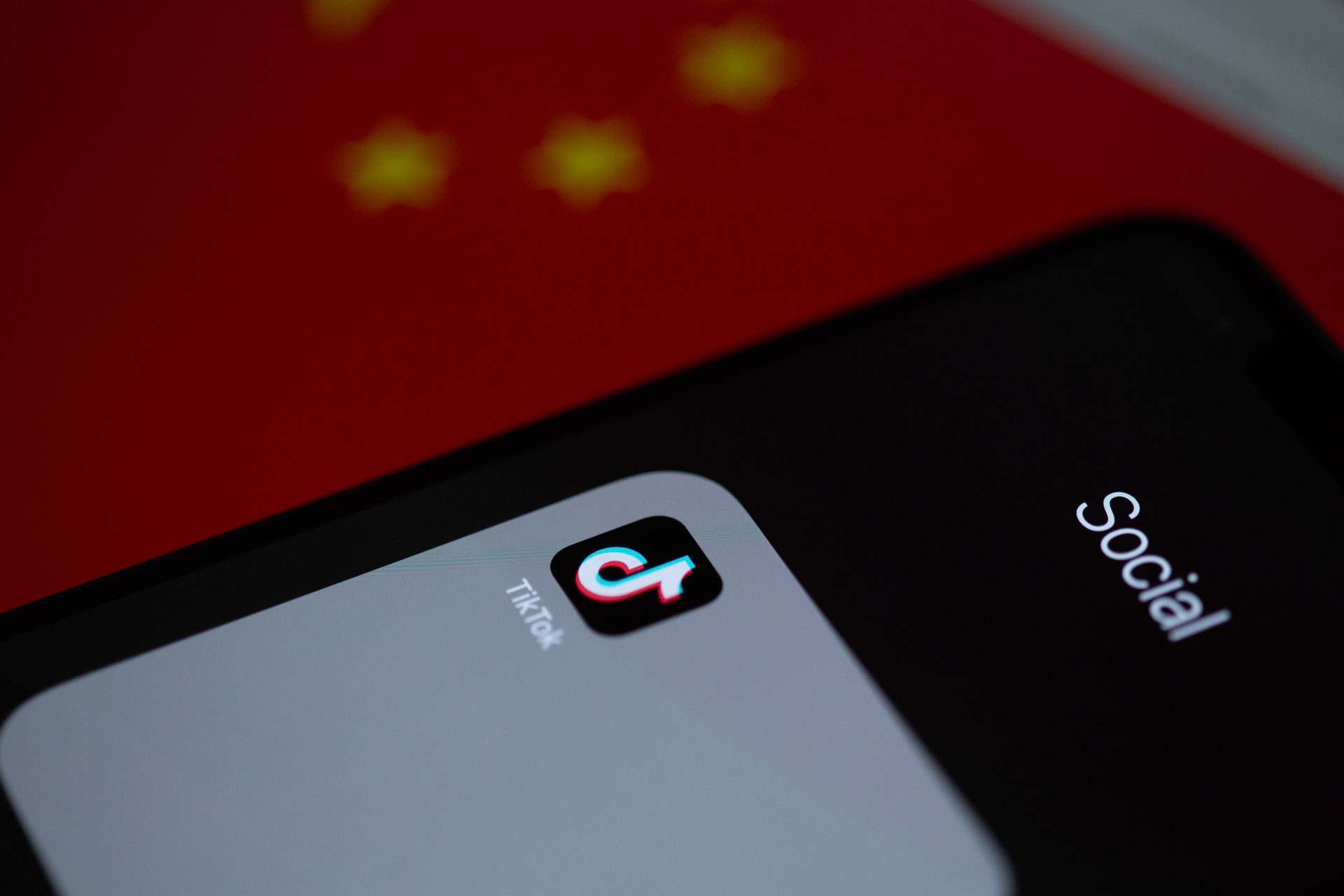
Users often save and forward the most gruesome content to their friends on a variety of social media platforms. That means that, despite being reported and removed by moderators, the images and videos live on and on. Users even troll each other by hiding a gruesome clip in the middle of a seemingly unrelated video for the GOTCHA effect. Whether your kids are on YouTube, TikTok, Instagram, Snapchat, or Facebook, they may have a difficult time avoiding gruesome content.

Why do kids troll with gruesome videos?

Reaction Formation

Kids are particularly susceptible to videos that make them feel interested, curious, and shocked. The more shocking the video, the more social cred kids get which helps them fit in, gain popularity, and seem cool and edgy.

Because processing this type of content is horrifying, kids often morph their uncomfortable feelings into humor as a way of coping. The father of psychology, Sigmund Freud, called the tendency for people to have an opposite emotional reaction than expected, reaction formation.

Modeling

Modeling is defined in psychology as a type of learning that results from watching behavior and replicating it. Kids are particularly wired for learning through modeling because it helps them grasp useful life strategies such as social cues and dealing with emotions. Seeing peers laughing at these videos or attempting to make funny reactions, makes this type of behavior seem okay and leads them to abandon their initial reaction of revulsion. As a result, the cycle of sharing gruesome videos is repeated.
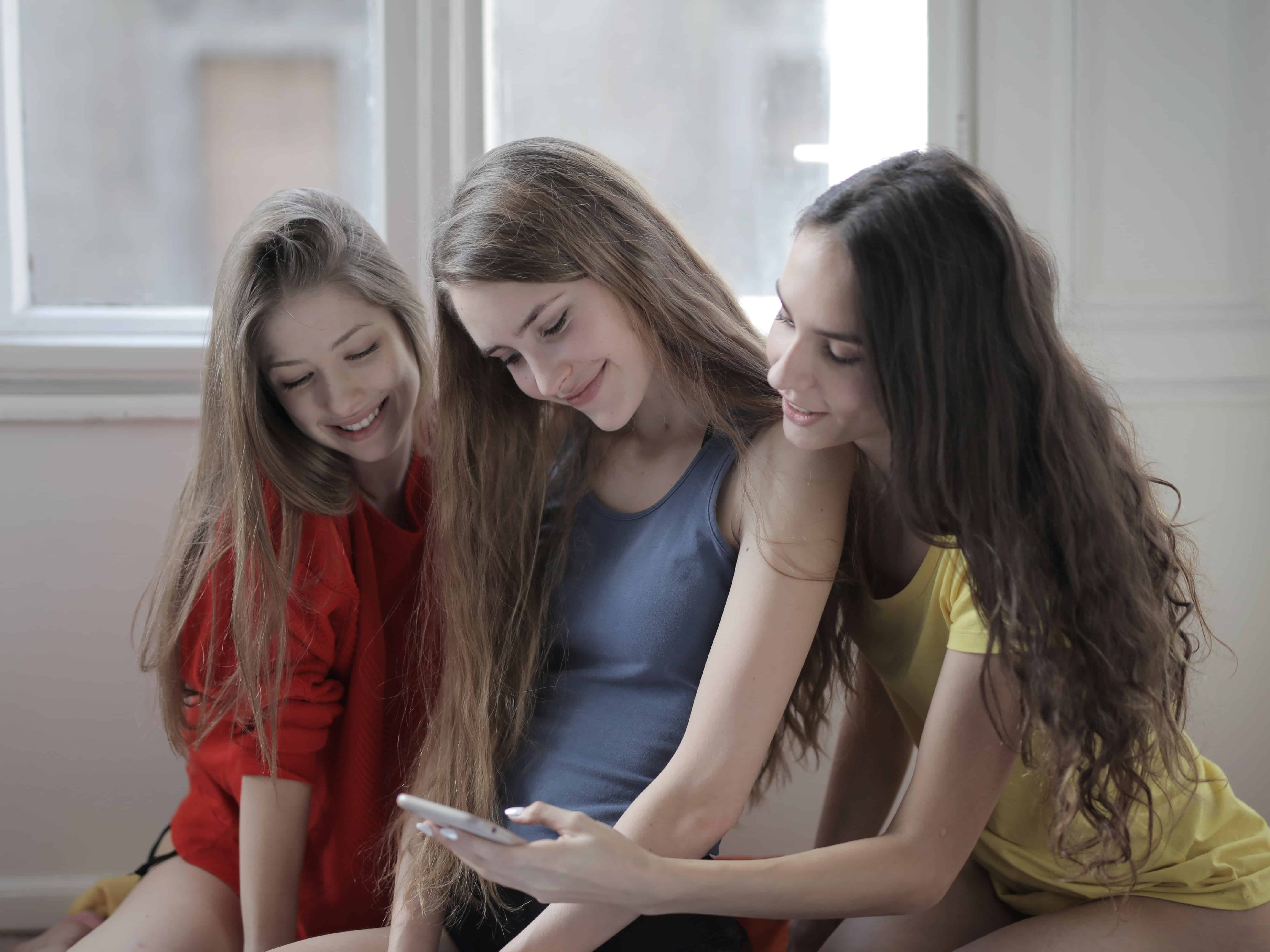
An example of this is seen in a popular response video created by Jorobe on TikTok. This video highlights a clip between a girl sharing the McNutt video with another girl. The victim gets wide-eyed, leans away from the phone, looks at the camera and then back at the girl who is showing the video, lets out a nervous chuckle, then covers her face. Her raw response shows shock, revulsion, and an uncomfortable attempt to process what she has seen. As she struggles to make sense of her distress, the other girl laughs. She then laughs in response. The transformation from revulsion to humor is, all by itself, the joke.

Most adults tend to be upset at this kind of “gotcha” humor, but kids tend to love it. Without life experience, they do not yet have the empathy skills to pull back before somebody gets hurt. Kids simply get carried away. Powerful and even stressful emotions can release the neurotransmitter, dopamine, which can be interpreted as pleasurable to immature brains.

Viewing Violence Can Cause Psychological Stress: The Impacts on the Mind and Body

Some videos may cause extreme stress and may even be traumatizing for children. In an article published in 2017 by McFadden, it is noted that the brain areas that play a role in complex thought and emotion—the prefrontal cortex and amygdala—are affected by stress. When we are exposed to a threat, our amygdala (commonly called the smoke detector in our brain) determines whether we need to go in crisis mode or problem-solving mode. If we go in crisis mode, the signal is directed to our brain stem so we can fight, flee, freeze, or fold. If we go into problem-solving mode, the signal is directed to our prefrontal cortex to calmly work the problem out.
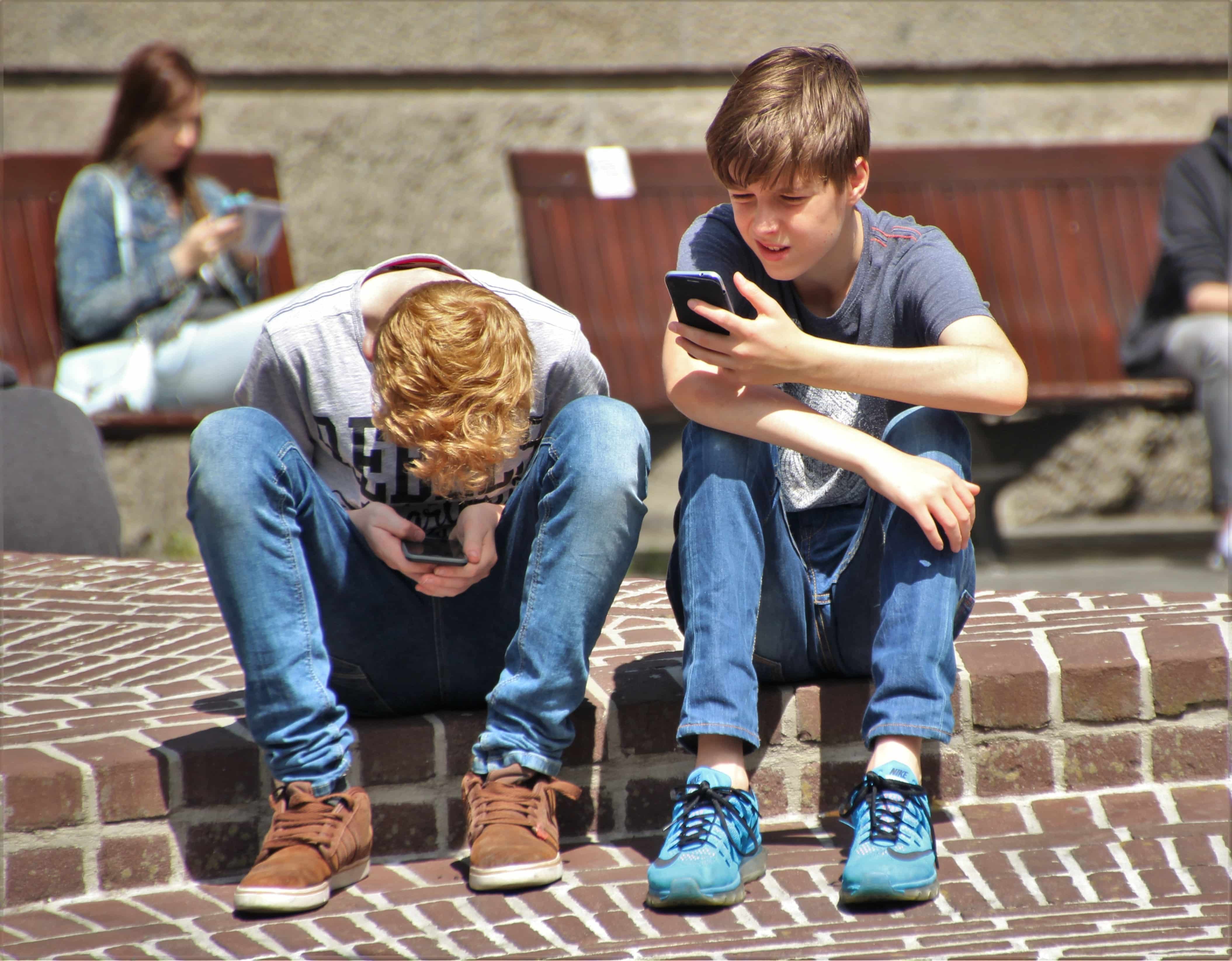
McFadden found that, with prolonged stress, the brain cells in the prefrontal cortex will begin to deteriorate, while the amygdala will begin to strengthen. This impact then affects other parts of the brain—and therefore, one’s headspace—like a domino effect.[2]

If a person is exposed to traumatic or threatening material often, the crisis pathway overdevelops and the subject panics too easily. They can also lose their problem-solving abilities when stressed.

Further, trauma memories encode in the brain differently than factual memories. Unlike factual memories where we can retrieve the information at will, trauma memories may intrusively come back into our awareness uninvited. In extreme cases, these memories can be very upsetting – like a flashback of the originally traumatizing event. Psychologists recognize these behaviors as symptoms of post-traumatic stress disorder (PTSD). PTSD is characterized by serious sleep problems, social isolation, anxiety, and mood disorders.

Desensitization

Desensitization in psychology is explained as a decline in emotional response due to repeated exposure.[3] This could be from something as simple as a joke becoming less and less funny when it is heard many times to something as serious as becoming more and more emotionally numb towards upsetting events. For example, psychological research has demonstrated that violent video games can desensitize children to violence due to frequent exposure to battery, weapons, blood, and death or murder. Similarly, exposure to videos of real-life gore and violence can cause desensitization and lack of empathy.

How to Protect Your Child

When shock videos are trending, it’s best to stay off social media apps until the trend dies down. For young children, your best resource for blocking, filtering, and management is the GKIS Screen Safety Toolkit. With this resource guide, we offer links to the best parental controls, safety centers, and third-party tools and apps to help you protect your family.

For school-age kids, tech tools are simply not enough. GKIS also offers a free digital contract called our   Family Agreement. With this powerful tool, you can set rules and regulations, teach important problem-solving skills, and discuss family values. An informed sensible parent-child alliance pays off for years to come. Our Connected Family Course complements the agreement with 10 steps for best-learning and safety.

Finally, we created a tool for tweens and teens that encourages more independence and accountability: our GKIS Social Media Readiness Course. Like driver’s training but for the internet, this course offers 10 lessons for your kid to work through with matching mastery quizzes at the end of each lesson. Not only does this course teach the risks of digital injury and how to avoid it, but it also offers Dr. Tracy Bennett’s hand-picked, outcome-based psychology wellness tools to help with resilience and mental health. We cannot keep them away from screens entirely, so it’s important that we offer them tools to avoid trauma.

Thanks to CSUCI intern, Avery Flower for researching how traumatic videos can affect childhood development and co-authoring this article.

I’m the mom psychologist who will help you GetKidsInternetSafe.

Onward to More Awesome Parenting,

Tracy S. Bennett, Ph.D.
Mom, Clinical Psychologist, CSUCI Adjunct Faculty


Photo Credits

Photo by Ryan Plomp on Unsplash

Photo by Solen Feyissa from Pixabay

Photo by Andrea Piacquadio from Pexels

Photo by Pixabay from Pexels

Works Cited

[1] Steinbuch, Y. (2020, September 08). Army veteran Ronnie McNutt commits suicide in Facebook livestream. Retrieved from https://nypost.com/2020/09/08/army-veteran-kills-himself-in-facebook-livestream/

[2] McFadden, J. (2017). Treatment of developmental stress disorder: Mind, body and brain—Analysis and pharmacology coupled. The Journal of Analytical Psychology62(5), 744–755. https://doi-org.summit.csuci.edu/10.1111/1468-5922.12361

[3] Krahé, B., Möller, I., Huesmann, L. R., Kirwil, L., Felber, J., & Berger, A. (2011). Desensitization to media violence: Links with habitual media violence exposure, aggressive cognitions, and aggressive behavior. Journal of Personality and Social Psychology100(4), 630–646. https://doi-org.summit.csuci.edu/10.1037/a0021711



Do Kids Need Driver’s Training … for the Internet?

Our Gracie got her first smartphone when she was ten years old. We wanted to wait, terrified of the creeps and porn and the rest of it. But she needed to contact us for pickup from dance, and that’s how her friends connected. Without a phone, she got left out of plans and private jokes. She was feeling more and more alone, and we worried she was depressed. We caved. We couldn’t take the begging and crying. We tried to do it smartly, starting with a phone and no social media. We read articles about risks and checked her phone regularly. We insisted she wait until she was 13-year-old for social media. We allowed only YouTube and TikTok to start. She’s loved it and quickly started feeling better. Two years later, it doesn’t seem unreasonable to allow Instagram. She’s 12 now, so it’s maybe a little early. We’ve talked to her about it a lot. She rolls her eyes, but I think she gets it. She’s smart and funny and social. We are confident she’ll be fine. At least we hope so…

And there it is, the way it happens for most families now. As a screen safety expert, mom, and psychologist, I get it. We all outsource to our phones: for memory, entertainment, navigation, design, communication. When’s the last time you memorized a phone number or planned a trip with a paper map? We are cyborgs and so are our kids. Digital fluency is part of life and a critical element to education, especially now. Screen restriction until high school may be wise, but it isn’t an option for most families. We survived running around town with our friends unsupervised.

Is screen time that big of a deal?

The short answer is . . . that it can be. Preventing screen-loving kids from wandering into a dangerous digital neighborhood isn’t always possible, especially at the beginning. We are too busy, and they are too clever for us to supervise everything they do online. Even the best tech tools have workarounds. But there is one step you cannot miss if you think they are ready for social media, teaching them judgment and accountability like we do before they are allowed to drive a car. Does driving city streets have anything in common with browsing the internets?

As a psychologist who treats digital injury (psychological harm resulting from internet use), I would argue it does. Like driving a car, browsing the internet can cause significant injury. But instead of a concussion, we see kids succumbing to anxiety, depression, and body image problems linked to cyberbullying, radicalization, and compare-and-despair.

Also like driving, kids browsing the internet can wander into any kind of digital neighborhood making friends from faraway places. Most of the places they visit are cool, with fun friends, creativity, and harmless excitement. But there are also digital neighborhoods that would horrify us. Dangerous people like predators and traffickers may be common there and so is intensely violent and explicit sexual content.

Kids who’ve learned the traffic laws from driver’s training and practiced for many hours with invested parents and trained experts are safer. They are so much safer than the government requires these prerequisites before getting a state-issued driver’s license. Doesn’t it make sense to offer the same support for screen use?

Yes, we could keep them off screens and avoid the issue altogether. Yet, also like a car, the internet offers access to learning opportunities that help us thrive. Despite the risk of accidents, we browse because we refuse to miss out on that great job, amazing discovery, and healthy social connections. Our kids feel the same way about their screen devices.

If allowed to browse with little training, more accidents seem certain. That is why my private practice is flourishing. Treatment doesn’t erase trauma; instead, it helps with coping. Once a child experiences danger on the internet, that memory never goes away. Our best options for child screen safety lie in prevention.

What can we do to help tweens and teens browse more safely with sound judgment and accountability?

We can require Internet training! Like driver’s training, our online Social Media Readiness Course offers education about digital risk as well as tools for psychological wellness.

Specifically, our GKIS subscribers get:

  • lots of verifiable facts and science-based information about online risk and screen use (no fake news),
  • expert strategies and techniques to optimize psychological health and judgment,
  • realistic exercises that illustrate typical online scenarios and help coach sensible resolutions,
  • trigger-topics to encourage smart parent-child discussions to further build a healthy alliance,
  • accountability quizzes so you know they are learning as they go, and
  • opportunity for the child to act independently and practice without parent guidance (although course access for parents who want to take it first or along with them is optimal).

I’m the mom psychologist who will help you GetKidsInternetSafe.

Onward to More Awesome Parenting,

Tracy S. Bennett, Ph.D.
Mom, Clinical Psychologist, CSUCI Adjunct Faculty
GetKidsInternetSafe.com

Photo Credits

Photo by Samuele Errico Piccarini on Unsplash

GKIS Offers Six Popular Instagram Pages Parents Can Trust

Instagram is one of the most popular social media apps among teens. It’s entertaining, easy to use, and offers different ways to create content to share with friends and family. Instagram is a great way to stay connected to others and share about your life. But besides following friends and family, there are many popular creators that can give your teens positive and inspirational content while scrolling through their Instagram feed.

What’s on Instagram

Instagram pages can either have dedicated themes or can be a mix of personal and themed content. Many popular Instagram users use their platform to keep fans updated on their personal lives and share positive and educational content. Because not all content is appropriate for kids and teens, we’re sharing seven (six plus a bonus)  positive and influential Instagram pages that are safe for teens to enjoy. Although we’ve done our best to choose from the most family-friendly popular creators, check them out and decide for yourself whether they are a good fit for your teen.

Meet Our Favorite Creators

Entertainment

In entertainment, the Instagram page zachking creates entertaining and mesmerizing videos using special effects and editing.

Zach and his team choose and edit their videos in a way that makes his actions seem magical. Whether its defying the laws of physics, conjuring celebrities, or making things disappear or multiply, Zach’s content is entertaining and leaves you wondering how he does the different tricks in his posts.

Zach King is entertaining and inspiring for those interested in learning about video editing as a skill or even a career. Zach also posts about life with his wife and two sons. He’s done many collaborations with celebrities and fellow influencers and occasionally does sponsored content, marking sponsored videos with the hashtag “ad”. Zach does not seem to use explicit language or explicit images in his videos.

Design/Organization

In design and organization, author and TV personality mariekondo (Marie Kondo) is best known for her organizational methods and lifestyle tips. Marie’s page is full of beautiful photos and videos made to inspire people to declutter their spaces.

This page can be useful for young teens to see how they can best make use of their space and easily keep organized. Plus, it can be really beautiful and satisfying to see clean, organized, and well-decorated spaces.

Marie is a firm believer that your space, as well as the things in it, should “spark joy.”After scrolling her page, you’ll feel inspired to clear out the unnecessary clutter in your life to live happier and more stress-free.

Aside from her design and organizational content, Marie shares photos from her fans on how they’ve decluttered and decorated their spaces and also posts videos about her two children. Marie does not seem to use explicit language or do sponsored content. The content she promotes is of her own products and projects.

Journalism

In writing and journalism, the Instagram page humansofny is dedicated to sharing photos and stories from New York residents. This page publishes stories and interviews from different individuals, whether it be about their current situation in life or an impactful story that helped shape who they are.

This page does a great job displaying the joys and struggles of contributing New Yorkers. It also does a good job of representing diversity in race, gender, religion, and political ideologies. For teens, this page can be a way to learn from different people’s experiences. By combining the images of the residents and their stories, this page also serves as a reminder to not judge others based on their outward appearance.

Caution: humansofny is recommended for older teens, since it talks about heavy topics like assault, addiction, abuse, etc. This page does not seem to use explicit language or do sponsored content.

Food

In nutrition and food, the Instagram page pickuplimes, run by licensed dietician and YouTuber Sadia Badiei, is a popular page full of vegan recipes. Food pictures have long been popular on Instagram. On Sadia’s page, you can find her beautiful food pictures and her easy recipes, perfect for people who want to go vegan or simply have a desire to start eating a more plant-based diet.

As plant-based food becomes trendier, this page is great for teens to get recipe ideas and get inspired to cook healthy foods to try and live a healthier lifestyle. Besides recipes, Sadia’s page contains posts about her hobbies, her partner, and positive messages towards her fans. Sadia does not seem to do sponsored content or use explicit language. She mainly promotes her YouTube channel on her page with links to her YouTube videos in her posts and bio.

Travel/Nature

In nature and travel, the official National Geographic Instagram page, natgeo, posts pictures and stories from different countries and cultures around the world.

Like food pictures, travel and nature have also been a popular form of content on Instagram. The National Geographic’s page contains beautiful photographs and descriptions of the people and places depicted, educating their followers about different traditions, environments, plants, and animals around the world. Their posts often reflect the different events and news stories happening in our world today.

This page is full of interesting stories and beautiful imagery that can inspire your teens to research different countries and cultures, maybe even sparking an interest in traveling. It can also serve simply as a way to relax and read about different people and places. This page does not seem to do sponsored content or use explicit language.

Business/Nonprofits

Lastly, in business and nonprofits, the official Instagram page for the nonprofit organization Kiva, kiva.org, promotes the work of the organization and shares the true stories of the people this charity benefits.

Kiva is an organization that gives small loans and provides aid in accessing loans to individuals and small businesses around the world. Similar to the Humans of New York Instagram page, Kiva shares stories from these individuals and small businesses, specifically about their work starting their business, and how the aid from Kiva allowed them to grow and become more successful.

This is an inspirational page that shows the impact nonprofits can make in the lives of others and how the hard work and perseverance of these individuals helped them become successful business owners. This page does not seem to use explicit language or sponsored content, the page only promotes their organization.

Bonus Instagram Page for Parents

While your teen is enjoying the content from these creators, parents can enjoy the content from our new official GKIS Instagram Page. Get updates and notifications about our newest blog posts and catch up with Dr. B and our team of GKIS interns. Our Instagram page is a great resource for parenting tips and effective ways to keep your family safe online.

Thanks to Alexandra Rosas-Ruiz for her research and help with writing this article. To learn more about Instagram and how to best protect your teen on the app, check out our GKIS Sensible Parent’s Guide to Instagram. Learn about how to access Instagram’s different privacy options, trends, language, and our tips for keeping your teen safe on the app.

I’m the mom psychologist who will help you GetKidsInternetSafe.

Onward to More Awesome Parenting,

Tracy S. Bennett, Ph.D.
Mom, Clinical Psychologist, CSUCI Adjunct Faculty
GetKidsInternetSafe.com

Photo Credits:

By energepic.com from Pexels

By Kaique Rocha from Pexels

By mcmike—2663328 from Pixabay

By Redrecords from Pexels

By THE 5TH from Pexels

By Porapak Apichodilok from Pexels

By Branimir Balogovic from Pexels

The GKIS Sensible Parent’s Guide to Instagram

Instagram is the second most popular social media app among teens, with 78% using the social media platform in 2018. Instagram has become a necessary tool to manage relationships and participate in public culture.[1] Teens love to develop their virtual identities, follow friends and popular celebrities, and keep track of popular culture. Relative to other platforms, Instagram is easy to use, encourages creative content with photo filters, and has privacy and protective report features that are easy to access. But there are danger potentials and parenting strategies you should be aware of before you give permission for this social media staple.

What is Instagram?

Instagram is a free mobile social media app that offers photo or video sharing to followers or a select group of friends. Videos range from 3 to 15 seconds. All you need to sign up is an email address and a username (a phone number is optional).

How long has it been around and how popular is it?

Instagram was created by Stanford graduates Kevin Systrom and Mike Krieger and launched in October 2010. Within two months, Instagram gained over a million users. In 2011, Apple named Instagram iPhone app of the year. In April 2012, Instagram was acquired by Facebook for a billion dollars. As of April 2019, Instagram has 500 million daily active users.[2] It is the gateway app for most young social media users.

How old is old enough for adoption?

Instagram Terms of Use state, “You must be at least 13 years old to use the Service.” I recommend sixth grade as the youngest adoption age for Instagram and only under the following conditions:

  • Require your child to create a persuasive PowerPointthat covers risks, benefits, and privacy and protection features so you both know the ins and outs of Instagram’s features. For more information about how to create and judge a persuasive PowerPoint about a social media app along with other useful screen safety strategies, check out our Connected Family Online Course.
  • Add it to your free GKIS Connected Family Agreement as an “OK” or a “not yet,” so parameters, rules and regulations, and etiquette issues are understood. (If you haven’t downloaded it yet, enter your name and email on our GetKidsInternetSafe home page and it will be emailed immediately.)
  • Require the account to be set to private and you agree on the number and nature of followers and frequency of posting.
  • Ensure you are friended and you have their username and password for backside control.

Instagram Basics

Instagram’s big appeal is its image-based simplicity. Here are its regularly used features:

  • Stories (like Snapchat) that allow the user to post a collection of photos or videos to their profile. The story lasts 24 hours then disappears.
  • Your personal photo & video collection profile with captions that others can love, comment, and share.
  • Photo filters that offer limited editings, like color and hue.
  • Option to tag and @mention others or your post.
  • Links to other social media platforms including Facebook, Twitter, and Tumblr.
  • The ability to search and explore public profiles and follow favorites, like celebrity profiles.
  • Instagram offers suggestions of videos and posts you might like as well as potential FB contacts to follow.

What are Instagram’s popular features? 

  • Direct Messenger allows users to start a conversation with friends.
    • Send messages, photos, videos, and posts. You can even video chat with up to 6 friends.
  • Watch long-form videos where users can create and watch videos that are not limited to one minute.
    • Similar to Stories or photos and videos you see in your Feed, you can like, comment, or share IGTV videos with friends.
  • Shop as You Scroll allows users to find products in your Feed and Stories that you’re curious about.
    • Tap the Product Tag to see the price, item name, and even have the ability to buy it directly from Instagram. There is also a save ion that will automatically add the item to your private Shopping Collection.
  • Search & Explore offers fresh content based on people you follow and posts you like.
    • Refresh the Explore page to see a new set of photos and videos, all created based on your interests.
  • Close Friendsallows for private messaging and posting to occur on Instagram, similar to private stories on Snapchat.
    • Start at the main page of Instagram, press the top-right icon of three bars, choose which followers you’d like to add to your list, and press Done.

What is included in the personal profile?

  • Number of posts, followers, and following
  • Username (can be a nickname)
  • Bio (like a website and other social media contact info here like Kik messenger, Skype, Facebook)
  • Your collection of photos and videos with the date posted, likes, and comments
  • Tagged photos and videos of you
  • Photos and videos you save

What are the privacy options?

Profiles are set to public by default. To change this, follow these steps:

                  • Go to the settings icon, select the Privacy icon, and under Account Privacy turn the Private Account toggle on to require the approval of follow requests. If your profile is private, posts will not appear on the EXPLORE tab and only followers can see your posts.

Teens typically create more than one account for improved privacy options. Instagram allows you to simply toggle between the two. I require my teens to keep even their main profile on “private.” But they also generate a second account, offered referred to as a “Finsta” (a spam Instagram account) where they only friend their closest friends. Be aware that the posts on the finsta accounts are where the most questionable content is posted. Don’t forget to spot-check those from your child’s phone directly. You can’t just assume you’ll see everything they are up to on your feed.

Be aware that if your child posts other contact information on their profile (like Skype or Kik usernames), the public can view that and reach out to them even if their post is set to “private.” Another tricky workaround that people aren’t usually aware of is that if you SHARE your Instagram post on another social media platform like Twitter, your Twitter followers can click on the link and see your private post.

What Instagram trends and slang should I know about?

Clickbait: The practice of using a provocative title with the sole purpose of driving clicks.

Finsta: “Fake Instagram account.” Followed by a close circle of friends where teens post their casual, authentic side, where they can let their guard down a bit, act silly and not edit out every blemish.

 #influencer: Instagram is becoming a huge platform for brands to publicize their company. 48.8% of brands use Instagram for promotional purposes. They pay people who are “Instagram famous” to show these brands on their profiles.

Rinsta: “Real Instagram account.” Usually accessible by a wider audience for teens polished and idealized selves.

Slide into someone’s DMs: The practice of randomly sending a DM to someone.

Throwing shade: The act of publicly denouncing or disrespecting someone. Often used in reference to sarcastic remarks against someone or something.

VSCO: The term originally referred to an app used for simple photo edits. It is now commonly used to make fun of girls who use the app.[3]

What are the risks for use?

Cyberbully potential:

  • Bullies posting unflattering or humiliating tagged or @mentioned photos and videos (@drtracybennett is a loser).
  • Cruel comments or hashtags (#annoying).
  • Fake accounts and impersonation.
  • Influencers making certain activities or expensive clothes/makeup seem normal.

Tracking potential:

  • Users can include contact information on comments or in their bio. Although posts are set to private, anyone can see your profile photo, username, and bio.
  • Photos and videos may be geotagged so the location can be tracked. For safety, turn off this feature on your device by turning off the “location” option for “camera.” To prevent Instagram from capturing your location on the iPhone, go to the phone’s settings, tap Instagram, select Location, and choose the “Never” option.

Attention-seeking potential:

  • Users often try to attract large numbers of followers with poor posting or comment choices.
  • There are numerous other apps that are affiliated with Instagram and they give the option to buy likes for your posts and even buy more followers.

Inappropriate content potential:

  • Sexualized, cutting, violent, politicized, and eating disorder images and inappropriate memes are commonplace and easily found when viewing photos and videos from the Explore tab.

Ability to send and receive instant messages, photos, or videos directly:

  • If your child’s profile is public anyone, including Instagram users your child does not follow, can send them messages, photos, or videos directly. If your child’s account is private, then the messages will be sent to their “message requests” instead of directly to their inbox. From there, you or your child can proceed to decline or accept the message. If one ignores the request folder, the sent item will disappear after two weeks.

What are the protection features?

By setting your profile to private, only followers can see your posts and stories. (There is an option to let anyone see your Stories, followers or not, make sure this setting is turned off). However, keep in mind that ANYONE can see your profile information (profile image, username, and bio), even non-followers.

If you come across an inappropriate photo (or you are tagged inappropriately), go to your profile page, select the three-line icon located at the top right corner above “Edit Profile”, select “Settings”, and “Report a Problem” in the Help area. From there Instagram offers many categories for the report with specific instructions.

  • Spam or Abuse
  • Something Isn’t Working
  • General Feedback
  • Image or Video Quality Issue
  • After the Block or Report is completed, that person cannot search for you or view your photos. However,  mutual followers can still see your likes and comments on other people’s pictures. Blocked users can also still @mention you. You will receive a notification that they mentioned you but it will not show you the comment they made unless you unblock them. You must change your username to avoid mentions.
  • If an unwanted comment on your page appears, simply swipe on it and select the “!” icon to report Spam or Scam or Abusive Content or simply trash it.
  • Instagram’s help center page also encourages social media awareness by providing “Tips for Parents” and “A Parent’s Guide to Instagram.”

Instagram Safety Ideas

Make the account private.

Block problem users.

Report problematic posts.

Manage comments.

Review your profile often and delete old or questionable photos.

Finesse your posts to favorably reflect positive activities, experiences, and character traits (like a digital resume).

Track your time.

Parents – check for extra accounts and other social media follow requests.

Social media can be really fun, but it has its risks. If you think your child is ready for an Instagram account or if they are on it and you want to optimize safety and resilience, YOU WILL LOVE OUR GKIS Social Media Readiness Training Course. It covers social media risks to digital injury and teaches tweens and teens the psychological wellness tools they need to thrive!

Thanks to Isabel Campos for her research and help with writing this article.

I’m the mom psychologist who will help you GetKidsInternetSafe.

Onward to More Awesome Parenting,
Tracy S. Bennett, Ph.D.
Mom, Clinical Psychologist, CSUCI Adjunct Faculty
GetKidsInternetSafe.com

Photo Credit

Photo by NeONBRAND on Unsplash

Work Cited

[1](Boyd, 2014)
[2](West, 2019)
[3](Zote, 2019)

Are We All Prone to Addictions?

It’s easy to think that only people who make a series of bad choices become addicts. After all, hard work in recovery seems to switch things around for even the most hardcore addict. But brain research is uncovering processes that demonstrate the same areas in the brain for drug addiction are activated when using social media and other addictive behaviors. For some, genetic inheritance makes them particularly susceptible. Psychological research is also showing the environment plays a big role in sustaining addictive behaviors. Further, using an addictive substance can change your brain wiring immediately. With each use, that change becomes even more pronounced. That means that one momentary lapse of decision-making alters the way you experience reward and punishment. That is why experts say addiction is a disease rather than a moral failing. Once bitten, the addictive drug or behavior behaves more like a disease process. Overcoming the symptoms becomes far more difficult than a simple choice. In today’s article find out the brain processes behind addiction to understand how we are all susceptible. Then I explain the importance the environment plays on addictive behaviors and theories from the father of positive psychology, Martin Seligman. After reading the article, you will know the secret inoculation to online addictions…and it’s not what you’d expect.

What is a behavioral addiction?

Behavioral addictions involve behaviors like gambling, video gaming, shopping, exercise, food, and internet and social media use. “Our brains are made to respond to rewards, which then motivates our actions. Rewards are a brilliant solution to ensure we will do behaviors that are indispensable for the individual and the species.”[1]

For our ancestors, finding foods that tasted sweet meant the food was safe to eat and triggered a rewarding, pleasurable feeling. Once rewarded, we encode a pleasant experience to memory. Now the memory is pleasurable even when the food is nowhere around. In our modern on-demand society, we are surrounded by virtual rewards on our screens, including data about the steps we walk, the calories we eat, and the likes on social media.[2]

Dopamine’s role in reward and punishment has helped us survive.

The neurotransmitter, dopamine, is a primary factor behind reward and punishment. This chemical is released in our brains when we encounter an uncomfortable stimulus, like being chased by a bear, or pleasurable stimulus, like finding berries in the wilderness. Once stimulated, we remember that information for future use. Evolutionarily speaking, these actions helped us identify edible foods, select the right partners, and avoid predators.

Dopamine is also involved in other critical functions, including movement, memory, attention, motivation, arousal, and sleep regulation.[3] Not only is dopamine released when we experience pleasure, but neuroscientists have also found that simply anticipating a reward causes dopamine release. In some circumstances, almost getting the reward is even more reinforcing than actually experiencing the reward. For example, we may be rewarded for posting on social media just by anticipating the “likes” we may receive. Another example was recognized by Netflix producers. They discovered that watching a series cliffhangers is just as satisfying to customers as watching the problem being solved during the following episode.[4]

With periodic dopamine stimulation from experiencing reward, anticipating a reward, and remembering reward, the stage is set to develop behavioral addictions.

The conditioned response of dopamine release makes leaving a rewarding task harder to do. So we seek it, keep on doing it, and miss it when we don’t have it.

How does our evolutionary-based brain wiring lead to behavioral addiction?

In a study conducted at the National Institute on Drug Abuse, Dr. Volkow found behavioral and substance addicted individuals showed a reduction in dopamine D2 receptors. These receptors regulate the frontal part of our brain that allows us to exert self-control. With repeated and frequent administrations of dopamine, the brain progressively loses these D2 receptors.[5] With the desensitization due to lost receptors, we experience a “ludic loop,” a kind of hypnotic state that occurs when we are hooked in doing something with no real reward. Being in a ludic loop is like being trapped in an empty state of limbo, which is characteristic of addictive behavior.[6] The first high sets the trap, and from then on you are simply going through the motions unable to get out.

Furthermore, these brain patterns tap into the oldest parts of our reptilian brain as well as the newer cerebral cortex that surrounds it. With addiction highjacking the emotional seat of our brain (the limbic system) and our control center (the prefrontal region), we lock into reward pursuit and avoid actions that are less likely to bring a reward.[7] Our wiring is built to lock us into these patterns based on evolutionary principles.

Our environment also makes a difference.

A classic 1950s experiment that illustrates addiction involves rats pushing a lever for water or water laced with cocaine. Rats will choose water laced with cocaine over all other stimuli, resulting in a dead rat. But in the 1970s, a psychologist named Bruce Alexander noticed that these experiments were always done in empty cages. Nothing in the rat’s environment was meaningful but the drug. He wondered if this was because of the appeal of drug or could it be because of the environment they were in?

He tested his theory by building “rat parks,” where the rats had everything that makes a rat’s life worth living. They were equipped with exercise wheels, colored balls, and other rats to socialize and mate with. Then he set up the two kinds of waters. The researcher found that when the experiment was administered in “rat park”, the rats had stopped preferring the water with the drug in it. He took this outcome as an illustration that a meaningful environment can influence the pursuit of addictive behaviors. “The opposite of addiction is not sobriety, it is a sense of meaning and connection with others.”[8]

The brain hacks baked into screen technology and how they are impacting us.

In the digital age, we have multiple real-life and virtual identities where cookies mean very different things. We are motivated by online rewards just as we are offline. Programmers and developers have found ways to continually bombard us with new types of rewards like “likes” on social media and “kills” in video games. The first time these activities brought us pleasure, a path was forged for compulsive reward-seeking online.

It’s not unhealthy to seek pleasure that has meaning and brings you happiness, the problem is that the resulting addictive behaviors rarely provide us with meaning. The passion fades to a dull pursuit of something less than we felt initially. It’s the classic chasing of that first high.

To reverse that process, some must detox from that behavior and cultivate an environment rich in meaning so we do not return to the addictive cycle. Instead of a sterile room with one lever that delivers digital cocaine, we must invest in a room rich with opportunity for creativity, socialization, good food, exercise, rejuvenating sleep, productivity, and play.

Three Paths to Happiness

Dr. Martin Seligman, the father of Positive Psychology, studies resilience. He believes there are three paths for the pursuit of happiness, the pleasant life, the good life, and the meaningful life. To inoculate oneself from addiction, one must have a good or meaningful life characterized by personal meaning.

The Pleasant Life

Dr. Seligman describes the pleasant life as the pursuit of pleasurable things. This life revolves around the “ludic loops” of social media likes, endless dating, partying, and learning the skills to amplify them. This life is “not very modifiable.” It makes one vulnerable to routine, addictions, and obsession.

Online, people are extrinsically rewarded through the “likes” of other people and “views” they obtained in their profiles, continuing the habit even after knowing they no longer want to.[9] The person becomes unable to reliably predict when the behavior will occur, how long it will go on, and when it will stop. The problem with the life of pleasure is that it’s hedonistic and lacks meaningfulness.

The Good Life

Dr. Seligman describes the good life with having an “engagement to one’s work, where the individual may be so involved in his craft, that time stops for him,” a harmonious passion where the individual works to strive without the need of feeling obligated or forced. [10]  There are no positive emotions, instead it is characterized by flow, a concept first identified by Mihaly Csikszentmihalyi in 1990.

Flow is a mental state of intense concentration where the individual is incredibly focused on an enjoyable activity. They are, “in the zone.” This idea has been around for thousands of years and was predominate in eastern cultures. Flow is distinct from pleasure because, during flow, you can’t feel anything.

The Meaningful Life

Dr. Seligman explains the meaningful life as when an individual knows their highest strengths and use them to belong to and be of the service to something larger than themselves.[13] This is important because it provides an individual meaning in life through helping others and having a positive effect in the world, something a life of pleasure cannot provide.

We can’t rely on technology to give us meaning.

Technology is great for instant gratification when we need it. It’s not only the screen itself that is so addictive but the content that is accessible on it. We use technology when we have a psychological need when we feel confused about what to do next, or when we feel we have no effect on the world. Adam Atler describes how these are the moments when we’re most prone to developing behavioral addictions. He analogizes technology as being an “adult pacifier. It soothes and calms our minds by delivering small hits of bottomless entertainment and information.”[14] It characterizes a pleasurable life.

Of course, screens and technology are not all bad. They enable us to be connected with our loved ones and offer apps for health, reading, exercise, meditation, the weather, and education. Technology isn’t the source of meaning, rather it is a bridge to the tasks that bring us meaning, the tasks that allow us to develop a skill and have a positive effect on the world.

Are you using tech as a bridge to a meaningful life, or are you still stuck in the pursuit of pleasure?

Thanks to Andrew Weissmann for writing this important GKIS article.

I’m the mom psychologist who will help you GetKidsInternetSafe.

Onward to More Awesome Parenting

Tracy S. Bennett, Ph.D.
Mom, Clinical Psychologist, CSUCI Adjunct Faculty
GetKidsInternetSafe.com

Works Cited

[1] Why we get addicted? TEDMED By: Nora Volkow

[2] Irresistible By: Adam Atler

[3] 2-min. Neuroscience: Dopamine By Neuroscientifically Challenged

[4] Irresistible By: Adam Atler

[5] ncbi.nlm.nih.gov Imaging the Addicted Human Brain by J.S. Fowler, N.D. Volkow, C.A. Kassed, L. Chang

[6] Medium.com By Matilda Zhang

[7] 2-min Neuroscience: Nucleus Accumbens by Neuroscientifically Challenged

[8] Ted Talk Everything you think you know about addiction is wrong by Johann Hari

[9] Science Saturday Why do We Get Addicted?

[10] Ted The new era of Positive Psychology By Martin Seligman

[11] Ted The new era of Positive Psychology By Martin Seligman

[12] Ted The new era of Positive Psychology By Martin Seligman

[13] Ted The new era of Positive Psychology By Martin Seligman

[14] Big Think Digital Addiction: How Half the Developed World Got Hooked on the Internet By Adam Atler

Photo Credits

  1. unsplash by jeshoots.com
  2. flickr by Lucy Finle
  3. flickr by Dr. Jonathan B. Lauter
  4. flickr by NIH Image Gallery
  5. flickr by Kristin Gao
  6. flickr by Mike Licht
  7. Chris Weissmann by Zach Haggy
  8. burst.shopify.com by Nicole De Khors

Harvard Revoked Acceptance Because of Stupid Social Media Post Memes

“First impressions are everything.” This once referred to tone, dress, and personality. Now, it also refers to your social media page. Teens rack up an average of 6 hours per day of social mediag.[1] They not only browse endlessly, but many also post impulsively. With immature prefrontal brain development, kids and teens are unable to anticipate consequences. Plus, the internet culture is vulgar, shocking, and celebrates pushing moral limits. Using profanity, sub-tweeting and cyberbullying are common. Using principles from Dr. Bennett’s book, Screen Time in the Mean Time: A Parenting Guide to Get Kids and Teens Internet Safe, this article covers how to best guide your teen through the social media dilemmas of cyberspace.

Social media is the perfect place to “out” your enemies.

My friend “Catherine” used to expose her ex-boyfriends on Facebook. Once she posted, “He says he’s over me, but he just came to my house and cried.” Often, she’d think twice and delete her post. Other times, her ex-boyfriends posted angry responses outing her bad behavior back.

My friend “Robert” also shared a personal story. This is one about Myspace going wrong. When he was in the eighth grade, his high school sophomore girlfriend sent him sexy selfies. Robert showed his friends the photos. Although he refused to text them directly, a friend hacked his phone and sent himself the photos. Within a few days, the girl’s family and the police were at Robert’s door. Her photos had been posted on Myspace. Although Robert did not directly post her photos, he was held responsible because they were initially on his phone.

Online Behavior Matters

We love our podcasts at GKIS. In one of our favorites called Hidden Brain. The “You Can’t Hit Unsend” episode tells the story of William, whose social media posts destroyed a golden opportunity with Harvard.[2]

William was a brilliant high school senior from Pennsylvania. He was a great student who played competitive golf and performed for the local symphony. Although he didn’t believe he was “Harvard material,” he applied anyway. He was accepted through the early admission process and was overcome with joy. In the excitement of his acceptance, Will quickly joined an online group chat to meet other incoming freshmen.

One chatroom that focused on sharing memes was particularly funny. As the chatroom friends grew closer, they exchanged increasingly “edgier” memes, riding the fence between funny and offensive. To be added to the subgroup chat, at least one edgy meme had to be shared in the main group chat. As time passed, the memes increased in explicitness, oftentimes referring to outrageous, violent, and sexual topics. Will states that members of the chat knew that their meme was good based on how many likes and fire emojis members commented afterward.

The admissions department at Harvard University learned of the private chatroom and investigated. Harvard withdrew admission offers from ten prospective students because of their participation.

Will shared that he will always remember the last sentence of the email, “Harvard can withdraw admission under various conditions, including if you engage or have engaged in behavior that brings into question your honesty, maturity, or moral character.” Now he recognizes how adults would be offended and regrets his posts. He apologized, “It is far too easy to act out of character behind a screen in a fast-paced setting and to say things I would never say or even think of in my everyday life.”

The Harvard student newspaper later published the story. Soon after, the story was everywhere, including CNN and Fox News. Will and his family were devastated.

He waited a year and applied to other schools, only to be rejected by all ivy league universities. Will’s voice broke with emotion as he spoke of the experience. Fortunately, his emotional honesty appealed to a physics department chair at a school he was waitlisted at, and he was ultimately granted admission.

College Recruiters and Managers Search Applicants Online

Social media posts can make or break a teen’s future. The relationship between your digital footprint and personality is about as constant as the relationship between personality and behavior, also known as “the personality coefficient.[3] That means that your behavior on your social media profile is a reliable source of information about your personality.[4]

Many college admission officers and employers use online data to investigate prospective students or employees. While the internet is fun and creates a space for creativity and connection, adolescents can make dire mistakes online just as they do offline. Instead of those mistakes happening in front of a few close friends and family, they can be blasted out to millions. Social media profiles produce large amounts of user-generated data that may be used and sold in ways we cannot anticipate.[5]

As social media evolves, parenting tactics must evolve as well. That means educating yourself about the risks of posting and challenging your kids to explore online risk with ongoing empowering dialogue.

Here are a few ways you can prep them today:

  • Use our free GKIS Connected Family Screen Agreement to set parameters and create a screen-friendly, cooperative dialogue.
  • Engage in fun co-viewing, both with passive screen use (TV) and interactive screen use (browsing the internet). Fun projects may include researching a particular topic using various learning formats (articles, videos, images).
  • Find food recipes and cook a meal together.
  • Co-create a movie – complete with music, still-image slides, videos, and graphics.[6]
  • Work together to purposely stylize your family’s cyber footprint. Ensure that that footprint will work for you rather than against you.
  • Act as a role model on social media and encourage responsible posting.
  • Block, filter, and track online behavior using the tools offered in our GKIS Screen Safety Toolkit.

Internet sites can collect and analyze large quantities of data from everyday devices.[7] This information provides more opportunities to use data in deceitful ways. With helpful GKIS tools, you can best prepare yourself and your teens.

Thanks to Isabel Campos for her research and help with writing this article. Interested in learning more about current cyberspace news? Signup for weekly GKIS articles by entering your name and email address at GetKidsInternetSafe.com!

I’m the mom psychologist who will help you GetKidsInternetSafe.

Onward to More Awesome Parenting

Tracy S. Bennett, Ph.D.
Mom, Clinical Psychologist, CSUCI Adjunct Faculty
GetKidsInternetSafe.com

Photo Credits

Photo by Pixabayon Pexels
Photo by Brett Sayles from Pexels
Photo by Nathan Dumlao on Unsplash
Photo by picjumbo.com from Pexels

Works Cited

[1](Granet 2016)
[2](Hidden Brain, 2019)
[3](Meyer, Finn, Eyde, Kay, Moreland, Dies, Reed, 2001)
[4](Meyer, Finn, Eyde, Kay, Moreland, Dies, Reed, 2001)
[5](Azucar, Marengo, & Settanni, 2018)
[6](Bennett, 2019)
[7](Granet 2016)