Need peaceful screen time negotiations?

Get your FREE GKIS Connected Family Screen Agreement

gaming addiction

Virtual Reality Distorts Reality: An Increase in Dissociation

Virtual reality (VR) has become increasingly popular in the gaming community. VR allows consumers to experience new environments and activities that push the boundaries of creativity and possibility. Although VR offers excitement, studies have shown that the extended use of VR can lead to an uncomfortable mental health symptom called dissociation. Find out about VR-induced dissociation and the pros and cons of VR in today’s GKIS article. If you are worried about your kids’ extended use of VR gaming, our GKIS Screen Safety Essentials for the family offers weekly videos and downloads so you can achieve a peaceful fun home with healthy screen time. With 26 quick, fun lessons, our Essentials Course offers tons of ideas to keep you connected and safe. Keep reading to learn how to maintain your kids’ safety while giving them access to virtual fun.

What is virtual reality?

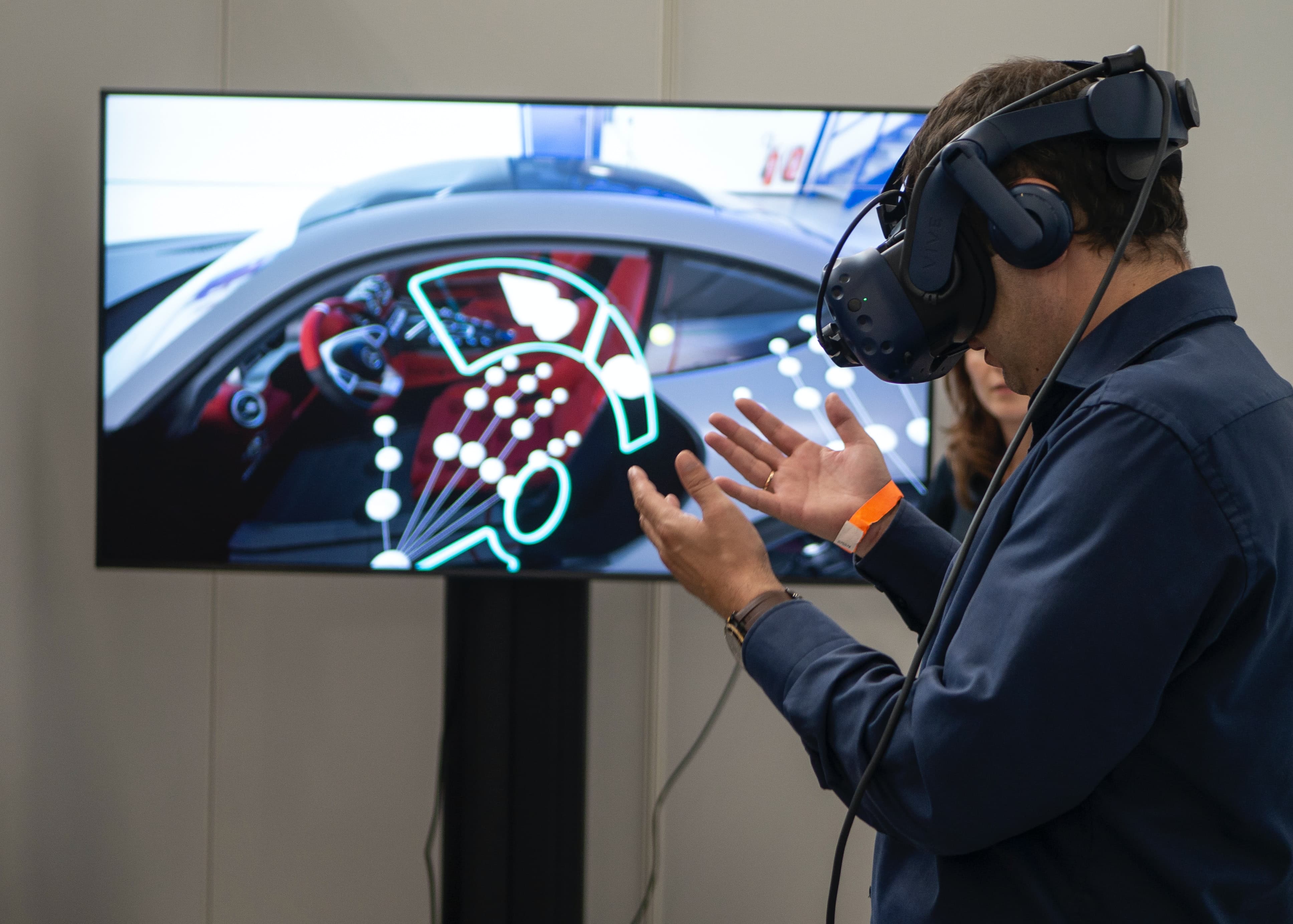
Virtual reality is gaming technology that simulates real or fantasy worlds that the players can immerse themselves into for a variety of activities. Immersion into the 3D VR world is possible by stimulating many senses all at once like vision, hearing, and touching.[1]

The Pros and Cons of VR Use

Pros

It’s fun and therapeutic!

VR can be really fun and exciting. It can serve as a mental break or escape from day-to-day routines and is a great way to connect with friends and meet new people with similar interests.

Access to new worlds and experiences can also be beneficial for those suffering from physical disabilities because they can experience activities that they cannot in the real world.

People with neurodevelopmental disabilities, like autism, can also benefit from VR. For example, an individual may use VR to learn how to better socialize in an environment where mistakes won’t lead to risks like in the real world. For example, as a behavioral intervention that works to help kids with autism, one of my patients has a goal of learning how to cross the street. Practicing in real life can be nerve-wracking and even dangerous due to the possibility of being hit by a car if my patient runs into the street from overstimulation. By practicing VR, he can eliminate risk as he learns to master this new skill.[2,3]

Work Training

VR also has potential benefits in the professional worl d as a safe way for training in many fields of work. For example, during the COVID19 pandemic, health care workers could interact with patients in VR without being exposed to the virus. VR has also allowed students and professionals to perfect skills and procedures before risking with real patients, like practicing a surgical technique for example.[4]
Cons

Feelings of Withdrawal and Disappointment with the Real World

For some people, what goes up must come down. Many players report feelings of sadness after play and a growing disappointment with real-life experiences. Tobias Schneider, a user of VR described feeling detached from the real world because it lacks the ‘magic’ and excitement VR has to offer. As an oculus user (a VR gaming system) myself, I recently went to their online forum and found that many users reported these feelings.[5]

Dissociation

Studies and forums have shown that VR has the potential risk of dissociation such as derealization and depersonalization. Derealization is this mental state where a person will feel so detached from their surroundings including people and objects, that the world will feel unreal. Depersonalization is this feeling that you are floating outside yourself. These types of dissociation occur for a variety of reasons, most typical in response to panic attacks and generalized anxiety. Theorists have described these symptoms as a defense that our bodies mobilize to protect us from stress. Other conditions that can cause dissociation include sensory deprivation, trauma, seizure disorders, dementia, and the use of hallucinogens or marijuana. Some people are even genetically prone to demonstrating this psychological symptom. Once a person dissociates once, they are more likely to dissociate again.

Although most people who dissociate describe it as a passing feeling, once one dissociates once they are more likely to do it again. For a minority of people, dissociation can occur often out of the blue in a condition called Depersonalization/Derealization Disorder.

A 2006 study examined the effects of VR use and found that for some players, episodes of dissociation increase after VR use. Even a gamer developer describes a time when they had to touch things around their surroundings after finishing a VR demo just to erase any lingering skepticism from her brain. If you look at the oculus forum, you will read many users complaining that their hands don’t feel like their own even after taking off the VR headset.[6,7,8,9]

Tips To Avoid the Negative Effects Of VR

  • Read your VR system’s instruction manual and safety warnings.
  • Start off with baby steps and play at a comfortable level that is not overwhelming.
  • Take frequent breaks when using VR.

When To Seek Professional Help

Having feelings of depersonalization or derealization that occasionally pass is common and should not necessarily cause alarm. But if these feelings of depersonalization or derealization become persistent and severe, this can be a sign of a physical or mental health disorder. You should seek immediate help from a doctor if these feelings are:

  • disturbing you or becoming disruptive to your emotional well-being,
  • become persistent and seem to never go away or improve, or
  • interfere with personal relationships, work, or other daily activities.

GKIS Resources That Can Help You Build Healthy Relationships with The VR World

GKIS Screen Safety Essentials Course

Want a peaceful, fun home with healthy screen time, but don’t want to spend on something that won’t work for? Check out our GKIS Screen Safety Essentials Course. We have a free two-week trial so you can determine if it’s the right resource for you before you spend a penny. Plus, it includes videos and downloads from all GKIS parent courses that are designed for weekly viewing, making the material digestible and easy.

GKIS Social Media Readiness training for teens & tweens

If you are not sure your child is ready to experience the online world check out our GKIS Social Media Readiness training. This self-paced course will get your kids ready for VR or anything in the online world. It includes mastery quizzes after each lesson to ensure they are prepared for online fun while maintaining safety. Guaranteed to make happy teens and relieved parents.

GKIS Online Safety Red Flags for Parents

Digital injury is real, and many users run to forums when trying to understand the negative feelings they experience from the overuse of technology. With our GKIS Online Safety Red Flags For Parents, parents will learn which behavioral red flags to look out for that may signal that their kid is suffering from digital injury.

Virtual reality is a hot topic. You can also check out our other GKIS articles to learn more about the benefits and risks VR has to offer:

Virtual Reality to Treat Phobias

“Metaverse” VR App Allows Sexual Exploitation of Minors

Thanks to CSUCI intern Ashley Salazar for researching and co-authoring this article. Prevent digital injury after VR use and check out our GKIS resources. They will help you launch a fun screen-safety dialogue. If you or a loved one is suffering from severe and persistent dissociation, please contact your health insurance provider and see a doctor.

I’m the mom psychologist who will help you GetKidsInternetSafe.

Onward to More Awesome Parenting,

Tracy S. Bennett, Ph.D.
Mom, Clinical Psychologist, CSUCI Adjunct Faculty
GetKidsInternetSafe.com

Works Cited

[1] Bardi, J. (2019) What Is Virtual Reality: Definitions, Devices, and Examples.

3D Cloud Marxent. https://www.marxentlabs.com/what-is-virtual-reality/

[2] Arrango, B. (2022) Pros and Cons of Virtual Reality. Filmora.Pros and Cons of Virtual Reality[2021] (wondershare.com)

[3] Mileva, G. (2022) 7 Benefits of AR and VR For People With Disability. AR

Post. 7 Benefits Of AR And VR For People With Disability| ARPost

[4]Dannewitz, M. (2020) Virtual Reality: A Valuable Tool for Health Care Training. Motive.ioVirtual Reality: A Valuable Toolfor Healthcare Training Motive.io

[5] Searles, R. (2016) Virtual Reality Can Leave You With an Existential Hangover. The Atlantic.https://www.theatlantic.com/technology/archive/2016/12/post-vr-sadness/511232/

[6] Forrester, J. (2020) Oculus Community: Forums. https://forums.oculusvr.com/t5/General/Feels-like-I-m-in-VR-even-though-I-am-not/td-p/839398

[7] Kiefaber, D. (2017). Using Virtual Reality Could Lead to Feelings of Detachment, Sadness. Inside Hook. https://www.insidehook.com/article/health-and-fitness/virtual-reality-leads-feelings-detachment-sadness

[8] Cleveland Clinic. (2020) Depersonalization/Derealization Disorder. Cleveland Clinic. https://my.clevelandclinic.org/health/diseases/9791-depersonalizationderealization-disorder

[9] Mayo Clinic. (n.d.) Depersonalization-derealization disorder. https://www.mayoclinic.org/diseases-conditions/depersonalization-derealization-disorder/symptoms-causes/syc-20352911

Photo Credits

Photo by Pham, Minh. (https://unsplash.com/photos/HI6gy-p-WBI)

Photo by Expo, Xr. (https://unsplash.com/photos/ipDhOQ5gtEk)
What You Need To Know About Indie Games

Like movies, video games have contributed to a massive and diverse industry. The video game market place Steam has over thirty-thousand games available for sale and only 47% of developers sell their games using steam. This article will teach you what you need to know about the diversity in the gaming market, the games that came out of home projects, and what you need to know for you young gamers. Here at GKIS we care about the internet safety of your young gamers and we want to protect them from digital injuries. Check out the GKIS Social Media Readiness Course to prepare your tweens and teens for the dangers they will face while playing games and interacting on social media.

What is an indie game?

A video game can be classified into one of two groups based on who produced the game, AAA games and Indie games. AAA games are produced by a major company that can back the game’s production with money, personnel, and any other resources the production may need. Indie games are produced by either a small team or a single developer with minimal resources at their disposal. An indie game developer is typically a single person with a good idea and access to game developing software.

A video game is a large time investment for any developer. Large game developers have teams of experts who each work on the pieces of the game resulting in a short production time. Indie developers, on the other hand, typically have minimal resources. They often crowd-fund projects and make sacrifices to release games in a reasonable amount of time. Indie developers tend to rely on social media for brand awareness and marketing.

Well Known Indie Games

Indie games may start out as small passion projects, but well-made games can gain popularity and become just as popular as AAA games. When an Indie game becomes popular enough, AAA publishers may buy the game from the original developer. This allows the publisher to put their formidable resources behind the project and then reap the rewards of the new and improved game. Here at GKIS, we put the formidable resource of Dr. Bennett’s years of knowledge and experience as a licensed clinical psychologist to work to create the Screen Safety Essentials Course. The Screen Safety Essentials Course provides parents and children with access to a comprehensive program that will help families to create safer screen-home environments and foster open communication.

Here are some Indie games you may recognize:

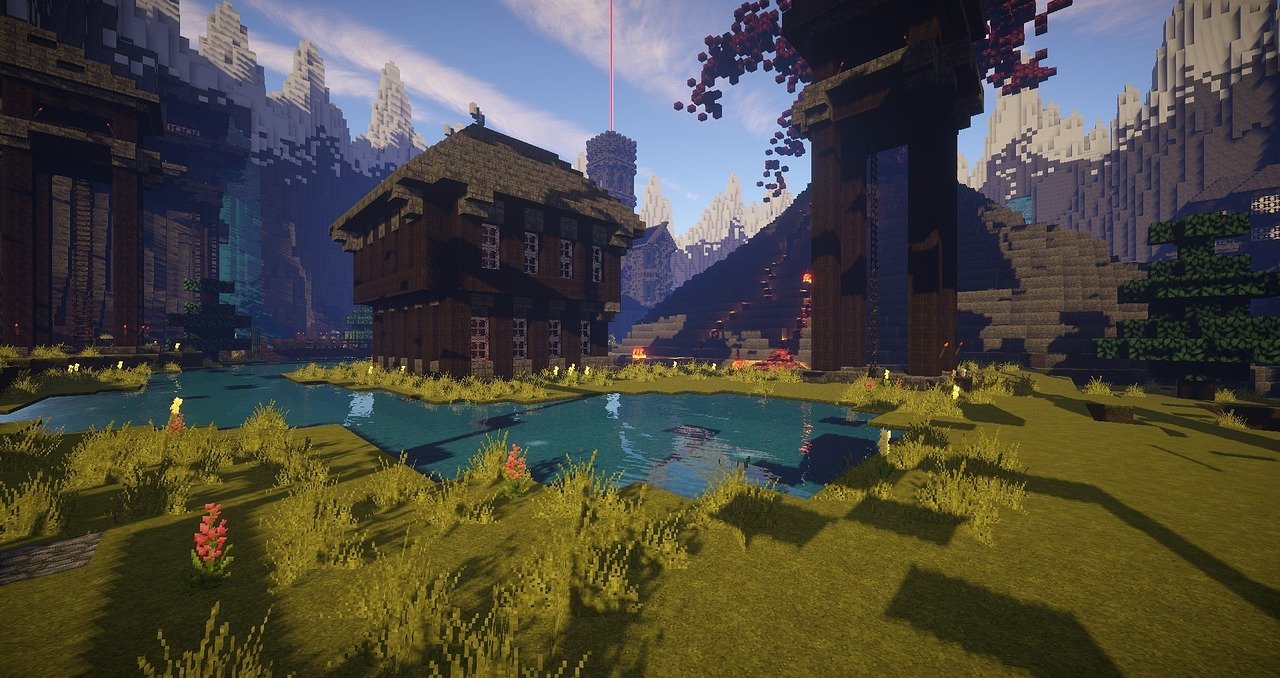
Minecraft

Minecraft is an incredibly popular Indie title, having sold over 200 million copies to date, and was sold to Microsoft the company behind the Xbox game console in 2014. Microsoft has since updated Minecraft with new content, released two more games under the Minecraft title, and expanded the game into other profitable areas such as toys.

Undertale

Undertale is a game that was crowd-funded and released in 2015 with an estimated 5.8 million users. Created by a single developer, this game has reached a level of acclaim that Nintendo licensed one of the characters to appear in one of their own games. The game also has its own line of merchandise and a much-anticipated sequel currently in development.

Among Us

Among Us is a more recent success story of a small social deception game that rocketed into the public eye, and boasted 60 million active users a day at the peak of its popularity. The game was very popular amongst YouTube and Twitch creators, which acted as a very successful marketing campaign. The game has become so popular that, during Halloween, kids were running around in inflatable costumes of the Among Us space suits.

The Benefits of Indie Games

Without a big corporation behind them forcing big decisions, indie developers can make any game they want. For example, Cup Head is an extremely difficult game with an art style designed to be an homage to the early era of hand-drawn cartoons. Some games are designed off of a single weird concept or a specific labor of love based upon an obscure passion.

Most indie developers try to get the funding they need to produce a game using crowd-funding. Crowd-funding is when a designer puts out a concept of a project online and gets funding from the potential fanbase to make the game through a mixture of donations, pre-purchasing the game before development begins, and additional benefits for backers of the game. Benefits can include anything from your name in the credits of the game as a backer to having input into a part of the game or a character in the game being named for the backer. Crowd-funding allows a developer to pool money for a passion project from people who are excited about the game. Crowd-funding success helps to attract investors because it reflects customer interest.

The Dangers of Indie Games

Indie games have been a source of some of the greatest titles of the last two decades, but that doesn’t mean that every Indie game is going to be like Minecraft. Indie games can be whatever the creator wants, and that’s not always a good thing. For example, some developers push the boundary of horror games and explore themes AAA horror would never touch. For example, The Binding of Isaac is one of the most popular Indie games of all time. The game explores themes of child abuse, religious extremism, and child suicide.

Indie games can explore any theme no matter how dark or twisted and the limit to what can be made is limited only by human imagination. That doesn’t mean all Indie games are horror games. But the range of themes available is significantly more diverse than the AAA scene for games.

What does this mean for your young gamers?

Within the gaming industry, Indie games are incredibly diverse. The diversity of genres and topics can create games that range from poorly made first attempts to truly frightening horror games and all the way to amazing successes like Minecraft.

So, what can you do for your young gamers online?

Read the summary.

If your child wants to get an Indie game it will often come from a website that allows developers to post and sell their games. There is a store page on Steam associated with a game that will give you a description of the plot, gameplay, pictures of the game, and reviews from people who have played the game. This will allow you to make an informed decision if this game is right for your child.

The GKIS Connected Family Course

Our family course is designed to bring your family closer and get your kids working with you to stay safe on the internet. Our connected family course is outcome-based and will help you close screen risk gaps and increase family closeness and cooperation.

YouTube

You can often find YouTube creators that have recorded gameplay of popular new Indie games. If your child wants to play the new game their favorite YouTuber is playing, watch one of their videos with them. It’ll show you what kind of game your child is looking at, and you’ll get to hang out with your kid while you do it.

Thanks to CSUCI intern, Jason T. Stewart for researching advances in the video game industry and co-authoring this article.

I’m the mom psychologist who will help you GetKidsInternetSafe.

Onward to More Awesome Parenting,

Tracy S. Bennett, Ph.D.
Mom, Clinical Psychologist, CSUCI Adjunct Faculty
GetKidsInternetSafe.com

Works Cited

Coble, V. (2021, September 30). 10 most disturbing psychological horror indie games. CBR. Retrieved November 20, 2021, from https://www.cbr.com/indie-games-disturbing-psychological-horror/.

Curry, D. (2021, November 11). Among us revenue and usage statistics (2021). Business of Apps. Retrieved December 4, 2021, from https://www.businessofapps.com/data/among-us-statistics/.

Curry, D. (2021, November 11). Minecraft revenue and Usage Statistics (2021). Business of Apps. Retrieved December 4, 2021, from https://www.businessofapps.com/data/minecraft-statistics/.

Donnellan, J. (2021, June 8). 50 best indie games of all time. Cultured Vultures. Retrieved November 20, 2021, from https://culturedvultures.com/best-indie-games-all-time/.

G., D. (2021, November 1). 45+ video games industry statistics, facts, and trends for 2021. TechJury. Retrieved December 4, 2021, from https://techjury.net/blog/video-games-industry-statistics/.

Lowry, B. (2017, November 29). This is what sets ‘indie’ and ‘AAA’ video games apart. Windows Central. Retrieved November 20, 2021, from https://www.windowscentral.com/indie-vs-aaa-which-type-game-you.

Mikolić, M. (n.d.). Undertale stats by Playtracker Insight. stats by Playtracker Insight. Retrieved December 4, 2021, from https://playtracker.net/insight/game/1122.

Oddo, M. V. (2021, August 2). What’s an indie game anyway? Collider. Retrieved November 20, 2021, from https://collider.com/what-makes-an-indie-game/.

Photo Credits

Photo By: 200 degrees (https://pixabay.com/vectors/programmer-programming-code-work-1653351/)

Photo By: Allinonemovie (https://pixabay.com/illustrations/minecraft-video-game-blocks-block-1106252/)

Photo By: aknologia6path (https://pixabay.com/photos/rollup-dark-close-mood-4639945/)

Photo By: Victoria_Borodinova (https://pixabay.com/photos/video-game-entertainment-boy-6578106/)

Is Big Tech Blocking Gamer Solutions for Overcoming Addiction?

Video game addiction is a growing concern among professionals, parents, and gamers themselves. As technology becomes more advanced and the games become more lifelike, the potential for children to become addicted and use video games to escape from the real world increases dramatically. In today’s GKIS article, we cover how gamers are offering a solution that is being blocked from public use. You won’t want to miss this one. If you’re concerned about the effects video games are having on your child, Dr. Bennett’s Social Media Readiness Online Course will give you the answers you are looking for!

What is Skyrim?

Skyrim is the fifth installment of the Elder Scrolls series of games. This game is considered an “Action RPG,” which is a fancy way of saying that participants spend a really long time creating and building a character who maneuvers through an almost never-ending adventure in an extremely large, detailed virtual world. The creator of Skyrim, Bethesda Game Studios, has recently been purchased by Microsoft.

Bethesda has reportedly sold over 30 million copies of Skyrim in 2021, making it one of the most successful games ever created.[1] Skyrim has a rating of “mature” and is not recommended for younger children due to the blood and gore, sexual themes, use of alcohol, and intense violence.[2] Skyrim is so captivating for some gamers that they are falling into the trap of gaming addiction.

The Negative Consequences of Gaming Addiction

Internet Gaming Disorder (IGD) is a mental illness that affects and alters our natural endorphins (our feel-good hormones). Endorphins are released when we do something exciting like exercise, gaming, or using addictive drugs. Also, when we get hooked on endorphins we often skip behaviors we need for healthy functioning like nutrition and rejuvenating sleep. In Dr. B’s Connected Family Online Course, she explains the huge role that sleep plays in staying healthy and happy and offers solutions. Without rejuvenating sleep, it is difficult to maintain balance and can lead to other problems.

Other negative consequences to gaming include clinically impairing:

  • depression
  • anxiety
  • AD/HD
  • self-harm
  • obsessive-compulsive disorder
  • oppositionality
  • social withdrawal
  • obesity
  • suicidality
  • personality disorders[3, 4, 5, 6, 7, 8, 9, 10]

In her book, Screen Time in the Mean Time, Dr. Bennett adds:

Not only are there behavioral and psychological consequences to IGD, neuroimaging studies have found evidence of distinct neurobiological changes similar to those seen in subjects with substance addictions.[11, 12] More specifically, IGD subjects show gray and white matter atrophy (loss of tissue volume) and reduced cortical thickness in various areas of the brain as well as changes to the brain’s pleasure center – like excessive dopamine release and less dopamine receptor availability.[13, 14, 15] The patterns of brain activity while playing reflects how heavy-use players process rewards and losses differently than nonplayers, which may lead to riskier or more cautious decision-making overall.[16]

A Cool New Gamer-Created Solution to Addiction

As games get more and more addictive, gamers are starting to share their experiences and crowdsource for solutions.

Recently, gamer ThatLittleCommie created a solution to help addicted players quit Skyrim using a mod. Mods are game modifications that are created by players and offered on gaming sites for free download. Usually, mods extend the player’s experience. But NoSkyrim (the name of ThatLittleCommie’s mod) does the opposite. It makes the game unplayable so that addicted players can cut off their supply at the source. With the help of NoSkyrim, addicted players can force themselves to quit cold turkey.

Nexus Mods Banned NoSkyrim

Here’s the problem for NoSkyrim. If people stop playing addictive games, then they stop visiting mod websites. Therefore, by helping people to cure their addiction, the NoSkyrim mod is potentially affecting the website’s profit. We suspect that loss of profit is the reason that Nexus Mods, the website where players go to download mods, banned NoSkyrim.

This has not been a popular move for Nexus Mods customers. In the eyes of gamers, the website was putting money ahead of the health of their fellow gamers. This led to several petitions and Reddit forums set up to spread awareness of the dangers of video game addiction. Smaller websites have begun to make NoSkyrim available to players, but the larger websites like Nexus Mods refuse to budge.

How to Protect Your Children from Online Addiction

Leaving kids to regulate on their own is not an effective strategy in most families. Big tech’s manipulative design for devices and games makes management challenging. Here are some ways you can support your kids for healthier gaming:

  • Provide your kids with real-world activities to maintain an offline/online balance.
  • Spend more time as a family on- and offline.
  • Research games and online activities that your child is interested in before you allow a probationary period.
  • Pay attention to ESRB ratings.
  • Check out Dr. Bennett’s online courses! There is the Screen Safety Toolkit for management resources and the Connected Family Course for rules and tools for a safe home setup.

Dr. B is in a unique position to help you to learn more about the dangers that children face when engaging in online activities and to help you to navigate safely throughout your journey as a practicing psychologist, university professor, and mother. In Dr. B’s book, Screen Time in the Mean Time, she discusses and attacks the issue of video game and online addiction and gives advice on how to protect your children from all things screen-related in a productive manner. Also, you can download the free GKIS Connected Family Agreement and get weekly blog articles simply by making a GKIS account on our website home page.

Thanks to CSUCI intern, Michael Watson for researching video game addiction and the ways in which gamers are solving the problem themselves.

I’m the mom psychologist who will help you GetKidsInternetSafe.

Onward to More Awesome Parenting,

Tracy S. Bennett, Ph.D.
Mom, Clinical Psychologist, CSUCI Adjunct Faculty
GetKidsInternetSafe.com

Works Cited

[1] Christian Gaca. (2016). Skyrim has sold 30 million copies worldwide. Gamereactor. https://www.gamereactor.eu/skyrim-has-sold-30-million-copies-worldwide/

[2] Entertainment Software Association. (2021). Elder Scroll V: Skyrim. ESRB. https://www.esrb.org/ratings/31575/The+Elder+Scrolls+V%3A+Skyrim/

[3] Black, D., Belsare, G., & Schlosser, S. (1999). Clinical features, psychiatric comorbidity, & health-related quality of life in persons reporting compulsive computer use behavior. J Clin Psychiatry 60(12):839–844.

[4] Ha, J., Yoo, H., Cho, I., Chin, B., Shin, D., & Kim, J. (2006). Psychiatric comorbidity assessed in Korean children & adolescents who screen positive for Internet addiction. J Clin Psychiatry 67(5):821–826.

[5] Kaess, M., Durkee, T., Brunner, R., Carli, V., Parzer, P., & Wasserman, C. (2014). Pathological Internet use among European adolescents: psychopathology & self-destructive behaviours. Eur Child Adolesc Psychiatry 23(11):1093–1102.

[6] Ko, C., Yen, J., Chen, C., Yeh, Y., & Yen, C. (2009). Predictive values of psychiatric symptoms for internet addiction in adolescents: a 2-year prospective study. Arch Pediatr Adolesc Med 163(10): 937–943.

[7] Lin, I., Ko, C., Chang, Y., Liu, T., Wang, P., & Lin, H. (2014). The association between suicidality & Internet addiction & activities in Taiwanese adolescents. Compr Psychiatry 55(3): 504–510.

[8] Liu, M., Ming, Q., Yi, J., Wang, X., Yao, S. (2016). Screen time on school days & risks for psychiatric symptoms & self-harm in mainland Chinese adolescents. Frontiers In Psychology [serial online]. April 25, 2016;7Available from: PsycINFO, Ipswich, MA. Accessed June 11, 2017.

[9] Mehroof, M. & Griffiths, M.D. (2010). Online gaming addiction: the role of sensation seeking, self-control, neuroticism, aggression, state anxiety, & trait anxiety. Cyberpsychol Behav Soc Netw 13(3): 313–316.

[10] Shapira, N., Goldsmith, T., Keck, P., Khosla, U., & McElroy, S. (2000). Psychiatric features of individuals with problematic internet use. J Affect Disord 57(1–3): 267–272.

[11] Fauth-Buhler, M., & Mann, K. (2017). Neurobiological Correlates of Internet Gaming Disorder: Similarities to Pathological Gambling. Addictive Behaviors, vol. 64, 349–356.

[12] Yuan, K., Qin, W., Wang, G., Zeng, F., Zhao, L., & Yang, X. (2011). Microstructure Abnormalities in Adolescents with Internet Addiction Disorder. PLoS ONE 6(6): e20708.

[13] Kim, S., Baik, S., Park, C., Kim, S., Choi, S. & Kim, S. (2011). Reduced Striatal Dopamine D2 Receptors in People with Internet Addiction. NeuroReport 22.8: 407-11. Web.

[14] Koepp, M., Gunn, R., Lawrence, A., Cunningham, V., Dagher, A., Jones, T., Brooks, D., Bench, C., & Grasby, P. (1998). Evidence for striatal dopamine release during a video game. Nature 393: 266-268.

[15] Kühn, S., Romanowski, A., Schilling, C., Lorenz, R., Mörsen, C., Seiferth, N., & Banaschewski, T. (2011). The Neural Basis of Video Gaming. Translational Psychiatry 1: e53.

[16] Dong, G. Hu, Y., & Lin, X. (2013). Reward/punishment sensitivities among internet addicts: Implications for their addictive behaviors. Progress in Neuro-Psychopharmacology & Biological Psychiatry, 46, 139–145.

Photo Credits

Photo by Ralston Smith (https://unsplash.com/photos/zc9pWsPZd4Y)

Photo by Pragii (https://unsplash.com/photos/pX829a6ObhE)

Photo by Eric Mclean (https://unsplash.com/photos/qgInQSplXBU)

Thanks to Kent Williams for the beautiful painting used for the thumbnail.  (https://www.kentwilliams.com/paintings/2018/8/16/2018/8/16/m-w)

The GKIS Sensible Parent’s Guide to Among Us

Among Us is an app/video game that has seen a rising fan base since its release. It is popular with gamers of all ages. Its cutesy characters and simple gameplay make it appealing to even the youngest children. To get your home set up for cooperation and screen safety, check out Dr. Bennett’s Screen Safety Essentials Course which features weekly parent and family coaching videos in addition to several other valuable resources for promoting family connectedness and preventing digital injury! In today’s GKIS Sensible Guide, you will be learning all the information you need to make an informed decision on if this game is appropriate for your child.

How long has Among Us been around, and how popular is it?

Among Us was released by a small development company called InnerSloth LLC in June 2018. According to Steam, the number of users began to rise when COVID lockdowns started. This peaked around October 2020 with an average number of 170,000 players.[1] It should be noted that this does not include players on Apple or Android devices. The true player count is likely much higher.

Among Us is available for purchase on Steam for under $5. On mobile devices, Among Us is a free download. However, users on mobile devices will be shown ads between games and will have their data collected. To stop this, the user is allowed to purchase an ad-free version of the app. This prevents any ads from playing and their data from being collected by the app.

Getting Started on Among Us

To play Among Us, the player must confirm their age is over 13. This is done with a simple birthdate selection and can be easily bypassed by children younger than 13. Among Us can be downloaded on Steam, along with the Apple app store and the Google Play store.

Before letting your child play Among Us or games like it, we recommend the Connected Family Course to help inform you and your child about the dangers of screen use. It also provides a large number of tips to help your child stay safe online.

Features of Among Us

  • Basic Gameplay
    • During the game, groups of 4 to 10 play together. One to three of those players are selected as the imposters, the rest of the players are crewmates.
      • Crewmates will have a certain number of tasks to complete as a group around the map. These tasks are usually simply mini-games such as connecting wires or swiping a keycard. This group wins when either all of the imposters have been eliminated through voting, or all of the tasks are completed.
      • Imposters have a much simpler task. They want to eliminate the crewmembers until the number of imposters is equal to the number of crewmembers. If this happens the imposters win. Imposters have extra abilities such as using vents to teleport around the map. Imposters always know who the other imposters are.
    • When a dead body is reported or the emergency button is pressed a meeting is called. During this meeting, all players discuss who they think the imposters are. This discussion may be over a text chat or a voice chat. At the end of the meeting, they have the option to vote off a player. They may skip voting if they aren’t confident. Once a player is voted off, it is revealed if they were a crewmember or an imposter.
  • Cosmetics
    • A various number of cosmetics are available for direct purchase for Among Us. They can range in price from one dollar to up to five dollars. While not a loot box, some people do worry that microtransactions like this can lead your child to develop a gambling addiction. For more information on this, please visit our article on gambling in gaming.

Benefits of Among Us

There are numerous benefits of playing Among Us. It is a fun way for friends to interact or to meet new friends online. Its simple gameplay allows for everyone to enjoy it, not just dedicated gamers. Plus, the game is easily accessible because it’s extremely inexpensive or even free. Finally, it teaches players to detect deception from other people. This can be considered a good life skill.

Risks of Among Us

There are a few big risks that come with children playing Among Us. The first is that it does expose the child to violence. While it is cartoon-like, there are some graphic deaths including stabbing, snapping necks, and eating heads off. It also teaches children to lie. To be a successful imposter, one has to lie and plant deception in the crewmates’ heads. This might lead the child to lie in other aspects of their life, particularly younger children. Another risk for anyone playing the game is they may be exposed to cyberbullying by others. Other players may be muted to prevent this, but it is still a risk of playing an online game. Another big risk is talking and interacting with strangers. Though it hasn’t been reported, predators could potentially use Among Us to find victims and groom them into talking outside of the game or offline.

Due to the risk potential for child players, GKIS rates Among Us as a yellow-light app due to the cartoon violence and potential exposure to cyberbullying. This means that children under the age of 13 are not recommended to play this game.

If your child wants to play Among Us, GKIS recommends that you:

  • Add it to your free GKIS Connected Family Agreement (Available if you enter your email on our GKIS home page.)
  • Discuss the risks of chatting with strangers with your child. For tips and advice on how to do this, check out our Connected Family Course.
  • Consider joining our Screen Safety Essentials Course to gain access to weekly parenting and family coaching videos that provide information, extra support, and exclusive tips for helping your child stay internet safe.

Thanks to CSUCI intern Dakota Byrne for researching Among Us and co-authoring this article.

I’m the mom psychologist who will help you GetKidsInternetSafe.

Onward to More Awesome Parenting,
Tracy S. Bennett, Ph.D.
Mom, Clinical Psychologist, CSUCI Adjunct Faculty

GetKidsInternetSafe.com

Works Cited 

[1] https://steamcharts.com/app/945360

Photo Credits

Photo by Kelly Sikkema (https://unsplash.com/photos/PgToaHfQjq0)

Photo by Luis Villasmil (https://unsplash.com/photos/ITFwHdPEED0)

DO Video Games Cause Violence? – Dr. B’s Take!

Do violent videos games cause violence? How can you better keep your kids safe and away from extremist ideas on the internet? Here’s a news highlight of what Dr. B has to say!

Link to Screen Safety Essentials Course 👇

https://getkidsinternetsafe.com/essentials-course/

Link to Website 👇

https://getkidsinternetsafe.com

Link to Book 👇

https://www.amazon.com/gp/product/099…

Follow Our Social Media:

Instagram: https://www.instagram.com/drtracybenn…

Facebook: https://www.facebook.com/GetKidsInter…

Twitter: https://twitter.com/drtracybennett?la…

Linkedin: https://www.linkedin.com/in/drtracybe…

GKIS Now More Than EVER!

In a time of online learning your child’s safety is vital, and GKIS is needed more than ever. Enjoy a highlight of Dr. B’s News Reels! With over 25 years in private practice, Dr. Bennett is seeing more families in crisis due to internet safety problems. To prevent digital injury, she developed GetKidsInternetSafe.com! When it’s your kids ON-the-LINE GetKidsInternetSafe.com

Link to Screen Safety Essentials Course 👇

https://getkidsinternetsafe.com/essentials-course/

Link to Website 👇

https://getkidsinternetsafe.com

Link to Book 👇

https://www.amazon.com/gp/product/099…

Follow Our Social Media:

Instagram: https://www.instagram.com/drtracybenn…

Facebook: https://www.facebook.com/GetKidsInter…

Twitter: https://twitter.com/drtracybennett?la…

Linkedin: https://www.linkedin.com/in/drtracybe…