Need peaceful screen time negotiations?

Get your FREE GKIS Connected Family Screen Agreement

seasonal

Off the Phone and On the Soccer Field: My Cure for Digital Disconnection

Kids crave connection. Face-to-face interaction and emotional closeness are vital for healthy development—particularly for adolescents.[1] Screen time offers shallow connections and distracts kids from those unpleasant cravings. It also keeps kids so busy that they don’t seek the connection they so desperately need. What if they didn’t have to be so lonely? What if there was a way they could be off their screens, doing something good for their health, and making friends at the same time?  For me, that was playing sports.

The Seed Was Planted

As a child, I was most excited to hang out with my friends, be on my phone, watch TV, or eat sweets, in that order. That was until I joined a team sport.

It all started when my mother asked me if I wanted to join the local soccer team. I was nine years old and against the idea because I didn’t want it to cut into cartoon time on the weekends, and had we gone through the Screen Safety Essentials Course, we wouldn’t have worried so much about the impact of screens on us. But she insisted. I only agreed because my favorite cousins were on the team.

I learned from the first practice that I loved the intense physical activity of soccer, and after a while, I began to really get the hang of it. I felt proud and accomplished. I made great friends on the team. We loved team bonding activities and even began to hang out outside of practice. I loved it so much, I gave it my all and looked forward to it all week.

By high school, I had won medals and genuinely felt like I was good at the sport. I received praise and encouragement for all of my efforts and hard work. It also inspired me to work hard in other aspects of my life. I tried harder in school, was friendlier with classmates, more obedient in class, and more eager to participate in the learning process. According to Project Play, high school athletes are more likely to further their education and even receive higher grades in college.[2] I started seeing everything in the world as a skill waiting to be attained, something that required courage, effort, and training.

Having that view of the world helped me when I sprained my ankle right before the start of my freshman season. While recovering, I could have easily scrolled through Snapchat and Instagram endlessly. But I wanted to make sure I continued to build the bond with my teammates for when I returned. It taught me to wait my turn, keep a positive attitude, remain patient, and support others as they shine. As soon as I recovered, my teammates were more than happy to catch me up to speed, and I rebuilt my strength.

Core Memories That Last

One of my most memorable moments taught me something I will never forget. It was my junior year; we were tied 0-0, with a minute left in the game. My team was exhausted, but as captain, I knew this is where my job was most important. I dribbled the ball up the center, dodging two midfielders and one defender, set it up for my left forward, and yelled, “SHOOT!” She shot and sent it straight into the upper right corner of the goal. Everyone who was there to support us was on their feet, our coaches were throwing their clipboards in the air and hugging each other, and our teammates ran to us for a celebratory hug and a jump around. We spent the last 15 seconds of that game with tears in our eyes and joy in our hearts. We had just beaten a 40-year record for our school!

This is when I realized this would have a lifelong impact on me. It was one of those moments that I’ll look back on happily. It was a lifetime of preparation to become someone people could rely on when things got tough and hope felt lost. It was the moment I truly understood what being a leader meant to me and the impact it had on others.

I hugged and thanked my mother for signing me up for soccer at nine years old. She introduced me to the first love of my life, and I would forever be grateful for that. From then on, I never doubted my abilities to get something done, never lost confidence in myself, and never hurt someone without apologizing or broke something without trying to replace it.

The Impact of The Beautiful Game

Project Play reports that sports, in particular, can positively impact aspects of personal development among young people, keep them away from harmful substances, and encourage cognitive, educational, and mental health benefits.[2] I believe my experience of playing soccer was so much more than just a fun sport or a way to stay active, although both are tried and true. It was a refinement of my character, it was a positive shift in how I viewed the world and myself in it, it was what taught me that rejection was just redirection, and it was a way to build and maintain connections with people I am still close to, at 27 years old.

Why Everyone Should Play Sports

Participation in sports can protect against the development of mental health disorders.[4] These benefits include lowering stress levels, rates of anxiety and depression.[5]Lifelong participation in sports leads to improved mental health outcomes and even immediate psychological benefits which continue long after participation is over with. The improve self-confidence, encourage creativity, and nurture a higher self-esteem. Statistically, adolescents who play sports are eight times more likely to be physically active at age 24.[3]


Thanks to CSUCI intern, Elaha Qudratulla, for sharing an important story about how beneficial playing sports were for her then and how it still helps her today.

I’m the mom psychologist who will help you GetKidsInternetSafe.

Onward to More Awesome Parenting,

Tracy S. Bennett, Ph.D.
Mom, Clinical Psychologist, CSUCI Adjunct Faculty
GetKidsInternetSafe.com


Works Cited:

[1] https://www.uvpediatrics.com/topics/alone-together-how-smartphones-and-social-media-contribute-to-social-deprivation-in-youth

[2] https://projectplay.org/youth-sports/facts/benefits

[3] https://odphp.health.gov/sites/default/files/2020-09/YSS_Report_OnePager_2020-08-31_web.pdf

[4] https://baca.org/blog/does-playing-organized-youth-sports-have-an-impact-on-adult-mental-health/

[5] https://pce.sandiego.edu/child-development-through-sports/

Photos Cited:

[Header] Eva Wahyuni on UnSplash

[2] Olivia Hibbins on UnSplash

[3] Elaha Qudratulla

[4] Jeffrey F Lin on UnSplash

[5] Elaha Qudratulla

https://unsplash.com/

6 Sanity Tips to Avoid Family Drama This Thanksgiving


If you’re on Facebook or other socials media apps, you’ve seen digital combat between friends and relatives over politics. Maybe you’ve even strained or lost relationships due to passionate posts and comments. Your beloved Uncle Benny who amused you when he got too loud at family barbeques is now in the enemy camp. Your cousin Christine seems to live on an entirely different planet from you. We all seem to read different sets of news. And this collection of different world views will be sitting around the Thanksgiving table soon. How are you going to manage?

DEFLECT

Before you hang out with your relatives, identify something you have in common that is drama-free. Maybe you both like podcasts or mystery novels or Game of Thrones. Do your homework and write down a few topics you can bring up to get an agreeable conversation going in place of a contentious one.

SET INTENTION

Before you walk into the potential war room, commit that you will not engage no matter what the provocation. Remember that the holiday is intended to strengthen family relationships rather than test them. Stay true to course.

EXHALE

Best coping techniques are in order whenever you are walking into a potential trigger. My two top favorites are a cleansing breath into the stomach with a 6-second exhale and a time out. Avoid holding your breath or breathing from the chest. Also, remember that you can always walk out of the room for a bathroom break or a walk around the block. Excusing yourself from the room is always an option.

GAMETIZE

If Uncle Benny loves to win, create a challenge for conversational self-restraint with prizes. Set up a penny jar and collect $5 to $10 from each adult player. Everybody is a referee. Each time somebody mentions “Trump,” “President,” “Impeach,” “Climate Change,” or any other trigger word, they lose a penny. At the end of the day, most-pennies gets the biggest prize. Last-to-lose-penny gets a prize. First-to-lose-penny gets a prize. Putting names in a hat for a booby prize is also fun.

DISTRACTION

Plan some fun activities so everybody isn’t sitting around bored and ready to tangle. Create a Wiffle ball game. Challenge your nephew to Uno. Buy the Left Center Right Dice Game from Amazon for only $6.99. It’s a fun group game and inexpensive enough to send home as a prize. We love a long game of Mexican Train in our family.

UNPLUG

GetKidsInternetSafe follows the research about how screen time can interfere with relationships and overall well-being. When the generations come together, digital natives stick their noses in the screen and digital resistants rant about the good old days. Then the digital immigrants get blamed for bad parenting. It can get ugly. Save yourself some headache by establishing doable unplug rules, allowing some well-deserved screen time and putting a basket on the table for screen-free discussions and meals. Also, read a few of our GKIS blog articles to prep yourself for interesting, informed discussions. I particularly recommend teaching the room about online dark patterns (I didn’t know about those until I read my intern’s research), and figure out how to become a meme lord so you’re armed with some funny memes to share a laugh or two. A little bit of prep with planned words of support for the kids may curb criticism.

Finally, fill your heart with gratitude for feisty family opportunities, delicious food, and togetherness. One day Uncle Benny will no longer be with us, and Cousin Christine will create different holiday traditions with her in-laws. Today family togetherness has real meaning. Soak it in. My interns and I at GetKidsInternetSafe thank you for your ongoing support and personal emails and comments sharing your wild family scenarios. We love you and wish you happiness this blustery holiday season.

I’m the mom psychologist who will help you GetKidsInternetSafe.

Onward to More Awesome Parenting,

Tracy S. Bennett, Ph.D.
Mom, Clinical Psychologist, CSUCI Adjunct Faculty
GetKidsInternetSafe.com

Photo Credit

Photo by Jennifer Bonauer on Unsplash

Why I Think Hello Barbie is Not a Smart-Toy to Buy


blog79hellobarbie

In 2015, Mattel released the smart toy Hello Barbie. Hello Barbie looks like any other Barbie, but this one can carry on a conversation with your child. With Barbie’s artificial intelligence, she listens to (as in records and processes) your child’s voice when you push her belt buckle. Then she responds with one of 8,000 pre-recorded responses. What could possibly go wrong?

Here are the 6 ways I think your HELLO Barbie can go way wrong:

PROFILING: A company may not be trustworthy. What is to stop them from profiling your child’s play behaviors and interests and protect that information?

While your child is playing with Hello Barbie, not only is their voice recorded and stored in the cloud somewhere, but their content is being analyzed for a response. Kids babble about the weirdest and sometimes most embarrassing things. Do you want strangers to have access to hours of unfiltered babbling from your child?

Also, what exactly will Mattel do with that recorded information? Will it help them target their marketing toward your family? Will they be forced to turn the information over to law enforcement if your child reveals information suggestive of abuse or danger? Will the FBI end up at your door because your child said what sounded like “bomb” Tuesday after school?

We’ve come to accept that companies are allowed to view our spending habits from our Target cards…and on Facebook…but we must draw the line at our children’s bedrooms. Don’t we?

CYBERSECURITY: Even the most secure servers get hacked. Can Mattel protect the information they collect from bad actors online?

Maybe you consider Mattel trustworthy to have your private information. But once the information is saved on their servers, your child’s content and even speech pattern footprint are there for the taking.

Today a speech pattern may seem harmless to analyze. But we now know that ultrasound photos that were harmlessly posted online several years ago can now be analyzed to reveal far more information about an unborn baby than we once imagined. The same futuristic analysis with unknown impact may emerge from data gathered from your child.

PRIVACY: Does a child deserve to have privacy during play? Or is it OK for parents to access data about every word they (and those around them) utter when they thought they were alone?

One of the foundations of GetKidsInternetSafe is supporting a trusting, warm connection between parent and child. Even with online filtering and monitoring, kids will still need to independently deal with difficult online situations.

What will it mean to your child when they consider that mom or dad listened to every word said to their BFF Hello Barbie? Maybe it won’t mean much to them at 6 years old, but it may mean far more when they share the story at 16 years old. Spying sets an unhealthy precedent and undermines trust. Barbie has no business getting between you and your child.

BRANDING: Not only will Barbie be reinforcing the Barbie brand, but she’ll also make suggestions about what your child should think about and who your child should be.

Stephen Balkam, executive director of the Family Online Safety Institute (FOSI), once told me that his Hello Barbie remembered their conversation days earlier. He told her he considered becoming a doctor when he was younger. She then asked if he had considered working in the fashion industry! I was all, “That’s not OK!” Not that I have anything against the fashion industry, but I fail to see how Hello Barbie is qualified to give job advice to a vulnerable, Barbie-adoring child.

And what happens if Barbie mentions another toy or movie? Branding, that’s what happens. Imagine the dollars Mattel will bring in with that corner on your child’s pester power.

DAUGHTER SHAMING. Barbie has been a contributor to American women feeling terrible about their bodies, now she can make us feel terrible about our interests and dreams too.

Barbie has been a significant contributor to body shame for women all over the world for decades. Her head is too large, her neck and legs are too long, her feet and wrists are too tiny, and her waist is freakishly slim. Where are her hips?

It turns out that if a woman had Barbie’s body, she’d have to give up some critical internal organs. If we can’t trust Mattel with our fragile daughters’ body images, do we want her modeling conversation and interests?

BABYSITTING. Barbie is an object, not a family member. One thing psychologists agree on is the importance of the human-to-human relationship.

We long to be together from the day we are born. Our popular music, poetry, literature, movies, and television revolves around love and romance. Kids are no different. They thrive under the adoring eyes of their parents, family, and friends.

It is dangerous to farm that critically important job out to robots. Barbie’s blank-eyed stare is not what children need to learn important social skills like attentiveness and empathy or that the world is trustworthy and cares. Come to think of it, Hello Barbie’s eyes say the very opposite.

I’m the mom psychologist who will help you GetKidsInternetSafe.

Onward to More Awesome Parenting,

Tracy S. Bennett, Ph.D.
Mom, Clinical Psychologist, CSUCI Adjunct Faculty
GetKidsInternetSafe

Photo Credit

3042430-inline-s-1-hello-barbie-talking-toy-toytalk by POMAH Magician, CC by-NC 2.0

Three Online Risks That Most Parents Don’t Know About


GG-blog-image-snowy-cabin-1

I’m snuggled into bed at our family’s mountain cabin waiting for snow with anxious anticipation of the holidays. I smile as I reminisce about each child’s favorite toys over the years. The Christmas Eve when my husband and I were up ‘til 3 am constructing an insanely complex train table, the battery-operated Jeeps that were abandoned quickly when we realized they couldn’t propel up our wildly steep driveway, the hours spent figuring out the parental controls on shiny new Apple products. In some ways I’m grateful my kids are no longer little ones. Tonight my oldest made a yummy taco dinner and the two little ones did the dishes. The days are gone where my husband and I were run ragged finding binkies and chasing toddlers. They were precious for certain, but tonight I consider the cyber challenges parents are currently facing with their kids.

To read more, click here. Thank you to GoGuardian for publishing this article.

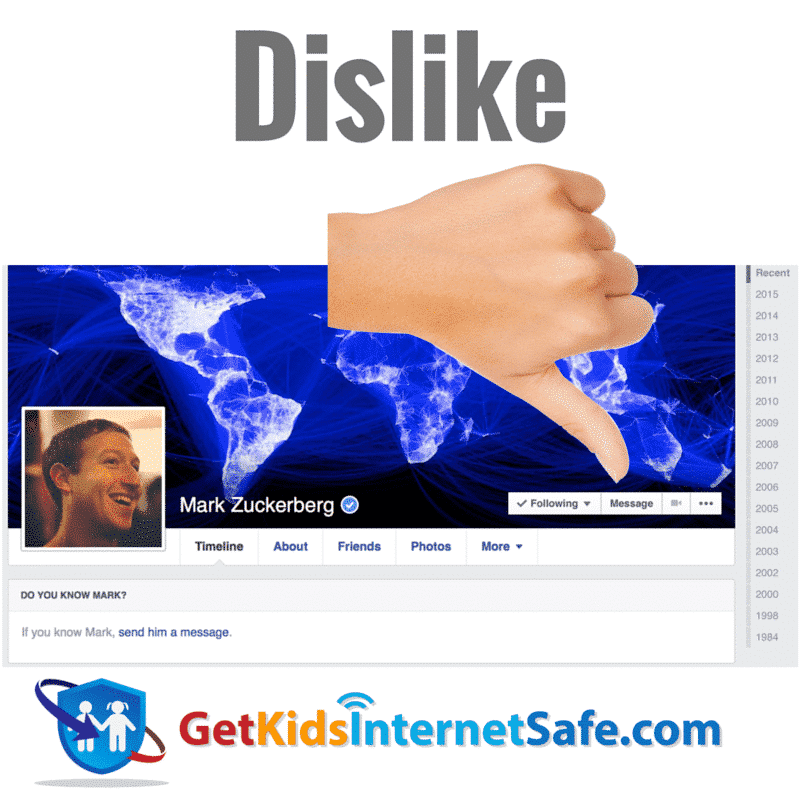
Facebook is Testing a New “DISLIKE” Button. (DISLIKE!) I’ll Tell You Why.

Dislike

First, let’s get it out of the way that we are all totally disgusted that any of us even care about Facebook buttons. I mean of course there are far more important things going on in the world than Aunt Gertrude’s lazy finger stab of approval at my kids’ first-day-of-school pictures.

But truthfully, those of us who use Facebook happen to “like” that Aunt Gertrude cares enough to give a look and a stab. It even warms our little social-media-loving-hearts to imagine her toothless grin when we see her “like.” And don’t we feel a particularly cozy flush if she feels generous enough to give a several word comment (“Sweetie! They’re getting so big!”)? Rejoice!

After all, without Facebook Aunt Gertrude and I would only think of each other the split second before we see each other at the sweaty cousin-infested family reunions each decade. I wouldn’t know how much she loves cats and crochet, and she’d surely miss out on my cute goats and irreverent sense of humor. As weird as it is, Aunt Gertrude and I have a relationship because of Facebook. She’s not even going to survive until the next reunion that I may or may not attend. Sad maybe, but 1000 miles and busy lives make it true. So let’s just get over ourselves and admit that our petty social media relationships really matter. Aunt Gertrude is one relationship that threads the tapestry of my life, and her shocking shade of sappy comment magenta colored yesterday’s depressingly gray tint.

OK now that I’ve gotten my defensive and slightly desperate response to the Facebook haters out of the way. Let’s get sanctimonious about that confounded “dislike” button!

I’m  conflicted about the “dislike,” because I agree that it is appealing to have an opportunity for a larger range of emotional reaction to a post than “like.” I mean sometimes I want to give a buddy a quick stab of recognition for that bummer post announcing personal or public tragedy. I want them to know I’m here, you know, micromovement-heart-and-soul.

But honestly, shouldn’t something as potentially powerful as a “dislike” (read angry or frowny face or supportive hug) require more than a keyboard stab? I mean if my social media buddy took the time to post something dislikable, don’t they deserve a soft startup to my boo opinion chased with a sugary sprinkle of hope?

Post: “Yesterday my dad died, I’m devastated”

Response: “Dislike” or “Fanny, I know how much you loved him. I’m so sorry for your loss. May he rest in peace”
 

Post: “Polar bear plight looking desperate”

Response: “Dislike” or “This image makes me so sad I’m going to Google this and see how I might help out”
 

Post: “I need a hug today because I’m sad”

Response: “Dislike” or “I love you! Let’s meet for coffee”

Maybe it’s my bleeding heart ravaged by years as a healer, but honestly, have we really gotten that uncomfortable with intimacy? Shouldn’t anything dislikable deserve a little more effort than a finger stab? A little more warmth? Those icky little heart flutters of emotion, they are far better served by a moment of empathetic reflection than a stab of “yep.”

And let’s consider the potential for passive-aggressive hostility, the kind that subtweets contain and Ask.FM votes wield. “Dislike” can easily mean, “f you” or “none of us think you belong” as easily as it can affirmation. Yes we are all grossed out by the potential for cruelty and taunts on social media, but think again if you believe it’s only the kids that are doing it. Something as lame as a “dislike” can be interpreted in too many hurtful ways to make it worth it. Consider these:

Post: “Look at my new haircut!”

Response: “Dislike”
 

Post: “I’m so happy my son had the courage to come out yesterday!”

Response: “Dislike”
 

Post: “Our newborn just arrived and we couldn’t be more ecstatic!”

Response: “Dislike”

Post: “I’m a vulnerable teen and I’m really hoping you like my awkward selfie and opinions and … please, please approve of me”

Response: “1.5k dislikes” & “3 likes”

Please Mark Zuckerberg, save the cyberbullying opportunities for the more cruel social media apps populated by trolls and teens. We all spill our uglier selves out on Facebook occasionally anyway; please don’t make it as easy as a stab.

What do you think? I could be missing something here. If you even care about Facebook at all, do you think my concern about potential hurt feelings is politically correctness gone too far? Or are you with me on this one? Mark Zuckerberg needs to know.

I’m the mom psychologist who will help you GetYourKidsInternetSafe.

Onward to More Awesome Parenting,

Tracy S. Bennett, Ph.D.
Mom, Clinical Psychologist, CSUCI Adjunct Faculty
GetKidsInternetSafe.com

Men, Women, and Children Got it Right

familyrestroom-300x257


Jason Reitman’s movie Men, Women, and Children got it right. Well, maybe not satisfyingly “right,” but it highlighted some scary, hard-to-manage technology-related tragedies that are happening to everyday families more often than we want to admit. This movie is not entertaining. It’s dark. It’s dramatic. And it highlights the very issues that I’ve been ranting about for a while now; issues that prompted me to create www.GetKidsInternetSafe.com to make a positive difference for families on a larger scale than my clinical practice.

So first, let’s talk turkey about this movie. Sunday night I went to one of the two theaters showing #MWC in Los Angeles prior to its public release October 17th. Watching the movie with my psychiatrist husband was distressingly similar to our Tuesday at work in clinical practice. Like in a psychologist’s office, the big screen offered an intimate and distressing view of families suffering various forms of tragedy related to unchecked Internet and social media use. Audiences may argue “this is Hollywood hyperbole at its finest.” I would argue, however, that if you think this is far from reality, you have your head buried in fantasies of yesteryear. And if you are self-righteously thinking your children would never behave like this, all I can say is “good luck with that.” I commonly treat very skilled parents with loving and attentive families who end up mired in technology quicksand. No family is immune to technology tragedy if you own screen media.

You haven’t seen the movie? Well, you should only go to see it if you want to see some dark truths and are courageous enough to be an informed parent. In my clinical opinion, the most dangerous state of being is overly confident. It is the overly confident that think they can break the rules a little and it won’t matter much…until they don’t stop at a little and it matters a ton. I’ve watched this process play out on my therapy couch hundreds of times over 20 years. It’s not the cautious and the dim that get into impressive tangles, it’s the capable and the confident.

What tangles are portrayed in the movie? The same ones portrayed in my smallish suburban town. Here’s the list of tragic characters (spoiler alert!):

Allison is a beautiful, innocent adolescent girl struggling with emotional estrangement from her family who becomes a diligent student of how-to-be-anorexic websites. Hungry and confused she seeks advice from other eating disordered website members and begs for emotional validation by engaging in awkward, humiliating sex with a brutally exploitive older boy. Not enough tragedy for one character? Her secret life is ultimately exposed in a tragically humiliating hospital scene with slut-shaming parents, and later her personal empowerment thwarted through mild cyberstalking and vandalism.

Hannah is another beautiful but not-so-innocent adolescent girl who gets her self worth from her sexual predator fandom that buy her compliance via a T & A website managed by her mother, Donna Clint. Mom is a mildly successful actress who passes on multigenerational trauma related to her own shallow objectification. Mom exploits her daughter’s sexuality in order to give her access to the shallow dream of fame and fortune. Mom shows remorse as their plans come crumbling down along with their precious mother-daughter relationship. This prescribes to the “it’s only wrong if I get caught” primitive level of moral development. I ended up unfairly disliking the girl and somehow empathizing with the stupid mother. I can only blame my irrational emotional responses to the superior acting of Olivia Crocicchia and Judy Greer.

Character Brandy Beltmeyer commands the spotlight as the daughter of a terrified, over-controlling mother played by Jennifer Garner. Brandy’s seemingly authentic vulnerability gets shattered when we learn of her emo alter ego who lives on a secret Tumblr profile. I found myself rooting for this character most of all, as she works to individuate despite the impressive stranglehold of her very capable, cyber-addicted Mom. Thank you Reitman for debunking the myth that epic lockdown of technology is not going to do the trick.

Tim Mooney steals the show as an adolescent boy who feels defined solely by his football prowess and gaming addiction and decides to throw in the towel in favor of Existential crisis and victimhood via cyberbullying; mix in a delicate adolescent romance and a dash of maternal abandonment, and we’ve got a perfect recipe for suicide.

Chris Truby shows us the danger of internet porn addiction as we see him stumble into progressively more disturbing levels of sadomasochistic porn until his sexuality becomes an insecure tangle of titillation, hurt, and confusion. Reitman demonstrates with this character that boys can also be targeted for sexual exploitation. Parents protect your daughters AND your sons.

And the parents in this movie! They are not immune to tragedy either. Reitman gets it right portraying adults that are screen media victims as well. In addition to the parents already described, please welcome Lydia Mooney, a romance-addicted mother who abandons her family for a FaceBook friend. She attempts to protect her suffering son from the painful truth with poorly executed photo blocking. Her choices smack of selfish grandstanding…or do they?

And finally, the audience is treated to Don and Helen Truby (played by Adam Sandler and Rosemarie DeWitt), a pervy, middle-aged couple bored with their relationship who find sexual outlets via the Internet hookup sites that scratch that itch. Does infidelity work to save a stale marriage? Go see the movie and find out!

Ultimately, Reitman leaves us with intentionally vague and ultimately unsatisfying resolutions. We feel defeated and lucky to not be “those people.”

As a psychologist who has been witness to so many of these issues, I fear we are all a few clicks away from “those people”…even with our best efforts. I agree with Reitman’s unsettling message that our Internet addictions are pervasively risky. There’s no doubt in my mind that Pandora’s box is wide open, and it’s time for a GetKidsInternetSafe revolution.

I’m the mom psychologist who will help you GetKidsInternetSafe.

Onward to More Awesome Parenting,

Tracy S. Bennett, Ph.D.
Mom, Clinical Psychologist, CSUCI Adjunct Faculty
www.GetKidsInternetSafe.com

photo credit: “Family Restroom” by Karyn Christner, cc by 2.0