Need peaceful screen time negotiations?

Get your FREE GKIS Connected Family Screen Agreement

youtube

YouTube Celebrity Burnout, Is It Viral? Part 2 of a 2-part series.

Most parents are baffled by the YouTube celebrity phenomenon so popular with kids and teens. To keep us in-know, our last GKIS article, Why are YouTube Celebrities Popular?, explained why YouTube celebrities are so popular. It looks easy, but the truth is attracting and keeping viewers is not as easy as it looks. Recently, YouTube celebrities have been coming out in droves talking about their struggles with mental health issues. Is this a fad topic intended to attract more viewers? Is it a valuable community service, because it offers mental health information? Or are YouTube celebrities actually stressed out and overextended to maintain earnings? Find out what’s behind the curtain of YouTube celebritydom and how practicing tried-and-true self-care methods is the answer for staying healthy and successful. 

The Breakdown Video
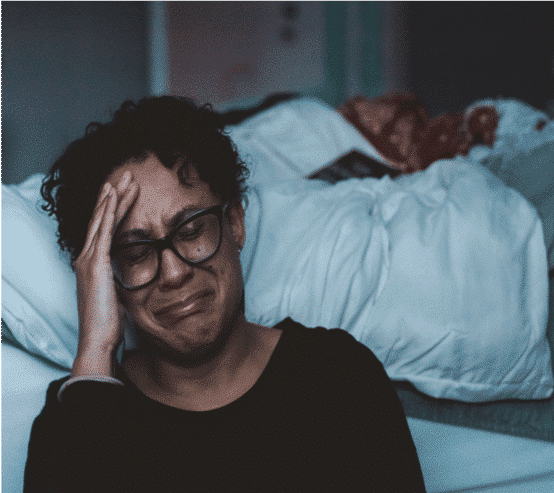
In 2016, top YouTube celebrity PewDiePie reached his breaking point. In a video titled “I QUIT (for now),” he announced that he couldn’t keep up the pace of uploading videos daily. Even the wildly successful veteran PewDiePie was crumbling under the stress and anxiety of a daily vlog. 

Elle Mills is a more recent celebtrity who became an overnight sensation last year with her coming out video, increasing her subscriber count to 1.2 million. Soon after, she posted her burnout video. In her seven-minute emotional video, she explains:

“This is all I ever wanted. And why the fuck am I so unfucking unhappy? It- It doesn’t make any sense. You know what I mean? Because, like this is literally my fucking dream. And I’m fucking so unfucking happy. It doesn’t make any sense. It’s so stupid. It is so stupid.”

Because of the fast changes in her life and the effect YouTube was having on her, she decided to take a break to recuperate and find her love for creating content again. 

Bobby Burns gained almost a million subscribers in less than two weeks after working with celebrity Shane Dawson. Shortly after, Burn abruptly decided to move to Los Angeles and change his content. Sadly, Burn received a lot of backlash from Shane fans and his subscriber numbers ultimately declined under accusations of selling out and changing content for Shane. Eventually this led to his video explaining his breakdown, saying:

“I didn’t make videos, I did- I literally didn’t do anything. I tried- I tried incredibly hard but I couldn’t. I would go to touch my camera or touch premiere and I would just have a full-blown anxiety attack. When this was first happening I was so confused, I was like why? I love making videos so why the fuck is this happening? And the reason that was happening is because I completely burnt myself out and I lost myself in YouTube.”

Common Elements Behind YouTube Celebrity Breakdowns

AdSense:When YouTubers are first starting out, they receive their money through Google AdSense. The amount of money received depend on two key factors, the types of ads and the pricing of ads appearing in your videos. So, whenever a viewer clicks on an ad on your YouTube channel, you get paid a certain amount of money. This creates a pressure to upload daily among YouTubers, so they can maintain their status as a YouTube celebrity and have a consistent flow of income. 

Always-Changing YouTube Algorithms:An algorithm is a set of rules created to solve a class of problems. When we speak of YouTube algorithms, we are referring to the specifications that get one’s video offered up to viewers. There is big competition. Every minute there are over 400 hours of videos uploaded to YouTube, making it necessary to have a way to make content easier to find.[1] According to YouTube, the point of having the search and discovery system are to help viewers find videos they want. 

Initially, the algorithm was fairly simple, rewarding the most clicked videos. Now videos are rewarded by the number of minutes the video is viewed, among other factors. Staying relevant creates a lot of pressure to produce fresh, new, and creative content each upload.

Currently, the six ways the algorithm can affect where YouTuber’s videos appear are through search results, suggested video stream, recommended viewing, trending stream, the viewer’s subscriptions, and any notifications the viewer has set up. [1]

Demonetization:Another concern is the fear and frustration of having your video demonetized. Demonetization means that the video is not suitable for monetization (making money from ads), since it does not comply with YouTube guidelines. However, this continues to be a frustrating and confusing topic for YouTubers since YouTube’s software decides if the video is advertiser-friendly. Software occasionally messes up ad revenue by incorrectly putting it in the ‘demonetization’ category. This can have a costly financial impact.

Brand Ambassadorships & Product Lines: Not only must YouTube celebrities manage their own brands, but they often partner with others. Typically that means partnering with somebody with a similar platform (number of subscribers). Other times, there’s pressure to earn the attention of a bigger celebrity. In order to be marketable, one must create and test content to build an attractive business portfolio. Another way to increase profits and expand influence is to create a personal product line. One business quickly leads to others… 

Is YouTube doing enough to support YouTube celebrities?

YouTube Creator Academy launched in 2013 for the purpose of providing free educational videos on starting a YouTube channel or helping your channel be successful. Creator Academy courses include foundation, production, growing your channel, earning money and building your business on YouTube, and YouTube content categories. [2]

The course “Staying well and avoiding burnout” was added in June, 2018. Polygon writer, Julia Alexander, writes:

 “There is no concrete answer for how YouTube executives and employees can tackle burnout. They can offer more transparency around monetization and copyright rules…but it’s going to take a lot of experimenting and communication. Tools like the community tab, which offer creators a chance to hang out and talk to fans without needing to work on a video is just one step.” [3]

Avoiding Burnout

YouTuber celebrity and vlogger, Casey Neistat, offers, the following suggestions for preventing YouTube burnout:
Take a break.

It’s important to give yourself a break from the fast pace of YouTube. Letting your viewers know that you are taking time to recuperate and take care of yourself shows an openness and bond as a creator. Go on that long-awaited vacation without feeling guilty. 

Spend time with family and friends.

Usually a YouTuber’s time consists of long hours of planning, filming, and editing. Having a balance of work and play are crucial for one’s mental health. When you spend time with family and friends it can be a time to unwind and not focus on YouTube. Remember, you still have a life outside of YouTube, and it doesn’t always need to be publicized to millions of viewers in the world.

Don’t be afraid to ask for help.

This can mean many things. Hiring more hands-on deck to film the content, edit videos, manage social media outlets, and create a balance on work and life can remove those added pressures and creative blockage. For impairing mental health issues, seek professional help.

Diversify your income.

YouTube ad revenue isn’t the only way to make money. The membership site, Patreon,is an outlet for YouTubers to create a page so subscribers can pay to get bonus creator content. Forming a direct relationship with sponsors can also help funding. Being a part of events that hold Q&A panels, conferences, or platforms for YouTubers also help. Production deals with media companies like Netflix or Disney can offer lucrative revenue. Finding ways to diversify your income is important to weather dips in one revenue source.

At the end of the day, YouTube businesses are like other entrepreneurial ventures. Staying centered, learning how to tolerate risk, build support for wearing multiple hats and ultimately outsource, and learning how to manage teams and finances are critical for success. Want to learn more about YouTube’s impact on kids? Checkout YouTube Beauty Gurus Suck Money and Teen Confidence and GetKidsInternetSafe Tips for YouTube.

Thank you to CSUCI Intern, Sasha Mejia for taking the initiative to research and write this article in response to your insights!

I’m the mom psychologist who will help you GetKidsInternetSafe.

Onward to More Awesome Parenting,

Tracy S. Bennett, Ph.D.
Mom, Clinical Psychologist, CSUCI Adjunct Faculty
GetKidsInternetSafe.com

Works Cited

[1] YouTube. “Lesson: Search and Discovery on Youtube.” Youtube Creator Academy, 2018.

[2] Google. “Learn with the YouTube Creator Academy.” YouTube Help, 2018.

[3] Alexander, Julian. “YouTube exec addresses burnout epidemic: ‘We should be the thought leaders in the space’.” Polygon,18 September 2018.

Photo Credits

Photo by Darius Bashar on Unsplash

Photo by Claudia on Unsplash

Photo by MARK ADRIANE on Unsplash
Why are YouTube Celebrities Popular? Part 1 of a 2-part series

Child fantasy jobs used to be astronaut, doctor, or professional athlete. Nowadays, kids all dream of being a YouTube Celebrity. In the GKIS article, GetKidsInternetSafe Tips for YouTube, we touched on why kids love these celebrities and the appeal of the let’s play video. In this article, you’ll find out how YouTube celebrities build their brands and maintain popularity. You may be surprised to learn it isn’t as easy as it looks.

What is a YouTube celebrity?

In the ‘social media era,’ children and adolescents are consumed by screen time. While TV, Blockbuster, cable, CD’s, and iPods reigned in the 1990’s, YouTube, Snapchat, Instagram, Spotify, Netflix, and Amazon Prime rule today. According to Pew Research Center’s recent report on teens, social media, and technology, 95% of teens have smartphone access, and 45% claim that they are online ‘almost constantly’. [1]

YouTube is the most popular social media platform in the world. Valued at $100 billion, this wildly successful platform allows people to create careers by uploading videos and serving followers.

With the evolution of online marketing, the concept of “celebrity” and “influencer” has shifted. Instead of a celebrity ruled by stylists, publicists, and managers, now “everyday people” can build their individual brand. Many YouTube celebrities attract millions of view and earn the loyalty of obsessed subscribers. Big money can be made with brand deals, ad sponsorships, award shows, product lines, and conferences. 

Why are YouTube celebrities so popular?

Successful YouTube celebrities know their audience. Through fad tracking, affiliate marketing, and frequent interaction and surveys with subscribers, they find out what their audience wants…and they give it to them. YouTube celebrity videos range from makeup tutorials, do-it-yourself (DIY) crafts, let’s play videos (playing video games on camera with reactions and tips), pimple popping, and dangerous pranks. You name it, YouTube most likely has it. YouTube celebrities work hard to drive subscribers to their site, building a platform so they can make millions of dollars annually. Why are YouTube celebrities so popular among youth?

YouTube celebrities are better at creating relationships.

Unlike highly-produced mainstream celebrities, YouTube celebrities seem relatable to kids. They are not afraid to be themselves and tend to share personal experiences about sensitive topics like sex, drugs, mental health, dating, and abuse. They are like the crazy aunts and uncles we used to seek out at family reunions. More outlandish than parents, they make fun mentors.

YouTube celebrities are accessible.

Available on demand, YouTube celebrities make deliberate efforts to acknowledge and talk directly to their viewers. They are accessible through social media, answer questions in Q&A panels, and regularly respond on comments with their viewers. The relationship YouTube celebrities develop with their fan base leads to quality engagement. A study commissioned by Google has shown that 70% of teenage YouTube subscribers relate to YouTubers more than the traditional celebrity. [2]

Kids are lonely, depressed, and anxious.

As parent fear has increased, child exploration range has decreased. This leaves kids indoors for hours a day with nothing to do. Playdates no longer happen riding bikes in a pack around town. Now they happen online through social media and gaming platforms. Although somewhat entertaining and satisfying, long hours online canleave kids fatigued and depleted. They get some contact with friends, but not the kind that feeds the soul. Dr. Bennett and other researchers believe screen time is a big contributor to rising child and adolescent mental health disorder rates.

Production is cheap.

Starting a YouTube channel can be as simple as having a phone camera, webcam, GoPro, or professional camera. What makes YouTube so appealing is not the equipment needed to make a video, but the voice and techniques used to build an audience and draw them in. A set, expensive cameras, actors, or directors are not needed for a quality YouTube video. 

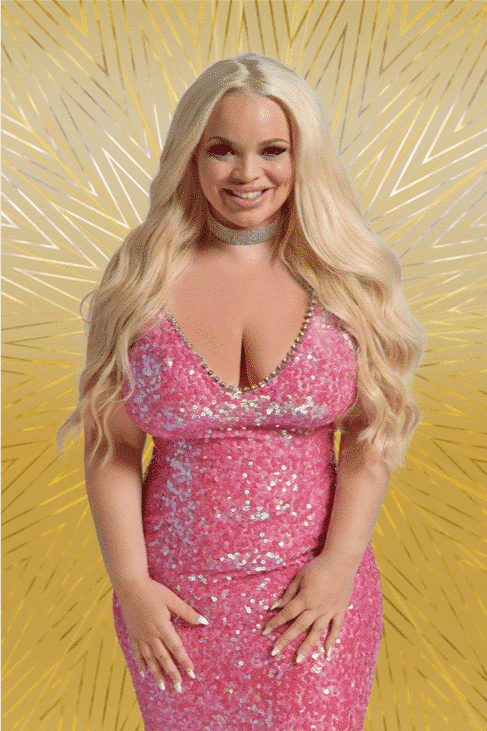
One example is YouTuber celebrity, Trisha Paytas, who started her channel in 2007 as a daily vlogger(video blogging) with a camera in hand and room as her set. Since then, she has created two successful YouTube channels that have millions of subscribers and billions of views. 

She discusses overly candid, explicit topics like sex toy reviews, when she dated a serial killer, and the time she had sex with a whole football team at once. She also films Mukbang videos (eating large amounts of food while interacting in front of the camera), discusses her multiple plastic surgeries, and makes music videos. She’s so funny and charming, you just can’t look away. Her net worth is between $3-$4 million.

Discussion topics are edgy, controversial, sensational, and juicy.

Dr. Bennett shared during our last intern meeting that her son and kids in her practice are currently obsessed with Shane Dawson’s documentary-type analysis of Jake Paul. Providing evidence for the hypothesis that Jake Paul has sociopathy, this series provokes controversy, raises ethical questions (is it bullying?), and heightens competition. Dr. Bennett’s analysis of the situation provides interesting content to launch conversations about social dynamics, business concepts, and online morality. For instance, he was very concerned if Shane Dawson is qualified to publicly diagnose another celebrity with mental illness. Is that bullying with questionable credibility? Or is it a savvy YouTube celebrity feud staged to pit  each celebrity’s fan base against each other and drive more traffic to their sites? Dr. Bennett’s comments have me wondering, are other parents using these learning opportunities like she is? Or do most kids keep their viewing ideas private from family members?

Wondering how to protect your kids from Paytas-like YouTube content? Buy our online GKIS Connected Family Course and start ten easy pro-steps for screen sanity and fun cooperation.

Thank you to CSUCI Intern, Sasha Mejia for her awesome research and for writing this article.

I’m the mom psychologist who will help you GetKidsInternetSafe.

Onward to More Awesome Parenting,

Tracy S. Bennett, Ph.D.
Mom, Clinical Psychologist, CSUCI Adjunct Faculty
GetKidsInternetSafe.com

Works Cited

[1] Anderson, Monica and Jiang, Jinjing. “Teens, Social Media & Technology 2018.” Pew Research Center, 31 March 2018.

[2] O’Neil-Hart, Celie and Blumenstein, Howard. “Why YouTube stars are more influential than traditional celebrities.” Think with Google, July 2016.

Photo Credits

Photo by Christian Wiediger on Unsplash

Photo by NordWood Themes on Unsplash

Celebrity Big Brother Summer 2017-BigBrother JunkieCC by 2.0

Investors Urge Apple and Parents Petition YouTube to GetKidsInternetSafe. Has the GetKidsInternetSafe Revolution Begun?

This has been a big week for grassroot efforts to GetKidsInternetSafe. First was the petition urging YouTube to delete the account of wildly successful YouTube celebrity, Logan Paul, after he tastelessly posted a video showing him giggling alongside a suicide victim. Second was an open letter from two investors urging Apple to help parents with screen management due to screen addiction rates among children. Although research is scrambling to get current, there is substantial evidence that kids are being exposed to harmful content and addicted to their mobile screens. These two precedent-setting moves reflect growing concern and awareness about the very aspects that spurred me to create GetKidsInternetSafe; that technology is profoundly changing childhood and even brain development. After her inspiring Golden Globes speech about our influence on kids, we need Oprah to help us get the GetKidsInternetSafe Revolution some momentum!

In the introduction of my book Screen Time in the Mean Time: A Parent Guide to Get Kids and Teens Internet Safe, I describe how childhood and parenting has made a profound shift.

In modern times, child screen use has had a greater impact on the American family than anything since the abolition of child labor in 1938. Parenting has become a full-time preoccupation. Kids don’t labor for parents, parents labor for kids. Because of what we perceive as society’s high expectations of parents, raising healthy, happy kids has become overwhelming. We are expected to faithfully care for and entertain our children most of our waking hours without complaint. Although parents are waiting later to have kids and having fewer kids per family, with both parents working and the disappearance of extended family help, we have fewer supportive resources than ever before.

Even with little support, we have been accused of “helicopter parenting” to keep our kids safe and successful. We too often expect our kids to earn 4.0 GPAs, awards in robotics, and trophies in sports. Cs aren’t “average” anymore, now they’re a mark of parents not helping enough with homework. Our fear that we aren’t doing enough trickles down to our kids in the form of encouraging lectures and, too often, scathing shame and disappointment. We know this is too much pressure. So in between the “enriching” activities we work so hard to provide, we allow them leisure time…more leisure time than any children in history.

Parents are no longer willing to order their kids to go play outside until the streetlights come on. It’s too scary knowing what we do about child predators, bullying, sex, and drugs. To keep kids safe, we shelter them inside our houses to save them from the world’s perils. Instead of running amok like we did with hordes of neighborhood kids creating spontaneous, street-smart missions, they watch screens. And while they’re on their screens, we’re also on ours. Screen time gives us much needed breaks and provides what we hope is enriching content and a primer in digital literacy. But the troubling behaviors our kids demonstrate while compulsively viewing videos, social media, and video games eerily resemble signs of addiction. And we are the dealers, providing screens too often while they’re too young. We are hooked too. We feel guilty, but it’s often the best we can do. Screen technology has transformed childhood and parenting.

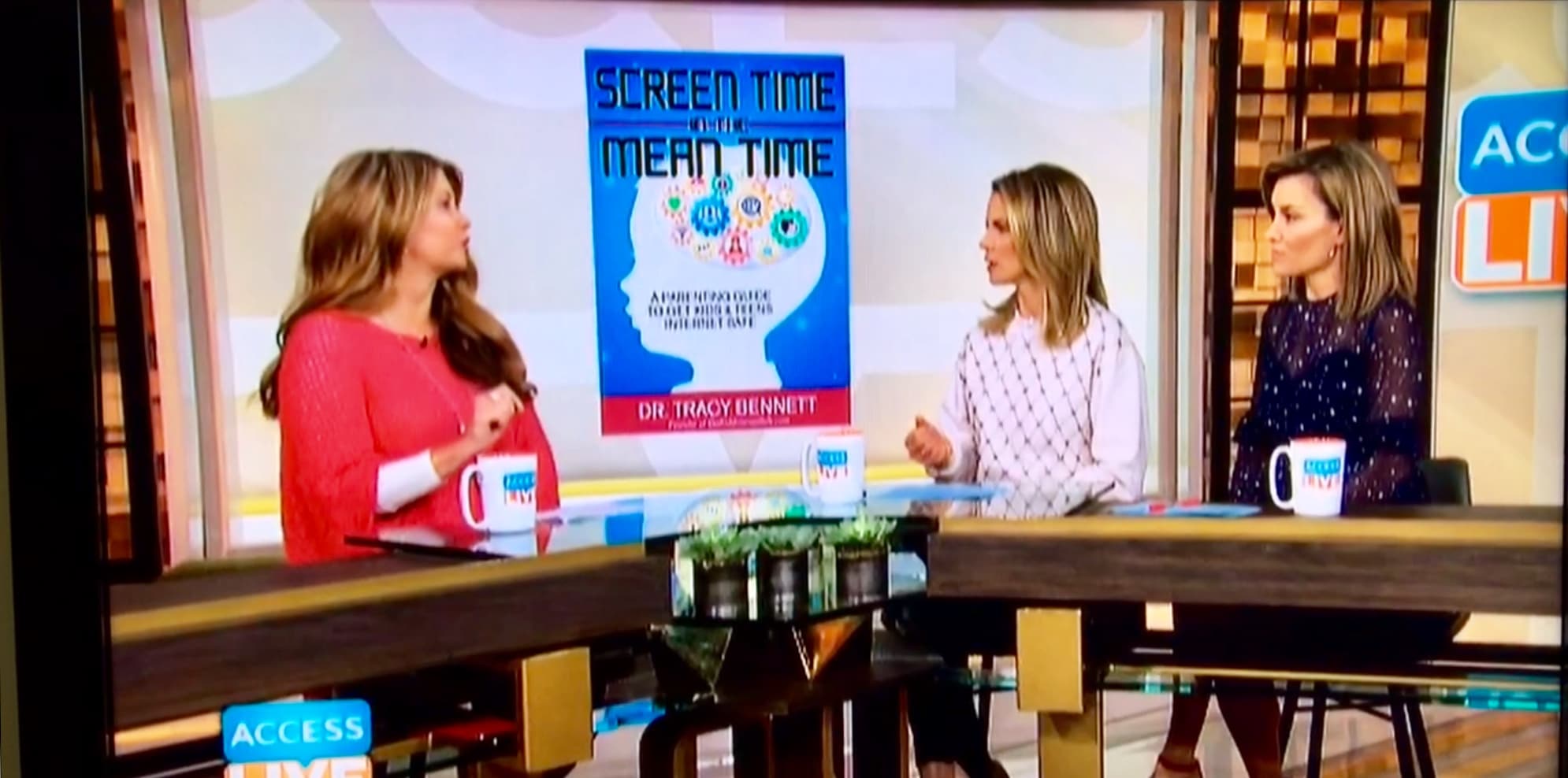
Thursday, Universal’s Access Hollywood Live, again hosted me as their parenting expert to talk about America’s concern about the negative impact of inappropriate video content through YouTube. As I stated on the program, the content that gets through is tantamount to child abuse, and kids don’t have insight into their psychological vulnerabilities. It is up to parents to filter and monitor. But we all know that there isn’t a tool strong enough to keep out sneaky algorhythms and celebrities and corporations bent on viral views that translate to big profits. We need help…and soon!

In their open letter to Apple, activist investors Jana Partners and the California State Teachers’ Retirement System (Calstrs), detail how surveys and studies definitively demonstrate that “it is both unrealistic and a poor long-term business strategy to ask parents to fight this battle alone.” They go on to say, “Imagine the goodwill Apple can generate with parents by partnering with them in this effort and with the next generation of customers by offering their parents more options to protect their health and well-being.” With their $2 billion dollar’s worth of Apple shares, their message is bound to get Apple’s attention.

Let’s be honest here. There is a rich clubhouse of companies that share the responsibility of the wellbeing of the world’s screen-watching kids. Youtube and Apple, yes, but grassroots activitists like myself are also reaching out to collaborate with other influential tech-giants like Facebook, Twitter, Instagram, Snapchat, Google, Amazon, and Disney, among others.

Until we come up with technology tools and sensible legislation protecting our kids from destructive violent and pornographic content as well as distracting, brain-changing, addictive use habits, we are stuck to do our best. Like I said on nationally syndicated television Thursday, how about we start by making our voices heard!

Here are the talking points from my AHL visit with fellow concerned moms, Natalie Morales and Kit Hoover:

Logan Paul has 15 million subscribers. He posts a 15-minute video a day, getting 300 million views a month (making 12-15 million dollars off these videos). His eager subscribers are primarily young people. How do you monitor?

With good old-fashioned supervision, location parameters, and rules to start. No screens in bedrooms, bathrooms, or behind closed doors. Dock mobile screens at night and set a Wi-Fi curfew. The GKIS Family Living Agreement helps get parents on-track.

YouTube does have a “safety” mode, but that doesn’t always prevent your child from seeing this content. Is it more about having a conversation as a family? How should you approach this?

There is a YouTube Kids site that also helps, but yes, it is about having conversation as a family, and a lot of it. Recognize that kids don’t yet have the experience to understand psychological vulnerabilities. Use current, fact-based information like that offered for free and delivered weekly on GetKidsInternetSafe to keep the conversation going. Saying “don’t do that” isn’t enough. Follow the specific conversation starters and sex ed tips offered in Screen Time in the Mean Time to ensure your kids know the difference between sensational content designed for profit (fake news) and content that reflects real-life, factual scenarios.

You have to be 13 years or older to use YouTube, but many of his followers are under the age of 13 (including Kit’s son)….

Exactly. We are all guilty of monitoring failure. We simply can’t supervise our kids 24/7, nor is it appropriate to do that. Social media platforms say 13 years old is required for use, but that is based on privacy issues rather than sound psychological reasoning. Accidental exposure is the most common type, but recognize that kids and teens are developmentally curious and bold; they’ll go looking for distressing material.

Is there a problem with kids being desensitized from these type of videos? Some kids who viewed this may have thought nothing of it.

My GetKidsInternetSafe articles detail how desensitization and even PTSD symptoms can result from livestream video viewing by kids and adults! Not only should Logan Paul have had x-generation team members to help him with common sense and compassion in that Japanese “suicide forest,” but our kids need a support team too. The victim ended his life in deep despair and his family members are destined to maintain it in their grief. Parents must specifically teach empathy and  compassion and recognize that viewing violence and flippantly talking about issues like suicide can create real risk, like suicide contagion – a dangerous cry for help.

People are calling for Youtube to suspend Logan Paul’s account after posting this video. Do you think that’s the right move? Are you surprised Youtube hasn’t taken action?

The truth is that YouTube profits from viral videos, and you can’t help but wonder how often does profit get in the way of ethical constraint or human compassion. I think that parents need to advocate for better safety measures on all the livestreaming platforms. In my practice, I treat kids who are commonly viewing violent pornography, imitating life-threatening stunts, and engaging with human traffickers, hate groups, and child predators. The research is showing that seeing hours of livestream news video, like what we saw with the Las Vegas shootings, can be more psychologically distressing than being a live witness to the tragedy! We can prevent this, and more can be done.

What can you do today?

Decide on a course for getting kids Internet safe by advocating with your favorite organization, like GetKidsInternetSafe.

At the time of this publication, the “Delete Logan Paul’s YouTube Channel” petition by an unknown author on Change.org had over 465,000 signatures. I personally wish the petition was addressed to YouTube with a plea to tighten their security measures rather than publicly shame Logan Paul. Although he is on a well-earned break, he took the video down himself. Before he did that, it still got over 6.5 million views and is currently being shown by other YouTubers who are at once shaming him for his judgment while simultaneously rebroadcasting the videos. Really folks? Hypocrisy in action.

Clean up your own screen use habits.

We are all habituated to picking up our phones in the meantime, whether it be waiting in line or during soccer practice. Let’s all make a little more effort to stay in the present with our kids and risk being alone with our thoughts. Remember what that used to be like? 🙂

Get educated by reading books like Screen Time in the Mean Time.

While we all spend the meantime on our phones, the mean time is being fueled. There are online risks to kids that most parents have never dreamed of. The future is here and despite how many of us, like Kit Hoover, wish we could go back to kick-the-can days, digital literacy is necessary for academic progression. Our kids won’t hear of no-screen weeks, nor will we. That means we need to get brave and educated. You may think you’ve heard it all, but I’m certain my information will help you make a more comprehensive and sensible safety plan and bring you closer to your kids. At the end of the day, what matters is that we do a good job raising great kids. Nothing is more important than that.

I’m the mom psychologist who helps you GetKidsInternetSafe.

Onward to More Awesome Parenting,

Dr. Tracy Bennett

Graphic Livestream Horrors

Popular livestream video platforms, like Facebook Live, Twitter, Instagram, and Periscope, can put viewers at psychological risk with graphic content that’s impossible to moderate or filter. Last week we learned the history of news coverage, including livestream during the recent Las Vegas shooting. Today’s article covers how quickly and dramatically easily-accessed video content has changed with a constantly increasing viewing audience. Is violent livestream video detrimental to our psychological wellbeing? #Vegasstrong

How is livestreaming different from news coverage?

We are all disheartened by the unprovoked mass murder of country concert attendees in Las Vegas recently. Constant bombardment with graphic news coverage left many of us reeling. No longer do news outlets need a reporter on-scene to get dramatic live coverage. Private citizens stream photos and videos from their smartphones real time on the Internet, while outlets choose and air the most dramatic content available.

Graphic news coverage is a relatively new phenomenon. Prior to smartphones, network executives edited out content that would upset viewers. Community standard determined the selection process, with ethics and consumer preference in mind. Livestreaming does not undergo this filtration process. It’s raw, authentic, and very real. Viewers can hear, see, and observe the terror of victims real-time without actually being there.

Livestream Horrors

Imagine the horror of watching a mass murder unfold real-time, helpless to do anything about it. This is exactly what happened to hundreds of Internet and television viewers of recent Las Vegas livestreams. As people livestreamed themselves enjoying the concert, the scene quickly changed. Viewers watched on in horror as the chilling events unveiled. This is not the only case of a tragic event captured on livestream.

In April 2017, Steven Stephens livestreamed himself shooting a 74 year old man on Facebook Live in Cleveland. In the video, Steven is seen in his car saying, “Found me somebody I’m going to kill — this guy right here, this old dude.”  Steven then exits the car and kills Robert Godwin Sr. on the spot. The video was on Facebook live for three hours with hundreds of viewers before it was finally taken down.

In a similarly disturbing incident, a man in Thailand livestreamed himself murdering his daughter.  The recording showed Wuttisan Wongtalay hanging his 11 month-old daughter by the neck from the rooftop of a building. The footage was on Facebook Live for twenty-four hours before it was taken down. Wongtalay later committed suicide off camera. Facebook called this “an appalling incident.”

In another criminal event, Obdulia Sanchez, 18, livestreamed herself on Instagram driving under the influence with two 14 year-old girls in the back seat.  After losing control of the vehicle, she shakes her sister, dead in a pool of blood, pleading, “Jacqueline, please wake up.”

Another particularly noteworthy livestreaming event occurred in January 2017, when four people broadcasted a 28-minute livestream video as they tortured a mentally disabled man. They taped his mouth shut and threatened him with a knife as they beat him, made him drink from the toilet, and cut off a part of his scalp. The first perpetrator to be tried, nineteen year-old Brittany Covington, pleaded guilty to the hate crime and received four years probation where she was ordered not to use social media.

Tolerance of Violence?

Information reaching us faster alerts us to a more accurate reality. This can be beneficial when considering the authenticity of news. But at the same time, instant access to unfiltered media may be desensitizing us to violent imagery. According to the World Health Organization, “Rules or expectations of behavior … within a cultural or social group can encourage violence.”

Children and adolescents who are curious and thrill-seeking seek out content to be shocked, scared, or more “in-the-know.” Other times viewers come across this content by accident. Each of us have our own complicated profile of risk. Perhaps the normalization of violent livestreams reduces our sense of safety, even sensationalizing issues like assault, murder, and suicide. Copycat behaviors seeking notice can also be a problem.

The fact that there are thousands of disturbing videos circulating the Internet at any time makes one question how it got this bad. As a nation, we are becoming more tolerant of viewing violence on-screen. Many argue that certain types of violent videos must be publicly available for informational and educational purposes. In response to this, most Internet platforms have specific rules for how violent videos are filtered.

For example, Facebook now has guidelines regarding which violent videos are permitted to stay on the website and which are removed. Videos of violent deaths are not always taken off the site, because they can help bring awareness to issues such as mental illness or war crimes. Videos in this category are instead marked as disturbing content and blocked from minors. Facebook also permits users to livestream themselves attempting suicide or committing acts of self-harm. The justification for doing so is because they do not want to censor freedom of expression or punish someone in distress. If a person does livestream a suicide attempt, the video documenting the incident may not be taken down if it is deemed newsworthy.


Youtube also has challenges filtering inappropriate content. Dr. Bennett was invited as a parenting expert on Access Hollywood Live to discuss the poor judgment of celebrity Youtube Logan Paul after he posted video of a suicide victim hanging in Japan’s notorious “suicide forest.” Although Logan took it down after receiving criticism, over six million of his followers, mostly young people, saw the footage and Logan’s poor taste of giggling uncomfortably throughout. People are increasingly willing to post scandalous content in order for it to go viral. After all, that mean’s BIG profits. Dr. Bennett called for parents to talk to their kids and advocate for better safety monitoring on video and livestream social media sites.

Find out how graphic livestreams may affect mental health in Mara Pober’s last article of her three-part series, “Live Streaming Can Cause PTSD in Adults and Children.”

I’m the mom psychologist who helps you GetKidsInternetSafe.

Onward to More Awesome Parenting,
Dr. Tracy Bennett

Works Cited

4 charged with hate crimes in Facebook Live beating of man with ‘mental health challenges’

How Facebook decides what violent and explicit content is allowed

Jailed woman says she livestreamed aftermath of deadly crash to raise funds for sister’s funeral

Las Vegas shooting FRONT ROW at country music concert live stream

Man livestreams murder of baby daughter on Facebook before committing suicide

Nationwide manhunt for suspect in Cleveland Facebook video murder

Post Traumatic stress disorder

Photo Credits

Eye By Richard Broderick

Girl on Computer Notebook

Gun

YouTube Beauty Gurus Suck Money and Teen Confidence

With more pressures at school and with friends, middle school can be awkward, scary, and lonely. Middle school is also when many tweens and teens onboard social media. Although social media is a fun way to keep up with friends and follow special interests, it has also been proven to increase insecurities and make kids feel left out and excluded. Cyberbullying is not uncommon and can lead to depression and anxiety. Insecure about their looks, teenagers are the perfect target for online beauty gurus and product marketing. Are beauty videos innocent instructional fun or high-tech marketing? Today’s GKIS article covers the beauty guru craze on YouTube, Instagram, and TikTok and how they trick us into buying expensive and unnecessary beauty products.

What is a beauty guru?

Beauty gurus are social media celebrities who create images and videos that offer makeup and hairstyling tutorials, skincare reviews, and fashion advice. They are popular on YouTube, TikTok, Instagram, Snapchat, and Facebook.

Millennials (those born between 1980 and 1995) and Generation Z (those born between 1996 and 2015) are the targeted populations for beauty gurus.

  • Tweens, teens, and young adults spend an average of 11.3 hours on YouTube each week.
  • 60% of them follow YouTube celebrities on social media.
  • Nearly a third of teens ages 13 to 17 prefer YouTube celebrities over movie or TV celebrities.
  • As of 2015, there were approximately 45.3 billion views on YouTube for beauty videos alone. [1]
  • Each month, 50 million people watch over 1.6 billion minutes of beauty guru content. [2]

Why are beauty gurus so popular?

Developmental changes during adolescence make teens perfect targets for beauty marketing. As kids develop and mature, they are getting used to maturing bodies and also switch attachment focus from parents to peers.

To attract their tribe, teens focus on their looks and often believe that others frequently watch and judge them. Child psychologist David Elkind coined this developmental phenomenon imaginary audience.

Is a judging audience imaginary? After all, the hundreds of social media selfies and YouTube videos teens view each day fuel the idea that everybody is watching, scrutinizing, and judging.

Teens are also attracted to the fame and influence of YouTube celebrities. Fifty-six percent of teen subscribers aspire to be a YouTube star. [3] Beauty gurus are particularly admired because they are often more relatable than polished celebrities like Kylie Jenner or Angeline Jolie. They’re “normal girls” just like everyone else, right? 

Videos Shot for Profit

High subscriber numbers mean high profits. Although beauty videos appear to be spontaneously self-produced, informal chats into the camera, they aren’t. Most teens would be surprised to learn that these videos are expertly produced with scripting, expensive cameras and sound equipment, professional lighting, digital filtering and enhancements, and extensive editing. Newly created video editing software offers filters that enhance the skin and hide imperfections.

Beauty Box Video is an example of a digital enhancement software product. “This early-generation video plugin automatically identifies skin tones and creates a mask that limits the smoothing effect to just the skin areas…[It’s] Powerful, Easy, Real-time skin retouching for video” (website product description). With retouching software and filters, beauty gurus lead their audience to believe that their flawless skin is the result of a skincare item or a makeup product available for purchase rather than photography, video, and editing tricks. [4]

Some beauty Youtubers are not even amateurs. They are professional makeup artists or stylists. Some Youtuber celebrities may have started innocently making videos, but when subscriber numbers rise, advertisers offer attractive incentives to better sell. For example, Youtuber Michelle Phan was initially endorsed by Lancôme and now has her own makeup line called EM Cosmetics. Her brand makes millions of dollars a year.

Fake Friends and Confidants

YouTube beauty gurus intentionally create a false sense of intimacy in their videos that appeal to a lonely generation of young people who are captive audiences to their screens. Intimate video titles such as “Get ready with me” or “Storytime” offer the viewer a false sense of friendship with the Youtuber. [5]

Although teens may feel entertained and satisfied with learning, hours of watching may also contribute to their dissatisfaction and loneliness. Despite the teen’s best efforts, they will never be able to attain the professionally produced look of the beautiful Youtuber. The most popular beauty gurus are very attractive to begin with. Youtubers with average looks rarely get views and endorsement deals. The prettier the Youtuber, the more brand deals they get, and the more discouraged teens get sold on expectations they can’t achieve.

Compare and Despair

Many teens look to beauty gurus as role models. Unfortunately, beauty gurus rarely encourage their audience to explore interests outside of beauty and fashion.

Instructional beauty videos reinforce gender stereotypes that our worth is based on beauty, which requires time, skill, and money to achieve and maintain. These stereotypes are reflected in filter features that reflect Western beauty biases. We covered an example of this in our GKIS article, Beauty Filters Don’t Embrace Brown Beauty: The Rise of Colorism.

Also disturbing is how many beauty gurus discuss their plastic surgery and cosmetic procedures on camera. Browse “I got injections,” and you will see dozens of videos produced by surgically enhanced influencers with millions of views each.

In Xiaxue’s video titled, “Plastic surgery questions answered!” she discusses her nose job and double eyelid surgery as if it’s an everyday, simple get. Surgical transformation is a dangerous proposal to a lonely, self-conscious teen who has spent hours mesmerized by enhanced marketers slowly grooming her desperation to be reinvented. Anxieties inspired by this type of content can lead to mental illnesses like body dysmorphic disorder and eating disorders. [6]

Popular YouTube celebrities boast large followings, high influence, and big profits off of vulnerable teens. A top beauty influencer, Wayne Goss, blew the whistle on this misleading phenomenon in his video, “WARNING. YOU’RE BEING LIED TO.” In his illustration, Wayne shows his audience what his face looks like before and after using skin retouching software. But knowledge doesn’t always cut through compulsive video viewing habits. [7]

What you can do:

    • Recognize that worth is more than skin deep and emphasize this among friends and family. Provide opportunities for intellectual, spiritual, and character growth. Value substance.
    • Be a good role model. Makeup-free days and clean, natural living balance special, glitzy occasions.
    • Parents can filter streaming video content with screen safety management tools like those offered in our Screen Safety Toolkit. The more developed your child’s personality and self-concept, the more resilient they’ll be in the face of relentless marketing.
    • Educate kids about the risks and benefits of watching beauty guru videos. Make sure they understand that beauty videos are meticulously edited to make a profit from unsuspecting targets.
    • Help each other know that we don’t need to alter our appearance to be genuinely loved and accepted.
    • Monitor and limit how often you or the people you care about view beauty guru content. Take notice if you or those you care about are showing compulsive viewing habits or are negatively affected by the content they are consuming.
    • Teach balanced, healthy, and fun beauty activities like giving to others, gratefulness, kindness, a clean diet, and satisfying fitness. Beauty radiates from within, not from ten-minute ombré lips and $50 shimmer. Sometimes it’s important to dare to go bare.

Thank you to CSUCI Intern, Mara Pober for providing parents with information about the beauty gurus of Youtube. For more parenting support to dull the influence of high-earning, big-influence celebrities like Kim Kardashian, check out the GKIS article What Parents Need to Cover About Kim Kardashian’s Un-covering.

I’m the mom psychologist who helps you GetKidsInternetSafe.

Onward to More Awesome Parenting,

Tracy S. Bennett, Ph.D.
Mom, Clinical Psychologist, CSUCI Adjunct Faculty
GetKidsInternetSafe

Works Cited

[1] Beauty on youtube in 2015

[2] The Leading Role of Influencers in the YouTube Beauty Community

[3] DefyMedia Acument report

[4] Beauty Box Video

[5] Making Sense of Beauty Vlogging

[6] Plastic surgery questions answered!

[7] WARNING. YOU’RE BEING LIED TO.

Photo Credits

Decolored eye Pix from the Field, CC BY-NC-SA 2.0

creative commons Sharon Wesilds, CC BY 2.0

Shélin Graziela, CC BY-SA 2.0

Astrology junction creative commons Sharon Wesilds, CC BY 2.0

GetKidsInternetSafe Tips for YouTube


Did your kids watch endless hours of YouTube this summer? If so, they are not alone. Limitless quantities of content has made YouTube the second most visited website in the world; FaceBook is number one. Famous YouTube stars, like PewDiePie and Smoosh, boast over 56 million subscribers and 15 billion views! That translates to a $15 million dollar paychecks and enormous influence over our kids. This morning I appeared on Access Hollywood Live to answer parent questions about YouTube. What is the appeal for kids, and what do parents need to know?

What do kids watch?

YouTube offers content for any viewer appetite. That too often means sex, violence, alcohol and drugs, product sales, and beauty tips. Kids and teens particularly love music videos, let’s play videos, and vlogs created by YouTube celebrities (“YouTubers”).

Let’s Play videos show YouTube celebrities playing popular video games, commenting and demonstrating game strategies along the way. There are Let’s Play videos that are safe for kids. Others are full of f bombs and inappropriate commentary. Famous YouTube personalities, like Shane Dawson, Smoosh, Trisha Payatas, Jenna Marbles, and Gigi Gorgeous, specialize in sharing opinions, intimate details, and information, acting out silly skits, testing products, and acting out pranks and challenges. Kids become devoted fans, memorizing personal details and impersonating their styles after watching endless hours of curated content.

What is YouTube’s appeal for kids?

The BIG appeal is that it’s a kids-only community without parent interference. We simply “don’t get it.” Kids love having this scene all to themselves, not unlike the rock-n-roll community in the 1950s. YouTubers feel like friends. Through intimate disclosures and humor, YouTubers are that crazy Uncle or zany Aunt you followed around during dull family reunions, because they horrified everybody else. Kids report that YouTube personalities are relatable and more authentic than PR-managed movie celebrities. Kids find them inspirational, admiring that they have fame and fortune simply from play.

What age do kids start watching YouTube?

Kids see YouTube videos as soon as they’re old enough to type in a browser. That means parents need to be proactive. 

5 GETKIDSINTERNETSAFE TIPS FOR YOUTUBE VIEWING

Stage your home

Set up screens so you can supervise (no bedrooms, no bathrooms, no closed doors).

Dock all devices at night in a community docking station.

Install a family-friendly router with content filters.

Keep in mind what safety measures are in place at other houses they visit.

Stage your device

If your kids are 3 to 8 years old, use the YouTube Kids.

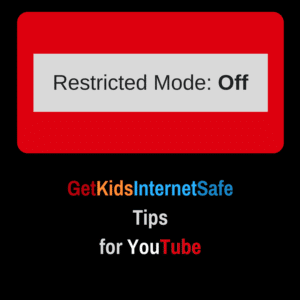
For older kids, turn on the restricted mode at the bottom of the YouTube screen. This will filter out videos that have been flagged by other users and contain inappropriate content.

Set your parental controls on devices and through your Internet service provider.

Use a childsafe browser.

Set rules about viewing AND posting

Viewing: Be specific about what’s OK for your kids to watch and what isn’t. YouTube celebrities and Let’s Play videos can be raunchy and filtering is never perfect. Watching over their shoulders and checking their browser histories are your best monitoring options. Unfortunately though, they may be using the private browsing option. If an ad precedes the video, that’s a sign that an advertiser thought it was “clean” enough to place their ad. Checking out the videos that YouTube recommends based on previous viewing is another slick way to get an idea about what types of videos your kids have been selecting.

Posting: If your child wants her own channel, consider the consequences of others viewing silly and sometimes inadvertently sexual performances. Kids emulate what they see and sometimes have no idea what it means. Thanks to popular music videos, it’s not much to imagine your eight year-old dancing sexy while it rains dollar bills, for instance. If you decide to take the risk, set your child’s YouTube channel on private and be vigilant for unknown subscribers. Remember, kids post what they think will be watched and “liked” (sensational or off-color humor). Enforce the “Grandma rule,” which means don’t post anything you wouldn’t want grandma to see.

Set time windows

No-screen windows, like #NoTechTuesday, never before school, and not until early evening after homework, forces kids off their screens and into real life conversations, books, play dates, and backyard adventures. Balance between online and offline interactions is key to healthy socioemotional development.

Do your job

Outsourcing parenting because you don’t have the time or energy is a mistake. Carve out time, co-view videos, and have fun sharing with each other. Kids don’t learn morals, values, and good judgment without a lot of teaching from us. Tell them what’s out there and SPECIFICALLY what to do when they accidentally view or post something inappropriate. Help them generate solutions to digital problems and imagine the consequences of each. All kids will make a lot of mistakes on- and offline before they’re adults. Stay firm but also warm with a sense of humor.

Want to learn about your child’s next obsession, Instagram? Check out my GetKidsInternetSafe article The GKIS Sensible Parent’s Guide to Instagram.

I’m the mom psychologist who will help you GetKidsInternetSafe.

Onward to More Awesome Parenting,

Tracy S. Bennett, Ph.D.
Mom, Clinical Psychologist, CSUCI Adjunct Faculty
GetKidsInternetSafe.com