Need peaceful screen time negotiations?

Get your FREE GKIS Connected Family Screen Agreement

rehabilitation

Drug Dealers Use Social Media to Hook Teen Girl on Fentanyl

Drug addiction is on the rise with many drug dealers finding teen customers on social media.[1] Once engaged with the dealer, teens are vulnerable to drug use, solicitation for nude photos and videos, coercion, extortion, and even violence. Once hooked, dealers may also use their victims to recruit other teens. Improving their methods one teen at a time, dealers become experts at persuading kids to try that first pill, often lying about what it is and how it may affect them. Most parents would deny that their kids are at risk, insisting that they’ve spoken to them and know their kids would never be so foolish. But if you’re not tracking content on your kids’ devices because you believe they deserve digital privacy, can you be so sure? To help close risk gaps and set appropriate expectations, check out our Screen Safety Essentials Course. With weekly family and parenting videos, you can be confident that you are doing all you can to protect your kids from risks like these. Today’s GKIS article shares a true story about a 16-year-old girl who got caught up in this shocking series of tragic events driven by social media use. Learn about how she got started, the workarounds she used, and what her parents would recommend to help keep your teens safe.

Morgan’s Story

Tom recently shared a tragic story with us about his 16-year-old stepdaughter, Morgan. Morgan is like any high school sophomore. She loves fashion, her friends, and her 17-year-old boyfriend, Parker. She earns straight As and loves to ride horses. Tom and his wife Julie frequently have Morgan’s friends and boyfriend over to the house to hang out and occasionally Morgan and Parker would go out too. Parker seemed like a good kid, and they insisted on meeting his parents right from the beginning. They didn’t think twice when, over time, Morgan started mouthing off, rolling her eyes, and pushing back against the rules. They figured it was normal adolescent boundary-pushing. Besides, Julie and Morgan moved to this new community only a year ago before Tom and Julie got married. They figured there would be some growing pains as she figured out her new school and friend situation.

Over time, however, Morgan’s defiance escalated. She was constantly on her phone, isolating herself in her room, coming home past curfew, and eventually started sneaking out at odd times “to go for a walk.” Grounding her and taking her phone didn’t seem to help, and Julie was reticent to repeatedly punish her due to the screaming fights that would ensue when she tried to implement consequences. Julie felt like maintaining a cooperative alliance with Morgan was more effective than punishment. So, she worked hard to spend time with her daughter and felt that she’d grow out of the teen attitude.

More Than Teen Rebellion

Tom realized it was more than teen rebellion when his neighbor, who worked in law enforcement, came by and reported that he’d seen Morgan buying drugs from different men that would drive up to her during her walks. Julie and Tom were shocked and terrified. They put Morgan into therapy and drug-tested her. When she came up positive for multiple drugs, they put her in intensive outpatient therapy for teens who abuse drugs. They tightened up on their rules and hoped that everything would sort out now that Morgan was getting professional help.

Over time, Morgan’s attitude got better, and she said she liked her therapists. Until one day Julie discovered fentanyl tablets in Morgan’s room and realized they needed to investigate further. Although Julie was still reticent to invade Morgan’s privacy, Tom insisted they confiscate Morgan’s phone and restrict social media and socializing privileges until they could better understand and control the situation.

Phone Content Reveals the “Real” Story

When they accessed Morgan’s phone, they discovered she was swept up in many dealings with multiple drug dealers, most of them adults and some in gangs. They also saw text exchanges that demonstrated that she and her boyfriend were offering nude photos and videos of them having sex in exchange for drugs. It was also clear that Morgan had sex with some of the dealers in exchange for drugs. Julie and Tom were heartbroken and reached out to law enforcement.

From the phone content, several arrests ensued and Morgan filed a restraining order against Parker. The videos revealed that both teens were under the influence during the sexual encounters and Parker may even be charged with a crime since Morgan is heard saying “no” in some of the videos.

Morgan was immediately enrolled in an online charter school and has been admitted to several inpatient drug rehabilitation programs. She takes the prescription drug, Suboxone, to help her avoid opioid withdrawal and stay off fentanyl. Tom and Julie deleted her social media profiles and don’t allow her any screen use except when she borrows her mom’s phone for browsing here and there. Despite these measures, she has found alternative ways to communicate with old friends by using and sneaking other people’s devices and using the computers at school. As she “unlearns” the manipulative, unhealthy behaviors typical of addiction, she has been kicked out of various schools, friend groups, extracurricular activities, treatment centers, and therapy groups. It will be a long road to healing for Morgan. Although Julie and Tom did the best they could, they wish they would have done more and sooner.

Tom’s Take-Away Advice  

When we asked Tom what he wish he’d have done, he shared the following suggestions:

If I had known how rampant drug sales are among middle and high school students on social media platforms like Snapchat and Instagram, I would not have allowed any social media until the age of 16 minimum

I would have set up more stringent monitoring on all devices and computers, and I would have provided a talk-and-text-only phone with no way to add apps and no way to access the Internet until the age of 16.

I would have volunteered to be the pickup parent instead of the drop-off. Kids are smart. They knew I would catch them if they were under the influence when I picked them up.

I would have shut off our Wi-Fi network every night and checked which devices were using our Wifi. Morgan was able to sneak a “burner phone” at night until he realized that he could monitor WiFi use.

Finally, I would have set up random drug testing as a general policy. Parents who assume that they have no reason to drug test their kids because they’re athletes, straight-A students, or generally good kids still can’t be confident their kids are not being influenced by dangerous others. Drug testing is an insurance policy to help keep your kids alive.

If you want to get into smart parenting habits before your kids run into trouble:

Use our free Connected Family Screen Agreement (and weekly GKIS Blog articles) to set rules and expectations when your kids first get ownership over digital devices and social media platforms. The first rule is that nothing on your device is private, and parents get anytime access.

Purchase our Screen Safety Essentials Course to support the whole family and parenting team for better screen safety and a more honest and cooperative home life.

Check out Social Media Readiness Course for tweens and teens. This course offers 10 modules that teach screen safety issues and psychological wellness tools to optimize mental health in both real-life and digital landscapes. Each module offers a quiz to demonstrate mastery of content.

Finally, talk to your kids, be consistent with monitoring and screen use rules, and don’t assume they won’t experiment with dangerous situations. To learn more about which social media platforms are popular for drug deals and the emoticons they use, check out our article A Teen’s Addicts Confessions About Online Workarounds.

I’m the mom psychologist who will help you GetKidsInternetSafe.

Onward to More Awesome Parenting,

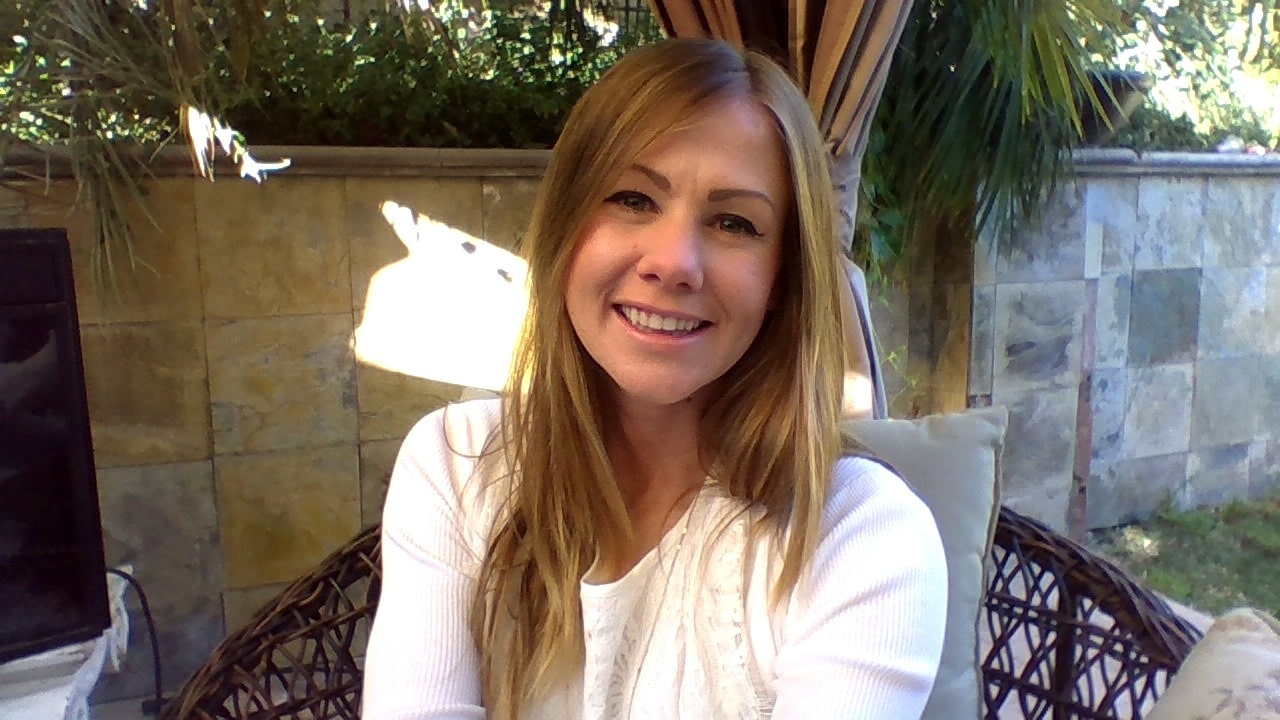
Tracy S. Bennett, Ph.D.
Mom, Clinical Psychologist, CSUCI Adjunct Faculty
GetKidsInternetSafe.com

                                                   Photo Credits

Photo by Myriam Zilles on Unsplash

Photo by sebastiaan stam on Unsplash

Photo by MART PRODUCTION, https://www.pexels.com/photo/a-man-and-a-woman-leaning-on-a-vandalized-wall-7231496/

Photo by Aphiwat Chuangchoem,

Photo by John Schnobrich on Unsplash

What Help Is Available for the Screen Addicted? Part 2 of a 2-Part Series.

In our last GKIS article, Is Your Child Screen Addicted? we discussed the definitions of screen addiction, who’s to blame, who is commonly afflicted, and what the brain studies say. Our next question is, OK then what? It turns out that inpatient treatment facilities for screen addiction are popping up all over Asia. We are starting to see the same here in the United States. When should you get help and what does help look like?

When to Get Help

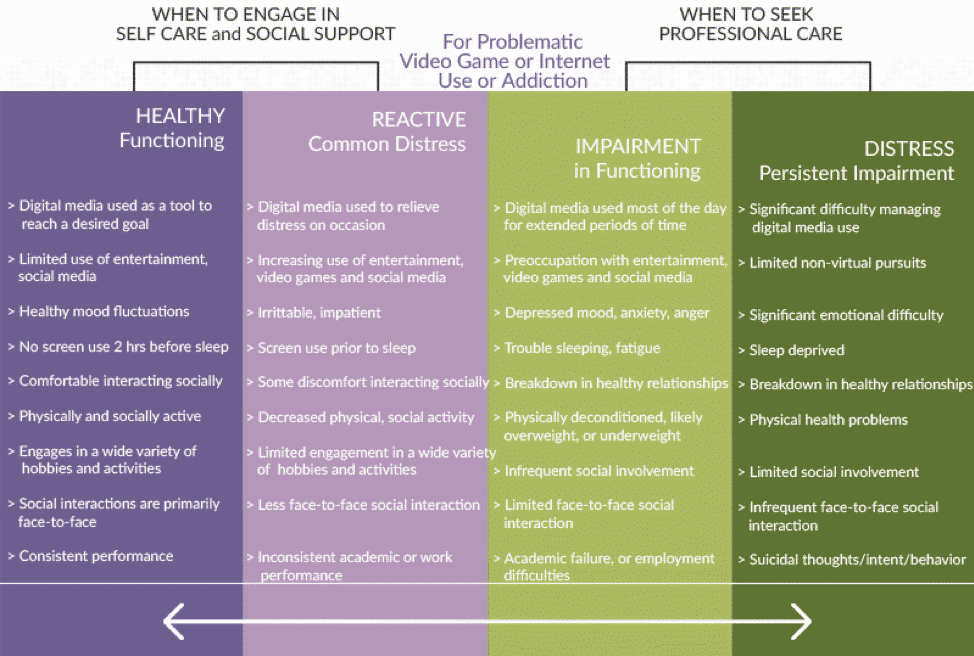
GKIS supports parents to set family rules and promote healthy screen use before digital injury and addictive use occur. If you are concerned about your child’s relationship with their screens, the chart below is a great place to start. Read through each level of functioning and determine which best describes your loved ones.

Fortunately, most kids fall under the reactive category for screen use. To avoid progression into Impairment or Distress, GKIS offers tools like our Screen Safety Essentials Course. If you think you’d like to get outside help as well, here are some facts that will help you navigate as you find the specific help you need.

Where can people with screen addiction go for treatment?

Outpatient Treatment

Outpatient” simply means treatment from an office or clinic rather than admission to a hospital. Youth inpatient treatment programs are more expensive than outpatient and do not typically admit clients until they are at least 12 years old. If your child is young, and it’s early enough that the problem seems resolvable, outpatient services are the best place to start. Find an experienced professional like Dr. Bennett that will work with you and help family members implement follow-up care and make appropriate changes in the home.

Outpatient treatment starts with a comprehensive individual and family evaluation. They will then propose a treatment plan rich in cognitive behavioral coping skills (like those we offer in our Social Media Readiness Course). Usually, the practitioner will see you and your child once a week or twice a week in crisis situations. If your child needs more support, their mental health professional will refer you to extra resources or a partial outpatient or inpatient program. Partial outpatient typically refers to a program with multiple services available more than once a week.

Inpatient Treatment

Inpatient treatment usually involves an overnight stay away from home. Programs are typically offered in timeframes lasting 30, 45, or 90 days and include problem-focused, goal-directed therapies to address the symptoms of the individual’s problematic tech use. Clinicians guide clients through the process of “disconnecting and finding themselves.”

For a long-term stay, you may want to look into programs with accredited education so that your youngster can stay on track in school during treatment. Programs work to encourage a healthy balanced lifestyle while addressing underlying issues contributing to emotional factors (depression, anxiety, ADHD, ASD). Each client’s treatment plan should be individualized and created collectively by the client, their clinicians, and the family. All programs except aftercare should require their clients to be 100% tech-free while in treatment.

The following services have been shown to successfully treat behavioral addiction:

  • Cognitive Behavioral Therapy (CBT)
  • Individual and Group Psychotherapy
  • Nutrition and Fitness
  • Interpersonal Skills Groups
  • Life Skills Psychoeducation
  • Mindfulness-Based Stress Reduction (MPSR) & Meditation
  • Guided Meditation Groups
  • Yoga
  • 12-Step Recovery Groups
  • Relapse Prevention
  • After Care Planning
  • Family Workshops

During inpatient treatment, professionals will work to better understand the complex nature of the individual’s digital media abuse and how it is affecting their development, as well as address the underlying medical and mental health conditions. Patients spend time examining their close interpersonal relationships and how their thoughts, feelings, and behaviors are connected. By exploring patterns of thinking that lead to self-destructive actions and the beliefs that direct these thoughts, patients can modify their patterns of thinking to improve coping skills. Redirecting negative thinking is imperative for self-change, and, due to the immature neural networks in young people, they need more support to achieve lasting cognitive restructuring. Negative thinking patterns also exacerbate anxiety, depression, and compulsive behaviors.

It is important to shop around for quality and fit. Make sure that all treating professionals share an open line of communication with one another, the patient, and the family. As a team, they should help employ a balanced life plan for the client during and post-treatment. They will also go over the risks and benefits of use, potential relapse obstacles and triggers, and help the patient build familial and community connections which are imperative in maintaining a healthy sustainable lifestyle.

Who does the treatment?

Counselors

Counselors focus on overcoming substance abuse and maintaining sobriety. They tend to focus on the here and now and are typically not trained to work with mental health issues directly. Counseling activities include facilitating group therapy and support groups, family counseling for rebuilding and support, and individual counseling to manage symptoms, cravings, and triggers. Counselors work in outpatient and inpatient rehabilitative programs as well as transitional living environments like sober living homes.

Specific types of counselors:

  • Substance abuse and behavioral disorder counselors provide treatment and support for those struggling with addiction. Education and licensing requirements vary by state. However, they typically have an associate degree and a substance abuse counselor certification. Some additionally seek a bachelor’s or master’s degree.
  • School counselors typically have a bachelor’s degree, a teaching credential, and a two-year master’s degree. They specialize in front-line identification of student problems and individual and group counseling about broader issues, like academic and family issues.

Therapists

Therapists focus on mental and emotional health over time, of which substance abuse may be a part. Therefore, they treat mental health issues that co-occur with addiction, including mood and anxiety disorders. Therapists train with a variety of techniques. However, when working with addiction issues they primarily focus on cognitive behavioral therapy, contingency management, motivational enhancement, and individual and family behavioral therapy. Therapists typically work in private practices and outpatient and inpatient rehabilitative programs.

Specific types of therapists:

  • Licensed marriage and family therapists (LMFT) and licensed professional clinical counselors (LPCC) have bachelor’s and master’s degrees. LPCC’s treat a broader scope of mental health issues, while LMFT’s focus on issues that stem from marriage and family relationships.
  • Licensed clinical social workers (LCSW) are part of the mental health counseling branch of social work. They are required to get extra accreditation and training after receiving their master’s in social work (MSW) degree. MSW and LCSW therapies are designed to work with the client to discover what strong natural skills and talents they possess that can be used as a launching point to tackle the issues the client is facing. This process begins with an assessment phase that inventories the strengths and perceived challenges as well as the client’s environment. Then the LCSW works with the client to make and work toward realistic goals (immediate & long term) as well as work to improve the client’s relationship with others and themselves. Social workers can diagnose and provide therapy but cannot prescribe meds.

Licensed Clinical Psychologists

Psychologists typically have a Ph.D. (5-year degree) or PsyD (4-year degree) and are trained for testing and treatment. They have the training to deal with more serious mental illnesses than other treatment providers. Psychologists are often in supervisor and program development and management roles.

Psychiatrists

Psychiatrists are medical doctors that specialize in the diagnosis and treatment referrals for individuals with mental illness. They earn their medical degree and then attend five years of residency specialty training with clients with mental illness. They can prescribe medication and monitor/make dosage adjustments as needed.

Physicians

Physicians with a specialty in addiction medicine are medical practitioners that specialize in chemical and behavioral dependency.

Quick Tips for Parents and Kids in Recovery

Many things will undermine a child’s rehabilitation. One is being too ambitious at the start. Don’t overly focus on each little thing or just the end result. This can lead them to feel defeated from the beginning. Instead, focus on the process one day at a time and acknowledge effort along the way.

Remember that they are doing something important and challenging! Kids making it through childhood and adults doing their best to parent…these are life’s hardest tasks. Blame is not useful, but courage, hope, and love are where it’s at.

“Rehab didn’t cure me of my disorder, but I do consider it to be the cornerstone of my recovery. It gave me a toolbox of coping mechanisms, others to relate to, a safe and open environment, and most importantly, the training to help me understand my specific plight and reframe my thinking. It was the starting point for the long and rigorous process of reclaiming my brain and thought patterns. It still took years after discharge for me to get truly healthy, but I do not believe without serious intervention I would not be where I am today. My disorder robbed me of my ability to connect with the world around me or manage stress without acting out. Today I can say I never imagined my brain to be released from those chains that tethered me to my addiction for so long…. and I owe much of it to the intense work I started in rehabilitation.” 

Thank you to CSUCI Intern, Katherine Bryan for informing parents about screen addiction and where families can go for help. If you want to take steps TODAY to prevent digital injury and addiction, check out our GKIS Screen Safety Toolkit, designed to show parents how to create real preventative change in easy steps.

I’m the mom psychologist who will help you GetKidsInternetSafe.

Onward to More Awesome Parenting,

Tracy S. Bennett, Ph.D.
Mom, Clinical Psychologist, CSUCI Adjunct Faculty
GetKidsInternetSafe.com

Photo Credits

Happy-kids United Way Lower Mainland CC 2.0

The pros and cons of giving an allowance Aaron Snider CC 2.0