Need peaceful screen time negotiations?

Get your FREE GKIS Connected Family Screen Agreement

onlinesafety

Off the Phone and On the Soccer Field: My Cure for Digital Disconnection

Kids crave connection. Face-to-face interaction and emotional closeness are vital for healthy development—particularly for adolescents.[1] Screen time offers shallow connections and distracts kids from those unpleasant cravings. It also keeps kids so busy that they don’t seek the connection they so desperately need. What if they didn’t have to be so lonely? What if there was a way they could be off their screens, doing something good for their health, and making friends at the same time?  For me, that was playing sports.

The Seed Was Planted

As a child, I was most excited to hang out with my friends, be on my phone, watch TV, or eat sweets, in that order. That was until I joined a team sport.

It all started when my mother asked me if I wanted to join the local soccer team. I was nine years old and against the idea because I didn’t want it to cut into cartoon time on the weekends, and had we gone through the Screen Safety Essentials Course, we wouldn’t have worried so much about the impact of screens on us. But she insisted. I only agreed because my favorite cousins were on the team.

I learned from the first practice that I loved the intense physical activity of soccer, and after a while, I began to really get the hang of it. I felt proud and accomplished. I made great friends on the team. We loved team bonding activities and even began to hang out outside of practice. I loved it so much, I gave it my all and looked forward to it all week.

By high school, I had won medals and genuinely felt like I was good at the sport. I received praise and encouragement for all of my efforts and hard work. It also inspired me to work hard in other aspects of my life. I tried harder in school, was friendlier with classmates, more obedient in class, and more eager to participate in the learning process. According to Project Play, high school athletes are more likely to further their education and even receive higher grades in college.[2] I started seeing everything in the world as a skill waiting to be attained, something that required courage, effort, and training.

Having that view of the world helped me when I sprained my ankle right before the start of my freshman season. While recovering, I could have easily scrolled through Snapchat and Instagram endlessly. But I wanted to make sure I continued to build the bond with my teammates for when I returned. It taught me to wait my turn, keep a positive attitude, remain patient, and support others as they shine. As soon as I recovered, my teammates were more than happy to catch me up to speed, and I rebuilt my strength.

Core Memories That Last

One of my most memorable moments taught me something I will never forget. It was my junior year; we were tied 0-0, with a minute left in the game. My team was exhausted, but as captain, I knew this is where my job was most important. I dribbled the ball up the center, dodging two midfielders and one defender, set it up for my left forward, and yelled, “SHOOT!” She shot and sent it straight into the upper right corner of the goal. Everyone who was there to support us was on their feet, our coaches were throwing their clipboards in the air and hugging each other, and our teammates ran to us for a celebratory hug and a jump around. We spent the last 15 seconds of that game with tears in our eyes and joy in our hearts. We had just beaten a 40-year record for our school!

This is when I realized this would have a lifelong impact on me. It was one of those moments that I’ll look back on happily. It was a lifetime of preparation to become someone people could rely on when things got tough and hope felt lost. It was the moment I truly understood what being a leader meant to me and the impact it had on others.

I hugged and thanked my mother for signing me up for soccer at nine years old. She introduced me to the first love of my life, and I would forever be grateful for that. From then on, I never doubted my abilities to get something done, never lost confidence in myself, and never hurt someone without apologizing or broke something without trying to replace it.

The Impact of The Beautiful Game

Project Play reports that sports, in particular, can positively impact aspects of personal development among young people, keep them away from harmful substances, and encourage cognitive, educational, and mental health benefits.[2] I believe my experience of playing soccer was so much more than just a fun sport or a way to stay active, although both are tried and true. It was a refinement of my character, it was a positive shift in how I viewed the world and myself in it, it was what taught me that rejection was just redirection, and it was a way to build and maintain connections with people I am still close to, at 27 years old.

Why Everyone Should Play Sports

Participation in sports can protect against the development of mental health disorders.[4] These benefits include lowering stress levels, rates of anxiety and depression.[5]Lifelong participation in sports leads to improved mental health outcomes and even immediate psychological benefits which continue long after participation is over with. The improve self-confidence, encourage creativity, and nurture a higher self-esteem. Statistically, adolescents who play sports are eight times more likely to be physically active at age 24.[3]


Thanks to CSUCI intern, Elaha Qudratulla, for sharing an important story about how beneficial playing sports were for her then and how it still helps her today.

I’m the mom psychologist who will help you GetKidsInternetSafe.

Onward to More Awesome Parenting,

Tracy S. Bennett, Ph.D.
Mom, Clinical Psychologist, CSUCI Adjunct Faculty
GetKidsInternetSafe.com


Works Cited:

[1] https://www.uvpediatrics.com/topics/alone-together-how-smartphones-and-social-media-contribute-to-social-deprivation-in-youth

[2] https://projectplay.org/youth-sports/facts/benefits

[3] https://odphp.health.gov/sites/default/files/2020-09/YSS_Report_OnePager_2020-08-31_web.pdf

[4] https://baca.org/blog/does-playing-organized-youth-sports-have-an-impact-on-adult-mental-health/

[5] https://pce.sandiego.edu/child-development-through-sports/

Photos Cited:

[Header] Eva Wahyuni on UnSplash

[2] Olivia Hibbins on UnSplash

[3] Elaha Qudratulla

[4] Jeffrey F Lin on UnSplash

[5] Elaha Qudratulla

https://unsplash.com/

Likes and Lies: The Hidden Dangers of Your Child’s Feed

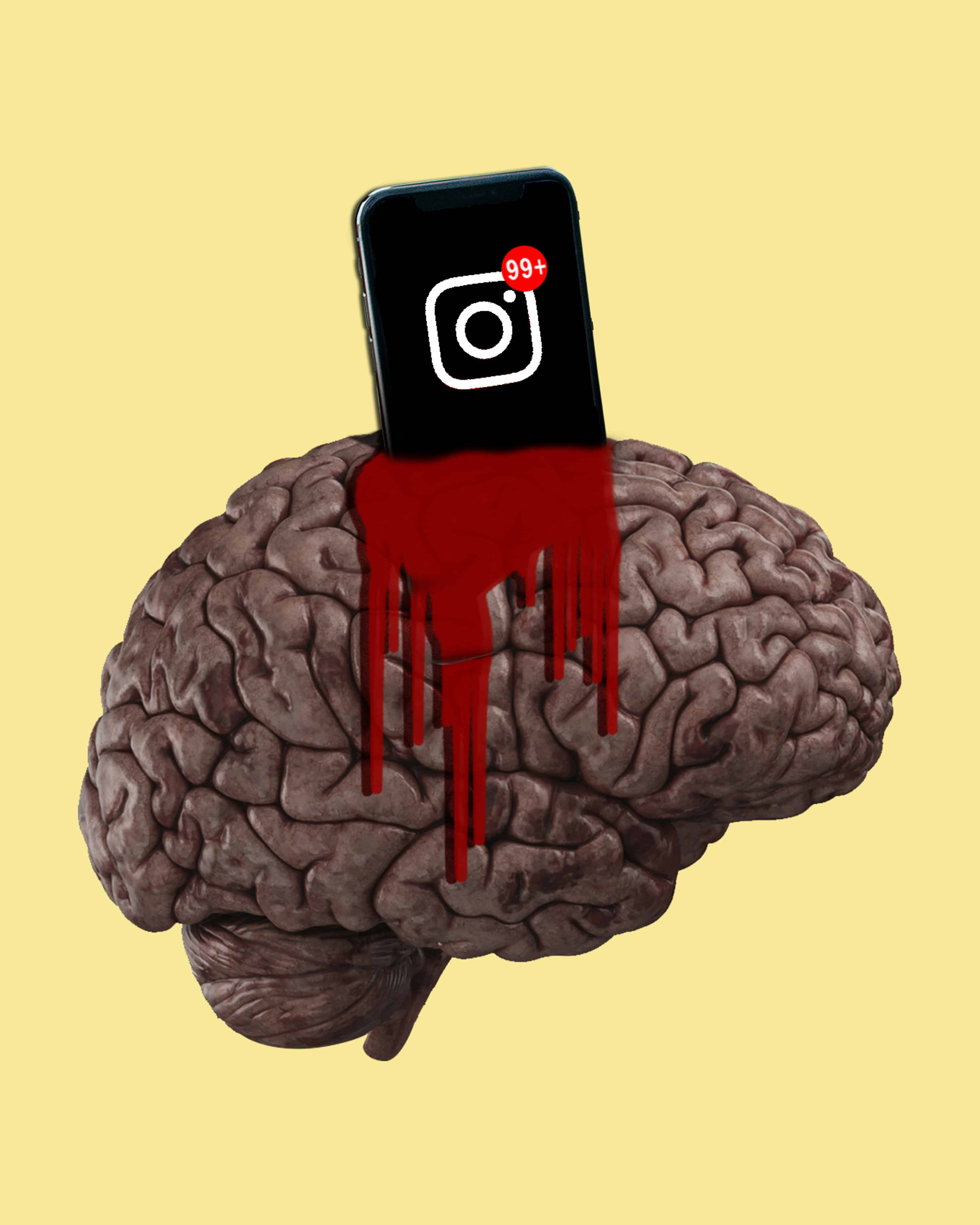
Your child’s social media feed knows more about them than you do. It knows when they’re sad, when they’re bored, and exactly what will keep them doom-scrolling. What started as a tool to share selfies is now a billion-dollar system designed to study their every click. It used to be strangers in parks, but now, it’s the threat in your child’s pocket. Instagram and Snapchat look like fun and harmless apps, but their design is all but innocent. Behind every selfie and snap streak is an algorithm trained to hijack your child’s attention, exploit their self-esteem, and guide their decisions. Today, this function serves as a 24/7 behavioral lab where your child is the test dummy. Every tap and swipe are testing what makes influences them or makes them click and buy.[1]

Before the Storm: When Social Media Felt Safe

When Instagram launched in 2010, its focus was to bring users together, show off talent, share good news, and discover something new. Snapchat followed shortly after, allowing people to share moments in real time, making it feel like you can never be too far away to keep up a connection.[2] For a while, both platforms served as exciting digital spaces for teens to express themselves, keep up with friends, and build their identity during a critical stage of development. That was before the algorithms took over.

Your Child, The Algorithms’ Prey

With time, social media platforms changed and added features to collect more user data and became more addictive. For example, Instagram is no longer a walled garden where users only view the content they search for. Now your child is offered content that their algorithm thinks will keep them hooked on scrolling.

According to the Google Dictionary, an algorithm is a process of calculations, which is usually followed by a computer, to generate problem-solving operations.[3]

Similar to gambling, teens get hooked not by the actual content, but by the mere possibility of upcoming content that can spike their interest for a few seconds longer.[4] Teenage brains are especially vulnerable to dopamine-driven design. Each like or snap streak triggers a small release of dopamine (the brain’s reward chemical).

These dopamine hits reinforce behavior, which grows the addiction to likes, snaps, and screen time. Studies show that likes on social media activate the brain’s reward center the same way winning money or eating chocolate does. The effect is often strongest in adolescents.[5] Check out a similar article on What “Going Viral” Does to Your Brain and Self-Esteem.

Snapchat’s “discover” and “spotlight” tabs work similarly, offering endless videos of curated, attention-grabbing content. These algorithms are powered by machine learning models trained on user data, so that every like, pause, screenshot, and swipe is noted and catered to. Eventually, all of this info is used to create a feed of things your child’s eyes and attention will be glued to for hours on end.

Also, Snapchat’s infamous “Snapsteaks” turn communication into an obligation. Teens often feel pressure to maintain streaks daily, even with people they barely know, just to avoid losing their digital relationships.

Social media has always been performative to some degree. But algorithms now reward exaggerated, filtered, and fake versions of life. Filters that alter facial features and bodies have made it harder for teens to see the difference between real and edited images. The compare and despair dynamic can lead to poor self-image and increasing dissatisfaction among vulnerable kids and teens. External validation through repeated use of social media is linked to increased anxiety, depression, and low self-esteem in adolescents.[6] Check out this GKIS article on how Beauty Filters Don’t Embrace Brown Beauty: The Rise of Colorism.

Take Back the Power

As tempting as it is to ban the use of these apps altogether, it can backfire. Overly punitive responses can promote child secrecy and risky behavior, especially as teens are coming into their own and learning to be more and more independent. Get ahead of it and be their ally by educating them about the hidden risks. Tackle this problem together by taking The GKIS Social Media Readiness Course. Our online course was created for tweens and teens to help them learn safer social media habits and practice better emotional wellness. With these skills, when they come in contact with harmful social media content, they will have their shields up.


Thanks to CSUCI intern, Elaha Qudratulla, for researching and co-writing this article. Check out more of her work here on GKIS:

The Hidden Dangers of Online Grooming: I Was Only 13

Netflix Documentary, Bad Influencer, Exposes Parent Producer Abusing Child Influencers


I’m the mom psychologist who will help you GetKidsInternetSafe.

Onward to More Awesome Parenting,

Tracy S. Bennett, Ph.D.
Mom, Clinical Psychologist, CSUCI Adjunct Faculty
GetKidsInternetSafe.com

Works Cited

[1]https://www.frontiersin.org/journals/sociology/articles/10.3389/fsoc.2020.599270/full

[2]https://doi.org/10.1080/1369118X.2015.1084349

[3]https://www.google.com/search?q=definition+of+an+algorithm&rlz=1C1GCEU_enUS947US947&oq=definition+of+an+algorithm+&aqs=chrome..69i57j0i512j0i22i30l8.10231j0j7&sourceid=chrome&ie=UTF-8

[4]https://doi.org/10.1016/j.tics.2015.09.004

[5]https://doi.org/10.1111/cdev.12838

[6]https://doi.org/10.1080/02673843.2019.1590851

Photos Cited

[Header] Gaspar Uhas on Unsplash

[2] Karsten Winegeart on Unsplash

[3] Soheb Zaidi on Unsplash

[4] Adrian Swancar on Unsplash

[5] Jeffery Kennan on Unsplash

https://unsplash.com/

Do You Know What YouTube Is Showing Your Kids?

Who (or what) makes the content your kids watch on YouTube? In some cases, it’s hard-working creators who strive to make quality videos for entertainment or education. In other cases, it’s a computer program designed to efficiently produce videos for a lot of views and big profit. With this in mind, it is up to parents to ensure that their kids have a safe and fun experience while online. For helpful and empowering tools to establish a safe screen home environment, check out our Screen Safety Essentials Course. Today’s GKIS article tells you what you need to know to make YouTube viewing safer for your kids.

Bots!

Bots are computer programs designed by people or other bots to carry out specific online tasks. Not all bots are bad. However, they can run without any oversight from an actual human being.

One application for bots is creating YouTube videos for kids. More specifically, in this capacity bots combine video segments and post them over and over to test how many views they get. Once the tests are completed, the bot has created and run videos that ultimately make money for the programmer. Now that’s artificial intelligence!

Bot-Made Videos

Bot-made videos can look like a normal kid’s video, but they are typically a bit stranger. They often contain just enough story to string the randomly chosen segments together, but not enough story for everything happening to make logical sense. There are just enough familiar elements to hold a child’s attention but nothing educational or valuable to a child.

These videos distract kids long enough to get them to view ads and may even cause harm. After all, many times a human’s eyes have not viewed the video, and bots can’t discriminate a harmful video from a harmless one. At a glance, parents can’t discriminate either. Plus, most parents simply don’t take the time to preview thousands of videos their kids browse each day – especially from beginning to end.

Using Branded Characters to Bail Kids

One element that gets kids searching and watching are recognizable characters. Although branded characters are used without permission and are placed in a disjointed storyline for the video, kids will select them and stay entrapped expecting entertainment. For example, in her book Screen Time in the Mean Time, Dr. Bennett describes an alarming video portraying popular kid’s cartoon character, Peppa the Pig, screaming while being tortured in a dentist’s chair. The beginning of the video looks like a regular Peppa the Pig story. But near the middle of it, the story takes a confusing, terrible turn. Inappropriate video content make be shocking and even funny to older kids but vulnerable young children don’t have the insight or sophisticated skill set to look away. This can feel like a violent ambush and result in confusion, shame, and trauma.

Auto-play

Kids don’t always view these videos because they searched out the characters. Sometimes it is offered to them automatically in their feed. Auto-play is a YouTube feature where a new video is automatically

started after the one currently playing ends. Auto-play will select a video that is similar to the one you just watched based on tags that content creators mark their videos with when they post them. If auto-play is left on too long, it can lead a viewer down a rabbit hole of similar but stranger and stranger videos until they fall into bot-generated content.

The Algorithm

Unfortunately, bot-made videos and more can slip onto YouTube relatively easily. The huge volume of content uploaded to YouTube every day means that having a human being review every video uploaded to the site would be impossible. Instead, YouTube has another way to filter the content uploaded to its site, a bot of their own.

YouTube’s algorithm is, in essence, a much more advanced form of a bot that can scan through every video as it’s uploaded and automatically flag anything that violates YouTube’s terms of service, or at least that’s what it’s supposed to do. Unfortunately, YouTube’s algorithm can’t detect every inconsistency. It’s looking for the very specific things it was programmed to look for. Videos that don’t contain these specific violations slip by the filters. Many content creators have learned what exactly the algorithm is looking for, and some of them use it to slip inappropriate content past the sensors.

YouTube’s algorithm is also responsible for other features on the site including auto-play. The algorithm is what decides what’s worth showing next after a video, and what isn’t. However, the algorithm is only capable of discerning what videos are similar to others based on the tags assigned to a video. If a bot learns to place all the relevant tags for child content on an automatically generated video, then the algorithm will suggest it as if it were normal child content.

What can you do about bot content?

There are a few things that you as a parent can do to protect your children from bot-generated content:

Check in on your kids when they’re watching YouTube

So you can be sure the algorithm hasn’t drifted too far away from where it started.

Get Help

Monitoring everything your child watches can be a daunting task GKIS is here to help. Our Social Media Readiness Course is designed to teach your tweens or teens how to spot red flags on social media sites and when they’re gaming.

Turn off auto-play

The auto-play feature can be disabled by clicking the auto-play button at the bottom of YouTube videos. The button appears as a small black and white play button and is replaced by a black and white pause button while disabled. By turning off this feature, YouTube will no longer pick the next video your child watches next and instead will wait for you to manually choose the next video.

Limit your child’s time on YouTube

The bot-generated content of YouTube is at the bottom of the algorithm’s list of choices. Children often end up being presented with bot-generated content after spending too much time watching videos on YouTube. Our Connected Family Course has screen management strategies and safe-screen home setup ideas to help you manage your child’s screen time.

If you do catch your kids being exposed to an inappropriate video, report it.

Videos reported to YouTube as inappropriate are reviewed by real people who can catch the video for what it is. An offending video will be deleted permanently and can get the channel it comes from deleted entirely.

Thanks to CSUCI intern, Jason T. Stewart for researching bot-generated content and co-authoring this article.

I’m the mom psychologist who will help you GetKidsInternetSafe.

Onward to More Awesome Parenting,

Tracy S. Bennett, Ph.D.
Mom, Clinical Psychologist, CSUCI Adjunct Faculty
GetKidsInternetSafe.com

Works Cited

Robertson, Adi. “What makes YouTube’s surreal kids’ videos so creepy” The Verge, https://www.theverge.com/culture/2017/11/21/16685874/kids-youtube-video-elsagate-creepiness-psychology

Maheshwari, Sapna. “On YouTube Kids, Startling Videos Slip Past Filters” NY Times, https://www.nytimes.com/2017/11/04/business/media/youtube-kids-paw-patrol.html

Oremus, Will. “Even YouTube’s service for kids is being abused. Can anything control the massive platforms that now shape our lives?” Slate, https://slate.com/technology/2017/11/those-disturbing-youtube-videos-for-kids-are-a-symptom-of-techs-scale-problem.html

Photo Credits

Photo By: Kaufdex (https://pixabay.com/photos/youtube-media-screen-mac-apple-2449144/)

Photo By: Gerd Altmann (https://pixabay.com/illustrations/binary-one-cyborg-cybernetics-1536624/)

Photo By: Gerd Altmann (https://pixabay.com/photos/hacker-attack-mask-internet-2883632/)

Photo By: Markus Trier (https://pixabay.com/photos/homeschooling-school-technology-5121262/)

Kids Commonly Contact Predators on Video Chat

Four out of five GKIS interns this semester admit to visiting dangerous video chat sites as middle schoolers despite parent warnings. Could that mean it’s common these days? After surveying friends, we think so. Parents have no idea what kids are actually seeing and doing during these online chats. Today’s GKIS article is the real story from the mouth of a millennial, where I discuss how we worked around parent supervision and what actually happens in popular chat rooms. Learn what video chat rooms are, the dangers associated with them, red flags to look out for, and just how simple it is for your child to access them. With this information, you can parent smarter and prevent digital injury … our GetKidsInternetSafe mission.

Video Chat Rooms, Sites, and Apps

Video chat is a way to interact face-to-face with anyone around the world through webcams. Video chat rooms are on multiple platforms including online websites and apps on your child’s smartphone, computer, gaming system, or tablet.

To place a video chat call, all your child needs are internet access and a webcam. Video chat sites and apps can also include alternative ways of communication such as instant messaging and chatting through sharing photos. Video chat sites and apps randomly pair your child with another user.

The Most Popular Video Chat Websites and Apps

There are hundreds of video chat websites and apps that are easily accessible. Many video chat sites and apps are free, while others require purchase. The most popular sites include; Omegle.com, DirtyRoulette.com, ChatRandom.com, and Chatroullette.com.

Video chat sites accumulate millions of users a month, with the most popular being Omegle.com with a whopping 34,000,000 monthly visitors.[1] The most popular video chat apps for Android and IOS devices include Badoo, Telegram, and Azar. Similar to video chat websites, these apps are used by millions of people. The most popular video chat app is Badoo, with over 460 million users.

Why We Did It

Kids love discovery and novelty. Just as they would visit random neighborhoods in town if they could drive, they love to browse random neighborhoods on the internet if they have access. Get them with their friends and they’re even more reckless and bold. That is why we offer our GKIS Screen Safety Toolkit. Parents told us they felt overwhelmed by the number of parent-management tech options, so we made it easy for you. The GKIS Screen Safety Toolkit is a family-tested, outcome-based resource guide with our best recommendations, how-to information, and links to our favorite easy-to-onboard parental control systems. With the toolkit, you’ll be set to create the custom screen safety toolkit for your unique child. Managing your child’s access is a first step toward protecting them from dangerous choices.

Our parents didn’t have these resources. That’s why we were video chatting with strangers by middle school. When I was thirteen years old, using Omegle and Chatroulette was the fun thing to do. My friends and I would go on during sleepovers and after school hangouts. Occasionally, I would even access it late at night when I was alone in my bedroom.

We did it because it was funny and exciting. We were kids having face-to-face conversations with complete strangers; it was interesting to us. We felt like we were the ones in control, and we always felt relatively safe. Disgustingly, a majority of the random connections would connect us to older males masturbating in front of the webcam. They would continue touching themselves even when they could clearly see just how young we were.

In my personal experiences, whenever a creepy man would be touching himself, my friends and I would quickly hit the skip button in hopes to be connected with a clothed person we could talk to. But there were also times when we would chat with one of those perverts and let them know how disgusting it was.

Now that I’m in my 20s, I realize just how dangerous and repulsive our online experiences were. Luckily, nothing horrible happened to us. But if I or a friend would have shared enough information or decided to meet up with someone we met from Omegle or Chatroulette, it could have been devastating.

Dangers of Video Chatting with Predators

Psychological injury can result from children viewing sexual behaviors or being groomed by predators online. It’s not uncommon for kids to be coerced to reveal identifying information like where they live, where they go to school, and who their friends are. From there, some predators will persuade their victims to meet up in person, which can lead to a number of dangerous possibilities.

Red Flags That May Signal Risk

Your child interacting with a predator may go unnoticed, but there are a few red flags that you can look out for. For example, your child may be at risk if they

  • become secretive about what they were doing online or change screens the minute you walk into the room,
  • regularly deletes their browser history or their browser is typically on private browse,
  • spend a lot of time on the phone or computer, or
  • seem nervous when asked if the parent can check their history or search their phone.

For a more comprehensive list of child red flags, check out our Cybersecurity Red Flag Supplement. Three-tools-in-one, this supplement to your free Connected Family Agreement offers:

Our GKIS CYBERSECURITY SUPPLEMENT – Did you know that kids are the #1 targeted population for identity theft? That’s because the cybercriminal can benefit from fraudulent charges for years before the victim discovers it. Protect your family from hacking, scamming, malware, and phishing with our cybersecurity setup guide and best practices checklist (at home and while traveling).

PLUS

Our GKIS ONLINE SAFETY RED FLAGS FOR KIDS & TEENS – Parents in my clinical and coaching practices frequently ask me to teach their kids the red flags that may alert them to the tricks of online predators, hate groups, and cyberbullies. I offer you my clinical teaching list so you can educate your kids. Knowledge and assertiveness coaching are key elements of child resilience and good judgment online.

PLUS

Our GKIS ONLINE SAFETY RED FLAGS FOR PARENTS – Parents need to know the behavioral red flags that may signal their child is suffering a digital injury. This tool teaches parents what child behaviors to look for that may signal they are at risk – a tool I created from 25+ years of clinical practice. Being able to recognize behavioral red flags in your child may be the difference between stopping risk after one exposure versus not recognizing dangerous relationships and exposures until it’s too late.

With parent management tech tools, cybersecurity awareness, child education, and parenting tools to recognize risk, you are far better equipped to block anonymous strangers from predating on your kids.

Thanks to CSUCI intern, Remi Ali Khan for researching video chat websites and apps for this article.

I’m the mom psychologist who will help you GetKidsInternetSafe.

Onward to More Awesome Parenting,

Tracy S. Bennett, Ph.D.

Mom, Clinical Psychologist, CSUCI Adjunct Faculty

GetKidsInternetSafe.com

Photo Credits

Photo by Andrea Piacquido from Pexels

Photo by Julia Cameron from Pexels

Works Cited

[1] ChatHub. (2020, February 13). Top 12 Sites Like Omegle in 2020 (Ordered by popularity). Retrieved September 29, 2020, from https://blog.chathub.cam/top-12-sites-like-omegle/