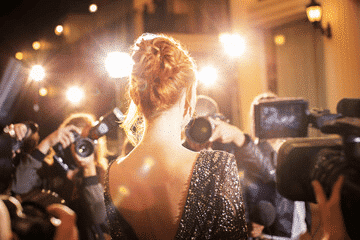
So many of us follow our favorite celebrities on social media hoping to get small glimpses of their private lives. But have you ever wondered, where’s the line between fandom and obsession? Tweens and teens are especially vulnerable to developing parasocial relationships with celebrities they love online. Because of their fame, celebs can influence followers in some of the worst ways. To prevent your child from being negatively influenced by others online and to create a strong digital foundation, check out our Screen Safety Essentials Course. Today’s GKIS article covers what online parasocial relationships are and how to prevent their negative influence on kids and teens.
What is a ‘Parasocial’ Relationship?
A parasocial relationship is a one-way relationship with a person of higher status who you know intimately but who hardly knows you at all.[1] Social media is the perfect vehicle to develop parasocial relationships. Younger tweens and teens are especially susceptible due to a powerful social drive fed by adolescent identity formation. Not only are teens looking for mentorship, but they also easily form an attachment to idealized versions of their favorite celebs.[2]
Social media features that readily fuel parasocial relationships include the attraction of stylized and beautifully edited posts, branding relationships between celebrities, produced dramas between celebrities designed to bring in more followers, fan comments and forums, and even the ability to send private messages. Studies show that adolescents that have a weaker sense of self-identity often participate in celebrity worship as they are more easily influenced by others.[2]
‘Stan Culture’
Fans aim to achieve closer relations with their favorite celebs through various consumption activities.[1] Twitter is the social media site with the largest number of users who participate in celebrity worship, which is also known as a stan. A Stan is an overzealous or obsessive fan of a particular celebrity. Primarily a term used to define a fan of a particular musical artist, there are Stans for just about any popular current artist you can think of. Stan culture on Twitter consists of individuals sharing fanmade videos and pictures and consuming as much of the artist’s content as possible.
There is also a dark side to Twitter’s Stan culture. Arguments between Stans of different celebrities frequently appear in comment sections, which eventually turn into cases of cyberbullying. Studies have found that intense celebrity worship can be linked to tendencies toward addiction and stalking behaviors.[3] What seems like innocent fan engagement could potentially lead to something more negative and even illegal.
Defending Harmful Messages
Well-known celebs have the freedom to post whatever they want on the Internet, just like the rest of us. Although they aren’t obligated to maintain a certain image, sometimes they promote harmful ideologies that influence fans who’ve developed parasocial relationships with them.
The most recent example is rapper Kanye West, who has been at the forefront of recent celeb controversy. In October 2022, Kanye made some anti-Semitic remarks based on conspiracy theories and harmful stereotypes in interviews and Instagram posts. This resulted in groups of people in Los Angeles standing with signs over freeways saying harmful anti-Semitic things shortly after the comments circulated on the Internet. One of the signs said that Kanye was “right” about what he said about Jewish individuals. Amongst the backlash that he received, there were die-hard fans that stood their ground and continued to defend his actions. This led some fans to adopt his conspiracy theories and ideals at worst and turn a blind eye to such ignorance at best.
Impressionable Teens and Tweens
Other celebrities have also promoted problematic ideas with the support of fans who adore them. This is a problem primarily for young tweens and teens due to their lack of real-world experiences and their evolving views of the world around them. Being negatively influenced by celebrities online can have serious risks.
How to Discourage Parasocial Relationships
There is a difference between being a fan of someone’s work and developing an obsessive parasocial relationship with them online. Having conversations with your kids about the importance of navigating the Internet safely is a good place to start. Our Connected Family Course can help with that. It includes the tools necessary to monitor and promote healthy screen engagement while still maintaining a positive environment at home.
Young teens and tweens who are still learning about the world could be exposed to ignorant comments from their favorite celebrities and could potentially become influenced by them. In the worst case, teens become radicalized in their thinking without their parents even knowing. To prevent your tweens and teens from engaging in ignorant and harmful content online, check out our Social Media Readiness Course. Our course provides you and your child with the knowledge necessary to safely browse the Internet and avoid ignorant and harmful content, as well as how to make healthy digital decisions.
Learning the ways of the Internet doesn’t have to be a daunting task. Dr. Bennett’s book Screen Time in the Mean Timeis another great tool for parents to use to become more knowledgeable about the unpredictable online realm. This book can further prepare you for establishing a safe environment for your tweens and teens to express their love for their favorite celebrities/artists online.
Thanks to CSUCI intern Tracy Pizano for researching the risks of forming parasocial relationships and for co-authoring this article.
I’m the mom psychologist who will help you GetKidsInternetSafe.
[1] Derbaix, M., & Korchia, M. (2019). Individual celebration of pop music icons: A study of music fans’ relationships with their object of fandom and associated practices. Journal of Consumer Behaviour, 18(2), 109–119. https://doi-org.ezproxy.csuci.edu/10.1002/cb.1751
[2] Ang, C.-S., & Chan, N.-N. (2018). Adolescents’ views on celebrity worship: A qualitative study. Current Psychology: A Journal for Diverse Perspectives on Diverse Psychological Issues, 37(1), 139–148. https://doi-org.ezproxy.csuci.edu/10.1007/s12144-016-9497-0
[3] Sansone, R. A., & Sansone, L. A. (2014). ‘I’m your number one fan’—A clinical look at celebrity worship. Innovations in Clinical Neuroscience, 11(1–2), 39–43.
Did you know that a robot has been given legal citizenship and personhood? People are obsessed with lifelike robots and dolls. What makes us so fascinated with objects that resemble us? In this GKIS article, we will be exploring several types of lifelike automatons and dolls as well as the psychology behind our obsession with them. If you are unsure of how to protect your tweens’ and teens’ growing reliance on technology and obsession with online presence, Dr. Bennett’s Social Media Readiness Online Course will give you the answers you are looking for and help you to navigate through these ever-changing waters!
What is the difference between an automaton and a doll?
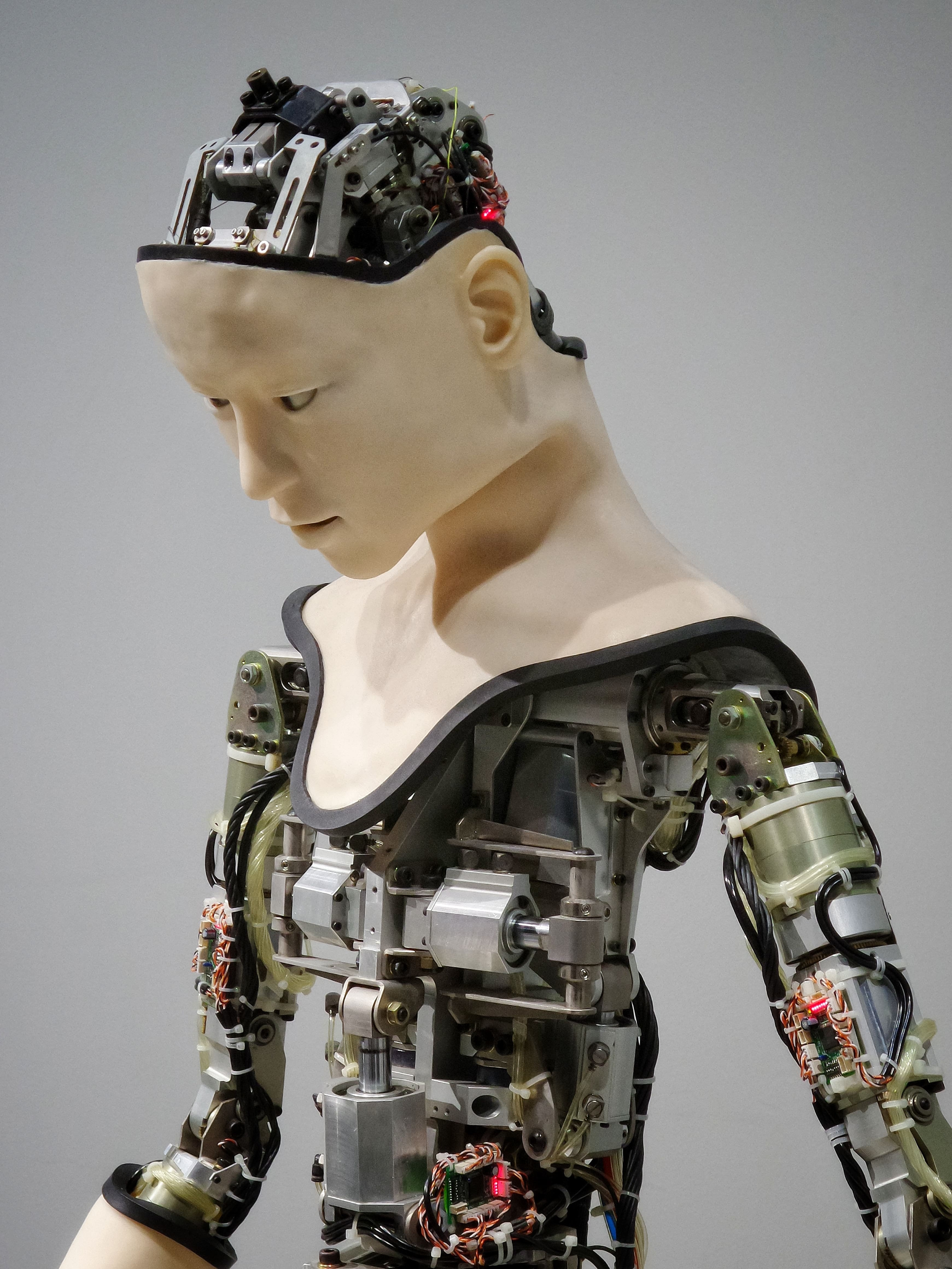
While some may use the words interchangeably, there is a huge difference between an automaton and a doll. Most importantly, automatons are mechanized robots, while dolls do not move by themselves. Another important difference is the trend to integrate artificial intelligence (AI) into lifelike automatons. Artificial intelligence is a program that allows a computer to mimic the human mind, which allows it to make changes to itself. The advancement of artificial intelligence has stoked new interest and debate about morality and personhood. After all, the more advanced artificial intelligence gets, the more these robots resemble actual humans. It may not be too far off until we see a robot that possesses an actual consciousness.
Sophia
Sophia is one of the most famous lifelike robots in the world. She is an ultra-realistic humanoid robot with advanced artificial intelligence. She can hold conversations with people and has been on several press tours and has done numerous interviews where she converses with people and discusses what it is like to be her. She has even been on the Tonight Show with Jimmy Fallon. Honestly, it is pretty trippy to watch.
While the fact that she can hold intelligible conversations with people is impressive, it is even more monumental that she has citizenship. In 2017, Saudi Arabia gave Sophia citizenship, making her the first AI to be given legal personhood and human rights.[1] While this may be more of a marketing strategy for Hanson Robotics and positive publicity for Saudi Arabia, the fact remains that a robot has been given legal autonomy.
Erica
Lifelike robots are also being considered as labor options. Erica is a robot developed by roboticist, Hiroshi Ishiguro. She has lifelike skin, hair, and facial expressions. Like Sophia, she also utilizes AI to hold conversations, read, and recognize human faces. She currently has her own YouTube channel and appears on television in Japan as a news anchor.[2] While she can not move her limbs, she can move her neck and waist to turn toward people. Erica’s lifelike facial movements and ability to read and recite the news have given her a bit of celebrity status in Japan.
Sex Robots
Did you know there is a huge market for sex robots? Sex robots are lifelike, anatomically correct androids that are built for pleasure. These robots can be ordered to look and sound however the buyer wants. They can also be programmed to say specific phrases and respond in specific ways. They can also run different scenarios to simulate realistic experiences. Unfortunately, rape scenarios are available. If you are curious about sex robots, look out for my upcoming article here on GKIS.
Reborn Dolls
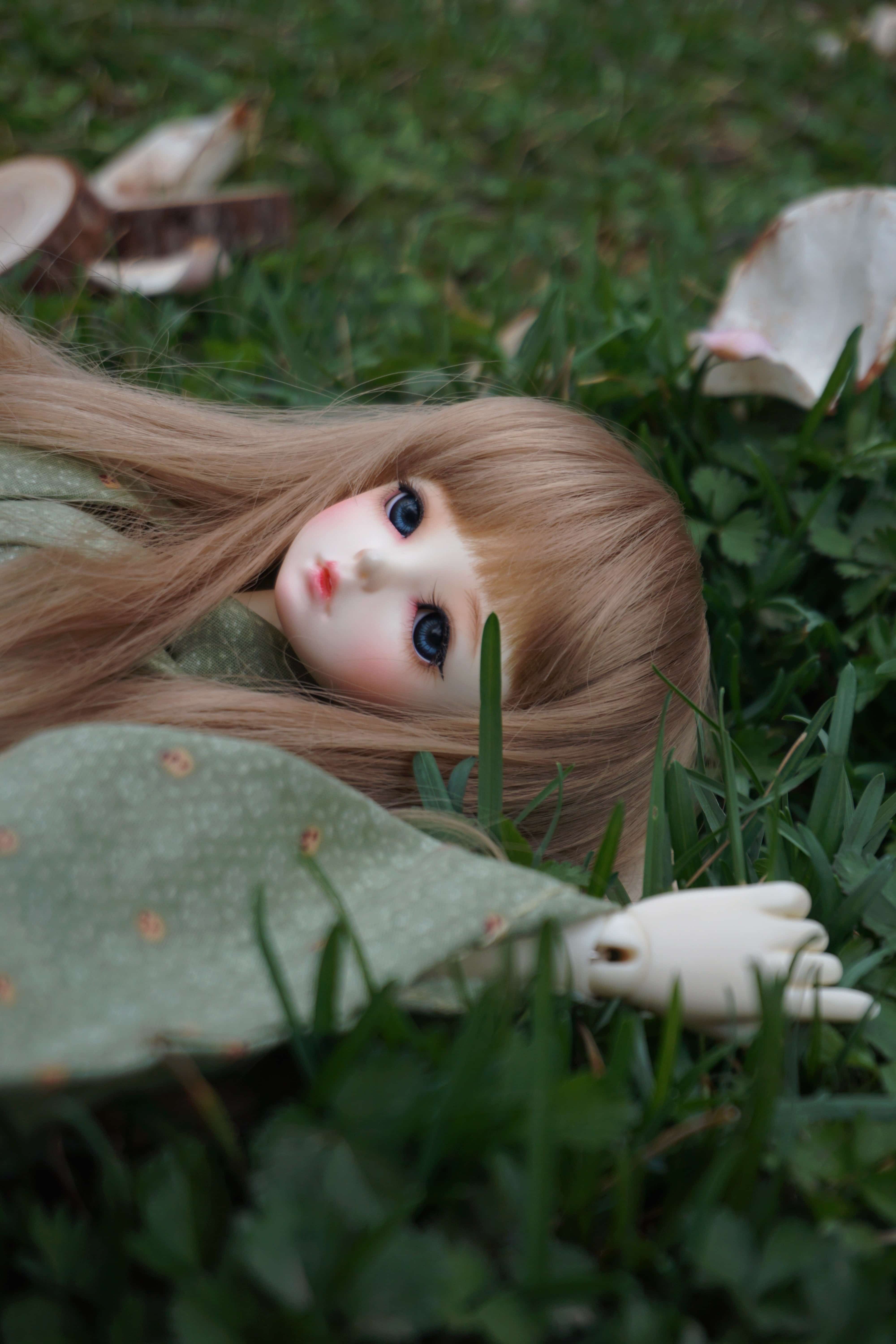
Reborn dolls are lifelike dolls made by artists, that usually resemble babies or toddlers. These dolls are extremely realistic and have garnered an entire subculture of fans who are dedicated to them. While they do not move, speak, or communicate in any way, the people that own them treat them as if they were real children.
Some people use these dolls for therapeutic purposes. There have been instances where mothers who have lost their babies have had lifelike dolls made in their child’s likeness to deal with their grief. They have also been used to deal with infertility, miscarriages, and depression.
Super Dollfie
Volks is an action figure/doll company that makes anatomically correct, hyper-realistic figures. If you are having a hard time imagining this, think Barbie with all the naughty bits. These figures are highly sought after by collectors and go for exorbitant prices. They are extremely customizable, and you can even buy clothing for them that is more finely detailed than most of the stuff in the average person’s closet. The attention to detail on these things is insane. All the clothing, hair, and body parts can be changed out to make the doll look however you want it to.
Possible Reasons Why People are Obsessed with Lifelike Robots and Dolls
People are curious by nature
People get lonely
People look for connection and meaning everywhere
There is no risk of rejection
Some people have social anxiety
Staying Informed and Keeping Your Family Safe
Dr. B is in a unique position to help you to learn more about the potential dangers that your family could face when engaging with the internet and technology. As a practicing psychologist, university professor, and mother, she can help you and your family safely traverse the digital world we live in.
In Dr. B’s book, Screen Time in the Mean Time, she discusses and attacks the issue of raising a family while safely integrating technology rather than fearing it. Also, you can download the free GKIS Connected Family Agreement simply by creating a GKIS account on our website home page. If you are looking for other fun and informative stories, check out the GKIS Blog. For other useful tips about how to make the internet a safer place for your family, you can get parenting and family coaching information, support, and other valuable information from the GKIS Screen Safety Essentials Course.
Thanks to CSUCI intern, Michael Watson for researching lifelike automatons and dolls.
I’m the mom psychologist who will help you GetKidsInternetSafe.