
Need peaceful screen time negotiations?

Get your FREE GKIS Connected Family Screen Agreement

cyberbullying

I Survived a Nightmare: A Story About Teen Bullying and Sexual Abuse

GetKidsInternetSafe offers online courses for parents to prevent digital injury and personal coaching with Dr. Bennett for families who want personalized intervention. However, sometimes parents don’t know what can happen as the result of screen use. Kaitlin is a beloved GKIS intern who boldly offered to share her personal trauma with cyberbullying. There’s so much for us to learn here! Here is Kaitlin’s story:

When I was little, I was bullied for countless things I couldn’t control – my clothes, body, skin tone. But, I never thought that I’d be bullied for my sexual trauma. Here’s my story with preteen and teenage bullying.

When I was in middle school, social media had just begun. It was 2008, and Myspace was the popular platform most teenagers used to connect with friends … and strangers. Myspace was an interactive microblog online platform that allowed you to design your own profile, choose your own music, and share with friends. Users posted bulletins to let everyone know if you were fighting with your mom or had a turkey sandwich for dinner; oversharing was common.

My parents were relatively strict, so Myspace was out of the question in middle school. But everyone was using it, so I snuck it. One day I had a notification from an older high school boy. This actually blew my 13-year-old mind. I couldn’t believe a cute, older boy would want to be myfriend. Flattered and confused, I accepted his request. I found out later in class that a bunch of my close friends had received the same friend requests.

We were preyed upon.

I didn’t know that though; I was thirteen-years-old! A couple of months passed and one of my friends was invited to a high school party by one of the older boys. We couldn’t believe it. There was one problem though, my strict parents. So I lied and said I was going to a friend’s sleepover.

Lying to my parents about my online account was definitely my first mistake. Lying about the sleepover was my second. When we got to the almost-all-guy party, we were clearly the youngest people invited. For whatever reason, that didn’t strike us as odd. I think it was our innocent minds and deep desire to be “cool” taking over. Alcohol was abundant, and we all got very drunk. One of the high school boys kept giving me alcohol and telling me that I was the prettiest girl he had ever seen. He said that I was “very mature” for my age, and that none of the high school girls were as “cool” as me. I don’t remember much, but what I do remember is hot pain. Being taken into a room and forced to do something I didn’t understand. I was raped that night. That was the night I lost everything.

Ultimately, he was charged and got five years of probation and community service. I got lifelong trauma that I can now finally talk about. My parents offered to send me to a private school, because I had just promoted from eighth grade and would be attending the high school that my abuser had just graduated from. I was too young to realize what I would soon face, and I relentlessly fought to stay with my friends. I didn’t want to be alone.

This is actually where my story begins, when I transitioned from an eighth-grader to a freshman in high school. While the trial was happening my story spread throughout town. Somehow the story got turned around with me being a “whore” who easily “put out.”

I was bullied relentlessly by seniors who were friends with my sexual abuser. Prank callers would tell me I was “fake” and messages on Myspace told me to kill myself, that if I had any “balls” I’d do what everyone was thinking and “end it all.”

After years of therapy, great college friends, and understanding boyfriends, I have been able to recover from this horrible trauma that occurred 10 years ago. Looking back, I really wish that I’d had a closer relationship with my parents. I never told them what was happening once I was enrolled in high school, because I was embarrassed and felt like they wouldn’t understand. I didn’t understand that something could have been done about the way I was being treated.

Age prey is common.

I had no idea how common age prey was until I scrolled through Twitter and saw many similar stories to mine. Younger women are preyed upon by older men, and they can be manipulated into believing that they are loved. Knowing who your children and teenagers are talking to online is extremely important for their safety.

Communication is key.

I was not a very expressive child. I intentionally pushed my parents out, and for that I suffered terribly. The most important message I can share from my story is that building your relationship with your children is IMPORTANT. Establishing trust and boundaries must start at an early age. Allowing your children to express themselves about what is happening at school without discouragement or punishment is mandatory in order to gain trust.

Ask questions and reassure them that you are there to help and listen. Consider establishing Dr. B’s #NoTechTuesdays, so your kids develop rich nonvirtual lives and don’t become too dependent on virtual communication.  And please, keep trying to maintain an active relationship even when talking gets difficult.

Along with asking about specific friends and activities, relationship-building questions include:

  • “How was your day at school?”
  • “Did anyone hurt your feelings?”
  • “Is there anything/anyone bothering you?”
  • “If anyone is being mean to you, you can always tell me.”
  • “Is anyone pressuring you?”

Teach your boys and girls that coercion is NOT consent.

Sexual coercion means using manipulation, pressure, alcohol, drugs, or force to have sex. It’s illegal. We’ve all heard that “no means no.” What if someone keeps pushing an intimate act and won’t give up? That is also a form of coercion. Not saying “no” is not consent. Consent is a sober and thought-out “yes” with the option to discontinue the activity at any time in the process. Educate your kids about the concept of coercion and consent. Basic sex education is not enough.

Thank you to CSUCI Intern, Kaitlin Hoover for contributing this article. Need some tips about how to offer sensible sexual education to your kids? CLICK HERE to check out our GKIS Sex Ed Series.

I’m the mom psychologist who will help you GetKidsInternetSafe.

Onward to More Awesome Parenting,
Tracy S. Bennett, Ph.D.
Mom, Clinical Psychologist, CSUCI Adjunct Faculty
GetKidsInternetSafe.com

Photo Credits

Photo by @szolkinon Unsplash
Photo by @louiscesaron Unsplash

Instagram is the New Dating App

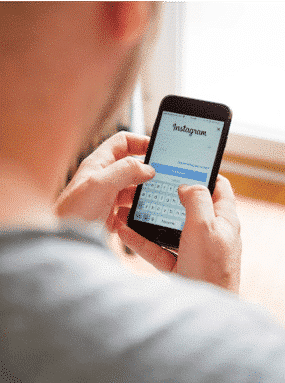
Did you know that Instagram has become a popular dating app?[10] As Tinder users transition to Instagram, child profiles may be increasingly viewed in a sexualized way by strangers. Unlike traditional dating apps, Instagram doesn’t have the stringent age restrictions. Find out what you need to know if your kids or teens have Instagram. Haven’t implement social media rules yet? Dr. Bennett’s Connected Family Online Course is a MUST have for families with school-age kids.

Instagram partners with Tinder.

Tinder is a dating app that allows users to peruse the profile of a potential hookup or dating partner. Swipe left if you’re not interested and right you are. Mutual right swipes opens opportunity for private messaging.[7]

Instagram, on the other hand, is a social media profile that allows users to share images and create a profile displaying their posts. Users can upload to their story, which lets others see what they are doing without posting to their profile. Stories disappear within 24 hours. Public profiles can be viewed by anyone, not just friends; while users must send a friend request before gaining access to posts on private accounts. Other features include direct messaging and live streaming.

In 2015, Instagram partnered with Tinder in response to users increasingly recognizing its advantages for dating and sex, providing more communication features and access to a larger user population.[20]Linking the two social media platforms allows other Tinder users to view your most recent Instagram posts.[9][11]

Previously Tinder accounts provided only basic information (first name, employment, education level, and bio), only allowing you access to other profiles when both users have swiped right.[13] In contrast, on Instagram users can choose what and how much they share about themselves on their profile, allowing all users to view your profile, unless the account is private.

Tinder profiles now include:

  • user’s location
  • multiple photos
  • city
  • gender
  • age (optional)
  • connection to Instagram profile (optional)
  • top Spotify artists (optional)
  • boomerangs (optional)
  • Tinder Gold (in-app purchase)

Are teens using dating apps?

  • 60% of dating app users are between the ages of 18-24.[32]
  • The largest demographic on Instagram is males between 18-24 years old.[33]
  • US college students are turning to dating apps when bored or in need of a confidence boost.[2]
  • By the year 2040, an estimated 70% of coupleswill meet online.[3]

Dating App Fatigue

Why not just stick with Tinder? Experts posit that the change may be in response to dating app fatigue.[2] Studies have found that 32.9% of Tinder users delete the app within a day of downloading it.[3] Also, other dating apps do not provide the same amount of discretion and mystery as Instagram dating. Instagram allows its users to look for a romantic partner without everyone knowing they are on the market.[8]

Instagram Features that Facilitate Dating

Instagram is one of the main sources of social interactions for young people due to the following intuitive and useful features:

Stories feature (disappear in 24 hours):

  • Allows users to know who views their stories daily[2]
  • Remarkably low-risk ability to engage with a stranger or someone you’ve previously met in a seemingly spontaneous way (manner)[3]
  • Allows control over who can view your stories[4]
  • Offers a place to engage in a new form of casual stalking[6]

Direct Message (DM):

  • Messages come from people that the user knows, not a stranger.[6]
  • Provides a false sense of security, especially for kids

Profile:

  • The shift from viewing only those who have swiped right to seeing all profiles that are not private, provides users with a larger pool of dating options.

Explore Tab:

  • Caters to what you are used to seeing by showing users similar profiles to the ones they are viewing regularly.
  • Makes it easier for strangers to approach strangers.
  • Pops up random profiles that you would be interested in but may not have found on your own.
  • Gives people the opportunity to approach others that wouldn’t have had the opportunity to on other less popular dating apps.

Tindstagramming

“Sliding into someone’s DM” is the result of Instagram becoming a combo social media/dating app.[6]This refers to reaching out through someone’s direct message when romantically interested. DMs allow the user to hide behind their carefully crafted virtual identity.[9]

Engaging in tindstagramming is becoming more popular. Once-refused users on Tinder now have another shot at potentials on Instagram.[6]Some Tindstagrammers ignore the consensual component that comes with dating in real life.[7]This annoying trend was made easier when the two platforms partnered.

InstaDating

If you like someone, why bother with the complications of real-life flirting? Simply pressing a “like” button on Instagram is equivalent to giving someone a compliment. But it gets pretty subtle. For instance, if you “like” multiple photos it tells that person you are interested in more than friendship. Want to walk up to someone you think is cute and say hello? Now all you have to do is post a comment. The biggest telltale factor of dating on Instagram is when you start DMing. This is where the real flirting starts, and you know that the person is trying to make a move.[4]

Instagram is now our very own advertisement for our dating life.[4] The problem lies in the curation of our personalities online. If we form a connection with someone, they will only know the parts of us that we have shared (or falsely fabricated). So many features, so many options for your perfected virtual identity.

Statistics reveal that tinstagramming is catching on. A 2018 survey of men ages 18-35 found:

  • 14% claimed to use the site to find dates
  • 30% said they use photos from the site to masturbate
  • 7% have paid for nude photos/videos on Instagram
  • 5% have paid for sex on Instagram[20]

Hashtags are used to let others know you are looking to date:

  • #hookup
  • #sex
  • #davido
  • #chefchi
  • #lagos[30]

Instagram Dating Lingo

I have found it shockingly common for people to admit they met their partner on Instagram. Now that Instagram is so highly associated with dating, terms have been coined to describe different things couples do.

Here are new terms every parent should know:

  • Thirst Traps: A thirst trapis either a seductive video or image that’s posted to draw attention from people and receive approval.[4] When dating online, this could be the equivalent of dressing very promiscuously and going out to dance.
  • Sub-gramming (subgram):Subgrammingoccurs when someone posts photos on their profile that they have talked about with the person they are dating. They have not experienced it together, but it is in some way personal to them.[29]
  • Twinstagramming:Twinstagframmingis when both people in a relationship post the same (or practically identical) images. This allows others to insinuate that the two are dating.[29]
  • Orbiting: Orbitingis in a sense the opposite of ghosting. It takes place when, even after communication has ceased, someone continues to watch your stories daily. This is done when someone is still somewhat interested and wants to keep you as an option. However, they choose not to pursue you.[26]

Changes Seen in Real Life Dating

The social acceptance of online dating is a far cry from the negative stigma that used to be associated with it. Flirting also has less pressure associated with it. If you get rejected or ignored, simply try again. So many profiles to choose from…

Since 2017, posting a photo and becoming “Instagram official” has become a common practice for monogamous relationships.[29] Our children’s idea of chivalry is turning into whether their significant other watches their Instagram stories.[24]

It is also changing the way people show their affection in relationships. Users know their relationship is ill-fated when their companion stops viewing their stories.[24]

What to Teach our Kids

A new potential problem with Instagram becoming a dating site is the risk of more sexualized content and predatory people kids may encounter. If your child is at an age that you think dating is appropriate, there is more to teach them than there has been in the past. It’s better to have you teach your children these things than have them turn to outside sources for possibly misguided information.

What you can do:

  • Establish with your child what it looks like when someone cares for you.Make sure they have a firm grasp on reality. Explain to them how they should be treated in a relationship.
  • Help them create and maintain confidence and feelings of self-worth.Help them by facilitating engagement in tasks that are creative and fuel the soul.
  • Offer healthy off-screen hobbies when boredom strikes
  • Remind them you’re there.Avoid soul-killing lectures. Instead engage in fun, mutual conversations and encourage mutual story-telling. Challenge them to form their own opinions and encourage assertiveness. If they speak up to you, they’re more likely to speak up to dangerous others. Most of all, never let them forget that your love for them is unconditional.

How to Keep Your Child Safe on Instagram

  • Set account to private.
  • Use two-factor authentication. This offers more security upon login by requiring a password and your mobile device to access.[16]
  • No last name, identifying information or sexualized photos.
  • Control who views posts. Block anyone that you do not want to see your child’s posts (additional precaution to a private account).
  • Turn off location settings.[15]
  • Require that your child only friends people they know.
  • Report anything that makes you feel that your child’s safety is at risk.
  • Check your child’s account regularly. Remember, kids commonly have more than one Instagram profile (public, private, and finstagram).

Thanks to Sara Doyle for researching and writing this article. If you want to learn more about the dating app that has partnered with Instagram, check out this article on Hookup Apps: The GKIS Sensible Parent’s Guide to Tinder.

Onward to More Awesome Parenting,
Tracy S. Bennett, Ph.D.
Mom, Clinical Psychologist, CSUCI Adjunct Faculty

Works Cited

[10] NZ Herald. “Lee Suckling: Why Instagram is the new Tinder” Lee Suckling, 2018.

[20] Mirror Techology. “Insta-bang? One in 20 men has PAID for sex on Instagram, survey reveals.” Shivali Best, 2018.

[3] Google. “Instagram is the only dating app we’re all using.” Dane Maximov, 2018.

[2] The Future Laboratory. “With real-life encounters still considered an unreliable means to instigate romance, Instagram makes sense as a more practical tool for match-making.” Holly Friend, 2018.

[32] Recode “Tinder and Instagram are ‘crippling’ relationships, sex therapist.” Eric Johnson, 2018.

[33] Google. “47 Incredible Instagram Statistics.” Kit Smith, 2019.

[6] Mashable. “Sliding into Instagram DMs is the new way of digitally flirting,” Rachel Thompson, 2017.

[7] Independent. “‘Tindstagramming’ is a new dating trend – and it needs to stop.” Olivia Petter, 2017.

[9] New York. “The Scourge of the Tindstagrammer: Tinder Rejects Who Creep on Instagram.” Paris Martineau, 2017.

[13] Refinery 29. “Tindstagramming Is The Creepy New Dating Trend You Need To Know.” Natalie Gil, 2017.

[11] VIDA Select. “How To Link And Disconnect Tinder From Instagram”

[8] Digital Trends. “First comes Instagram, then comes love: Why Instagram is displacing dating apps.” Molly McHugh, 2013.

[4] The New York Times. “Instagram Is Now a Dating Platform, Too. Here’s How It Works.” Valeriya Safronova, 2017.

[30] Google. “Hashtags for #hookup” 2017.

[29] Medium. “Going “Instagram official” is the new way to declare your relationship status.” Taylor Lorenz, 2017.

[26] HuffPost. “I Gave Up Dating Apps And Caught The Man Of My Dreams In A Thirst Trap On Instagram” Emily McCombs, 2018.

[24] “The New Dating Requirement: Consuming All of Your Partner’s #Content” Taylor Lorenz, 2018.

[16] Instagram Press. “Tips for Staying Safe on Instagram by Instagram Info Center.” Instagram Press, 2017.

[15] Mothers Circle. “5 Instagram Safety Tips for Teens.” Ali DeCesare, 2013.

Photo Credits

Photo by Jéssica Oliveira on Unsplash

Photo by Katka Pavlickovaon Unsplash

Photo by Fancycraveon Unsplash

Photo by João Silason Unsplash

Photo by Fancycraveon Unsplash

How Online Parent Pranking May Be Child Abuse

There is a YouTube/TikTok trend of parents pulling pranks on their kids for viral shares. Some appear to be innocent jokes. Others are recordings of parents screaming at their children while the kids cry. Debates fill comment sections on how wrong it is to capitalize on “bullying” a vulnerable child. Professionals argue that this “comedy” violates trust and traumatizes children. It has even been argued that sharing milder pranks is still harmful, exposing children to the cruelty of internet trolls. In contrast, fans of the pranking videos complain that people need to lighten up. After all, we survived similarly harmless pranks when we were kids. Read this article and ask yourself, “When is the line crossed between comedic relief to child abuse?”

YouTube’s Response

YouTube videos go viral, fast. The comedy of pranking gives videos an extra boost in popularity. Yet, they got so out of hand that YouTube clarified their child safety policies in January 2019. They added that the mere perception of endangerment or vulnerability is unacceptable:

“We’ve made it clear that our policies prohibiting harmful and dangerous content also extend to pranks with a perceived danger of serious physical injury. We don’t allow pranks that make victims believe they’re in serious physical danger – for example, a home invasion prank or a drive-by shooting prank. We also don’t allow pranks that cause children to experience severe emotional distress, meaning something so bad that it could leave the child traumatized for life.”[1]

The Invisibility Prank

The invisibility prank was a fad for some time. In these pranks, families were videoed as they deceived children into believing that a magic chant made them disappear.[4]

Here’s how it worked:

First, the main pranksters let family members in on the joke so they can play along. Then the pranksters volunteer the child for a “disappearing magic trick.” The child sits on a chair in the middle of the room while the audience surrounds him. The magician covers the child with a blanket, and says three magic words, then ta-da! This is the audience’s cue to act completely surprised that the trick worked. Some get angry saying, “This isn’t funny! Bring him back!” Others gasp in astonishment. Whenever the child touches someone, they pretend to be spooked by this unseen force. The biggest part of this prank takes place when the pranksters ask the child to take a picture. The child doesn’t know the pranksters staged the picture beforehand. The fake picture shows the prankster’s arm hugging nothing. That empty space is where the child was supposed to be. The child sobs at this point because they’re desperate for acknowledgment.[2]

The Martin Case

An infamous case of YouTube pranking is that of the YouTube channel “DaddyoFive.” After their local county received several citizen complaints, the YouTube couple lost custody of two children in 2017. A county judge sentenced Michael and Heather Martin to five years of probation on child neglect charges. A neuropsychologist determined that the children experienced “observable, identifiable, and substantial impairments of their mental or psychological ability to function.”

The Martins had over 300 videos of them verbally, mentally, and or physically abusing their children for “pranks.” The Martins pleaded that the pranks supported their family with thousands of dollars of YouTube ad profit.[8]

Where the Line Is Crossed

At GetKidsInternetSafe we put children first, always. We believe that supporting child mental health and a strong, positive parent-child alliance is extremely important.

Pranking, which takes the form of bullying, may  traumatize children if it repeatedly creates emotional, mental, and or physical duress.[5][7] Victims of pranking may suffer chronic anxiety, as they remain hypervigilant for the next prank will occur. Once pranked, they may no longer trust their parents or their surroundings. Surprise pranks may contribute to social issues, defiance, cyclic bullying, depression, and aggression.[7] Children with pre-existing behavioral and mental health issues are particularly vulnerable.[7]

Before the Internet, family pranks were private and lost their sparkle quickly in favor of empathetic support and good judgment. YouTube, TikTok, Twitter, Instagram, and Snapchat broadcast private moments to thousands and sometimes millions of strangers.[5] Strangers in the community and friends at school get to see a child pee their pants from being so scared. While the world laughs at their fragility, the loss of privacy magnifies their insecurity.[6] This embarrassment extends at-home bullying to the public causing cyberbullying or public harassment.[7]

YouTubers, like Logan Paul, increasingly push the boundaries to increase viewers and keep people entertained. These prank-based YouTube channels push the same boundaries but for the sake of their children’s health and safety.

The Balance

Not all parents maliciously prank their children to the extremes. For some families, jokes and ongoing pranks are traditions that bond everyone together.[9] In our family, we yell “123 not it” at the end of our meals at restaurants. Whoever is last has to carry the leftovers out and put them in the fridge when we get home.

When children are mature and the jokes are gentle, pranks can be positive lessons in trust.[9] According to sociologist Gary Alan Fine, “We can play these games with each other and we trust each other sufficiently that we won’t get angry, that we will be friends afterward, despite this momentary uncomfortableness.”[9] Pranks also help people develop a sense of humor, which is a useful coping skill.[5]

Arguably, parents tricking their children into believing that the Tooth Fairy and Santa Claus exist are good examples of appropriate pranks. The jokes gently play with the child’s innocence. These videos are memories cherished with laughter as our children grow older. They exhibit pure-hearted children living happy childhoods.

Things to Consider Before Posting a Prank Video

Trust your gut.

Every child’s temperament varies. Cultures, ethnicities, and family dynamics all differ. How a child will react to a prank is best known by their parent. Parental instinct and listening to our guts are our best courses of action.

Ask your child before posting.

Part of the GKIS Connected Family Screen Agreement explains that family members will not post images or videos of each other without permission. This is a critical step to building important dialogue for negotiation and trust. This applies to pranking as well.

Anticipate how that video will be received by other adults and peers.

It’s easy to get caught by the urge to instantly share hilarious moments with the internet. But take a moment before hitting “post” to consider how your child will feel in a year or two with the video still online. Think about who has access to your content. Follow the GKIS Grandma Test: “Would grandma have a problem seeing this?”

Will it target your child for further bullying?

For example, imagine a group of fifth graders seeing your family’s prank. Will they be laughing with your child or at them? Will they give your child a demeaning nickname?

Will copycat behaviors be unkind or cruel? 

Anticipating the consequences of these videos is essential before posting.

Thanks to Hanna Dangiapo for covering this important, sensitive issue. If you’re ready to start a more positive, cooperative connection with your family and increase screen sanity, check out our GKIS Connected Family Online Course. With 10 easy steps, you can bring the fun back into family life.

I’m the mom psychologist who will help you GetKidsInternetSafe.

Onward to More Awesome Parenting,

Tracy S. Bennett, Ph.D.
Mom, Clinical Psychologist, CSUCI Adjunct Faculty
GetKidsInternetSafe.com

Works Cited 

[1] Camilla. “FAQ: Dangerous Challenges and Pranks Enforcement Update”. Youtube Help, 28 January 2019. 

[2] Bartlett, Harry J. “Family Convince Son He’s Turned Invisible, And The Resulting Chaos Will Have You Crying With Laughter”. Happiest, 7 September 2018. 

[3] Flam, Lisa. “Pranking your kids: All in good fun or cruel?”. Today, 13 October 2016.

[4] France-Presse, Agence. “Youtube clarifies rules on pranks as risky memes rage.” J by The Jakarta Post, 16 January 2019.

[5] Hyken, Russell. “How Bully Parents Erode Kids’ Self-Esteem and Create Long-Lasting Damage.” U.S. News Health, 13 July 2017.

[6] Johnson, Christen A. “Viral ‘invisibility prank’ draws laughs from parents — but could harm kids.” Chicago Tribune, 17 September 2018.

[7] Retner, Rachael. “Embarrassing Punishments Hurt Kids, Experts Say.” Live Science, 15 May 2012.

[8] Wanshel, Elyse. “Parents Who ‘Pranked’ Their Kids On YouTube Sentenced For Child Neglect.” Huffpost, 13 September 2017.

[9] Welsh, Jennifer. “No Kidding: April Fools’ Is Good for the Soul.” Live Science, 30 March 2012.

Photo Credits  

Photo by Szabo Viktor on Unsplash

Photo by Caleb Woods on Unsplash

Photo by S&B Vonlanthen on Unsplash

Finstagrams and Rinstagrams: Reckless Teen Instagram Posts

Do you worry your teen has a Finsta? Based on recent surveys, most parents have a considerable concern that our kids’ digital selves aren’t making kind or safe choices. After all, experimentation, taking social risks, and creative self-expression is healthy for teens. The problem is that social media can blast innocent mistakes to thousands of people at once. Fortunately, teens aren’t stupid. They usually “get” that trust is earned. To protect themselves, they form several virtual social groups from more intimate to the public, much like they do in their nonvirtual lives. Is having a Finstagram dangerous? Or is it simply a smart caution to minimize social fallout from impulsive or questionable judgment? When a parent does uncover concerning content, is it worth the risk to confront the teen? How can a parent spot a Finsta?

Cybersecurity safety starts at home. Feel empowered to talk to your kids about what is appropriate to post online. Dr. Bennett’s Cybersecurity and Red Flags Supplement has easy to implement strategies for how to keep your kid’s information secure without the risk of them oversharing online while keeping your parent-teen relationship intact.

What is a Finstagram?

As of June 2018, Instagram reached over 1 billion active users, the highest number of bloggers in the history of the wildly popular social media app.[1] As Instagram grows and expands, so too does the pressure to create the “perfect profile,” resulting in an unspoken set of rules and expectations dictating what you can post, when you can post, and how you can post. To “keep it real,” young Instagram users often create Finstagramsor Finstas, which are fake private Instagram accounts exempt from the strict posting-rules of real Instagram profiles (Rinstas). Finstagram is a mashing of the words “fake” and “Instagram. Finstas are almost always a secondary account and only close friends are allowed to follow, thus excluding acquaintances, love interests, and the prying eyes of parents.[2]

Posts in a Finsta are usually funny and embarrassing “behind-the-scenes” photos, like awkward candid faces, silly activities, or pictures that are not deemed ‘artsy’ enough for the Rinsta. Teens use their Finsta to express more intimate thoughts and feelings. Posts are often accompanied by long-winded captions explaining daily events or opinionated ranting – like how mean and unfair parents are. In general, Finstas can be considered a form of blogging where people ditch the superficial and fake façade of Rinstagrams and post uncensored photos to only a select few followers.[3]

Because Finstas are “private,” teens can get reckless with their posting choices. Under this false sense of security, kids will post pictures of themselves and friends participating in demeaning, offensive, and sometimes even criminal behavior. Typical posts include party behavior like alcohol, e-cigarettes or vape pen use or revealing or sensual poses. Cruel commentary about fights and cyberbully-like exclusion are also typical Finsta content. 

Consequences of Careless Finstagram Posting

One example of the effects of thoughtless Finsta posting is Sophie* and her family. Sophie posted a photo on her Finsta featuring herself and a friend vaping at the beach. The picture was seen by a parent and family friend of Sophie’s family, who spotted it on the Instagram feed of her daughter. The parent shared what she had seen with Sophie’s parents, knowing that if Sophie was familiar with e-cigarettes, it was likely that she was also experimenting with alcohol and other substances. Sophie’s parents were put in the complicated position of debating whether to confront Sophie about her actions or to remain silent to preserve their relationship with their daughter.

A similar story is that of Lindsay*, who posted a revealing photo of herself seductively posing in a bodysuit and holding an unlit cigarette. She posted it on her Finstagram because she knew it was a suggestive photo and did not want her parents or other adults to see it on her primary account. Unfortunately, someone brought the photo to the attention of her swim coach, whose concern for Lindsay’s action prompted her to ask to speak to Lindsay privately. Her coach expressed her disappointment over the photo and told Lindsay that “[she was] better than that.” Lindsay felt an overwhelming sense of shame and humiliation at having let down her coach, a young woman who she respected and whose opinion she valued. Not only was Lindsay devastated by the shame of her swim coach thinking less of her, but she was left wondering who betrayed her. The remainder of her swim season was spent scrutinizing each of her teammates and guessing at who might have ratted her out.

In both of these scenarios, the adults chose to confront the kids out of concern for their safety and potential future consequences, including professional relationships with employers, advisors, and coaches. Also, in each case, the discovery of the Finsta posts compromised the trust between adult and child. The truth is, the consequences could have been far worse.

The Dilemma Parents Face 

Parenting teens is tough. It’s too easy to get caught up in emotional swings and crises, resulting in worried and freaked out parents and angry teens. Choosing which hill to die on can be confusing. Here are some issues to think about when deciding whether to confront your teen about unwise Finsta posts.

  • Humiliating your child. Although teenagers like to act aloof and indifferent, the truth is that they crave the approval of prominent adults in their lives. No parent wants to humiliate their child, but sometimes facing the disappointment of respected mentors is the most effective way to get teens to quit their Finsta-ing ways.
  • Dealing with punishment.There are times when the hassle of creating a punishment worthy of the crime seems like more work than it is worth. Do you ground them, or let them off with just a warning? Do you take their phone away, or do you also go through it to see what other activities they are keeping secret? And then there’s the fear that you might see something worse than the initial incriminating photo. Consequences are necessary to teach a lesson but don’t compromise your own sanity in the process. A compassionate conversation is probably enough for first-time and understandable slips. Remember, they are supposed to be making mistakes in order to learn.
  • Inadvertently causing your child to be even more sneaky Kids who have been caught posting risky Finsta photos in the past may take greater measures to make sure they are not caught again. Firm and effective confrontation can help foster a sense of trust between adults and kids, while angry scolding will only push them farther away.

How to Spot a Finsta

  1. Ask your child. In the two stories above, the main cause of the lack of trust after the discovery of a Finsta resulted not from the uncovering of the secret account, but from the seemingly sneaky way the adults came across it. No one likes to feel like they are being spied on, and kids are more likely to try harder to keep secrets if they feel like their parents are constantly sleuthing their social media. By asking your kid face-to-face if they have any other Instagram accounts, you give them the chance to tell the truth, show you trust them, and create the opportunity to better get to know your child.
  2. Check tagged photos. Instagram has a feature where you can look at all the photos someone has been tagged in on their profile. Scroll to see all photos your child was tagged in.
  3. Look for silly Instagram handles. Finstagram account handles are usually nicknames or an inside joke. If you recognize a nickname in the account name as something your child has referred to, it might be their Finsta.

Let’s face it: in a world where we are constantly surrounded and exposed to technology, there is no way to truly prevent kids from being active on social media. All we can do as parents is educate ourselves on the consequences and potential dangers of reckless Finsta posting and steer our kids in the right direction. Thanks to Claire Therriault for teaching us all about Finstagrams. To learn more about safe Instagramming, check out The GKIS Sensible Parent’s Guide to Instagram.

I’m the mom psychologist who will help you GetKidsInternetSafe.

Onward to More Awesome Parenting,

Tracy S. Bennett, Ph.D.
Mom, Clinical Psychologist, CSUCI Adjunct Faculty
GetKidsInternetSafe.com

*Names changed to protect source confidentiality.

Works Cited

[1]Instagram Monthly Active Users 2018 | Statistic.” Statista, The Statistics Portal , June 2018,

www.statista.com/statistics/253577/number-of-monthly-active-instagram-users/.

[2]“Finstagram.” Urban Dictionary, 8 Dec. 2013, www.urbandictionary.com/define.php?term=Finstagram.

[3]Shah, Saqib. “Do You Finstagram? The New Way Teens Are Using Instagram in Private.” Digital Trends,

Digital Trends, 23 Feb. 2017, www.digitaltrends.com/social-media/finstagram-fake-instagram/.

Photo Credits

Photo by Blake Lisk on Unsplash

Photo by Elijah O’Donell on Unsplash

Photo by Ugly Banana on Flickr

Teens Intimidate and Parents Slack: How to Stop the Guilt

Teen Resisting a Limit on Screentime Parents know that screen use carries risk, whether it’s sleep deprivation, texting while driving, online sexuality and aggression, or addiction. But what can we do about it? Pandora’s box has been opened. Yes, there are powerful parenting strategies that should be happening to limit risk, but who wants to deal with toxic teen fallout? Tweens and teens can put up a fight and workaround most rules anyway. And what if you have been monitoring on the sly and see something alarming, then what? If they find out you’ve been spying, it will damage an already difficult relationship. What can parents do to kick in and do a better job without starting World War III?

I work with teens every day in practice and have two at home. I agree they can be pretty scary. But I also know that without us, they’re capable of getting into real danger. There are sensible techniques you can use to implement real change without damaging your relationship. Believe it or not, teens even welcome limits sometimes, as long as they’re justified and introduced with a sincere offer for respectful negotiation. If that wasn’t the case, I’d be getting fired by session three most of the time by my teen clients. Instead, I often have to push them to graduate from therapy. Like us, they love fun connection and will accept adult influence more than you think.

Here are some parenting hacks for managing screen use even with the most independent teens:

DON’T AMBUSH

Sprinkle in your intent and justification over time rather than in one aggressive attack. Intervention doesn’t have to happen all at once (even though you may be anxious to get it over with). Introduce your ideas over time to give teens a chance to digest the information. Start with a discussion, then a meeting, then the implementation in doable steps. It’s unlikely you’ll ever get their full buy-in, but gradual tweaks will be accepted far better than a hostile takeover. For example, rather than take away Instagram due to a transgression, talk to them with warmth and acceptance acknowledging that ALL teens make mistakes online. No big deal. Just fix this one and maybe pare back to Dunbar’s number on their friends list. This is the number of friends our brains seem to have slots for, 150. By paring back, they reduce risk and still get to keep connecting with friends. All-or-nothing interventions can drive a wedge, but gradual and reasonable tweaks provide learning opportunity and you get cred for being reasonable.

PREPARE FOR PUSH-BACK

When I work with families, I often start with coping skills long before I suggest parenting strategies. Listening, assertiveness, negotiation, and relaxation skills are key. It also helps if you are prepared. These push-back possibilities are offered so you won’t be surprised when they arise and will stay calm and strategic and avoid getting pulled in and manipulated. If it gets too heated, walk away (eyes off the behavior you don’t want) and return to the issue another time (eyes on the behavior you want). Most important, don’t let them see you sweat. Maintain your credibility with calm authority.

Teenager Pushing Back About Screentime Limit Typical teen push-backs:

Act like they don’t care with plans to sneak later

 Justify, lie, or make excuses

“I didn’t do it”

 “Everybody does it”

 “My teacher says I have to”

“You don’t know what it’s like now [I know everything about everything]””

Deflect and distract

By triggering you with real-time bad behavior, you may forget to follow through (“Look squirrel!”). I call this “throwing a fireball into the room.” While the parent is running around putting out fires, the issue at hand gets lost and the kid wins. Fireballs can be:

Eye-rolling

Talking back or cussing

Pulling out a list of grievances with absolutes (“You never let me” “This always happens”)

Tantrum

Name calling (“You suck”)

Self-deprecation (“I’m a terrible kid”)

Emotional extortion: Threaten to hurt you or themselves

Physically aggress (throwing, slamming, hitting)

Defy you and do it anyway

LISTEN AND VALIDATE

Although maddening, it’s healthy for teens to push back and manipulate. You want your kids to test things out on you, their safe person. Don’t take oppositionality personally. Manipulative kids are simply smart, strategic kids. Your job isn’t to squash their spirits, it’s to manage it and coach them to success.

For kids to engage in a discussion, you’ll need to listen as much as you talk. Lectures turn them off immediately. No engagement means you’ve lost any hope of influence. Once your child has responded and you’ve confirmed that you understand their position (whether you disagree with it or not, their position is legitimate), firmly state your intent to establish sensible rules. Remember that screen use is their lifeline to learning and socialization. Compulsive screen use happens, because it has real meaning and benefit. If you tell them to “turn it off,” they get anxious. Anxious kids are the most defiant, because they will endure almost anything to avoid the feelings from anxious rebound. Making a non-negotiable announcement will make for hard-going later and interfere with the opportunity for teens to take accountability for positive change. There’s big payoff for giving in a little rather than demanding full obedience. Modeling, mentorship, and teamwork are keys to success.

NEGOTIATE THE RULES

How does one negotiate without losing authority? Let’s take the example of trying to get your child off their phone during homework time, called multitasking. First, keep in mind this is not a black and white issue. Sometimes multitasking contributes to learning, other times it interferes.

Multitasking is beneficial when generating ideas, acculturating oneself to vocabulary and ideas around a particular topic, identifying experts and networking with community, enriching understanding using multimodal formats (reading, listening, viewing video), and when browsing for entertainment. Multitasking activities that have performance costs include screen activities that interrupt demanding cognitive learning tasks like reading, homework, or studying. Perhaps pulling back on bad habits rather than eradicating them entirely is a good start for now. For best success, outline goals, commit to honest learning objectives, and download time management and tracking apps. Let them try out their ideas, then swing around later to discuss outcome. Tweak, repeat.

There you have it, a plan! Remember to set an expectation for success and prepare for follow-through. If you capitulate to teen freak outs, it will be far harder next time because you’ve taught them you’ll cave in the face of tantrums. If you follow through, they’ll eventually respect your authority. Staying firm, consistent, and emotionally neutral is also important. You’re empowered and so are they. Small consequences (one night when devices are docked early) are usually just as impactful as big ones (taking their phone for a week), and you are less likely to cave because it’s doable. Don’t forget to remind them that you will lighten up as they get close to graduating. High school seniors need more independence to build resilience and prep them for success in college.

Check out my article, You Spied and Caught Your Teen Sexting, Now What? for more parenting advice about screens and teens. If these tips are useful, find more in my book Screen Time in the Mean Time: A Parenting Guide to Get Kids and Teens Internet Safe. If you like what you read, please leave an Amazon review. <3

I’m the mom psychologist who will help you GetYourKidsInternetSafe.

Onward to More Awesome Parenting,

Tracy S. Bennett, Ph.D.
Mom, Clinical Psychologist, CSUCI Adjunct Faculty
GetKidsInternetSafe.com

Photo Credits

Photo by Adrian Sava on Unsplash

Photo by  Timothy Eberly Unsplash

Is Facebook Messenger Kids Harmless Fun or a Gateway Drug for Compulsive Social Media Use?

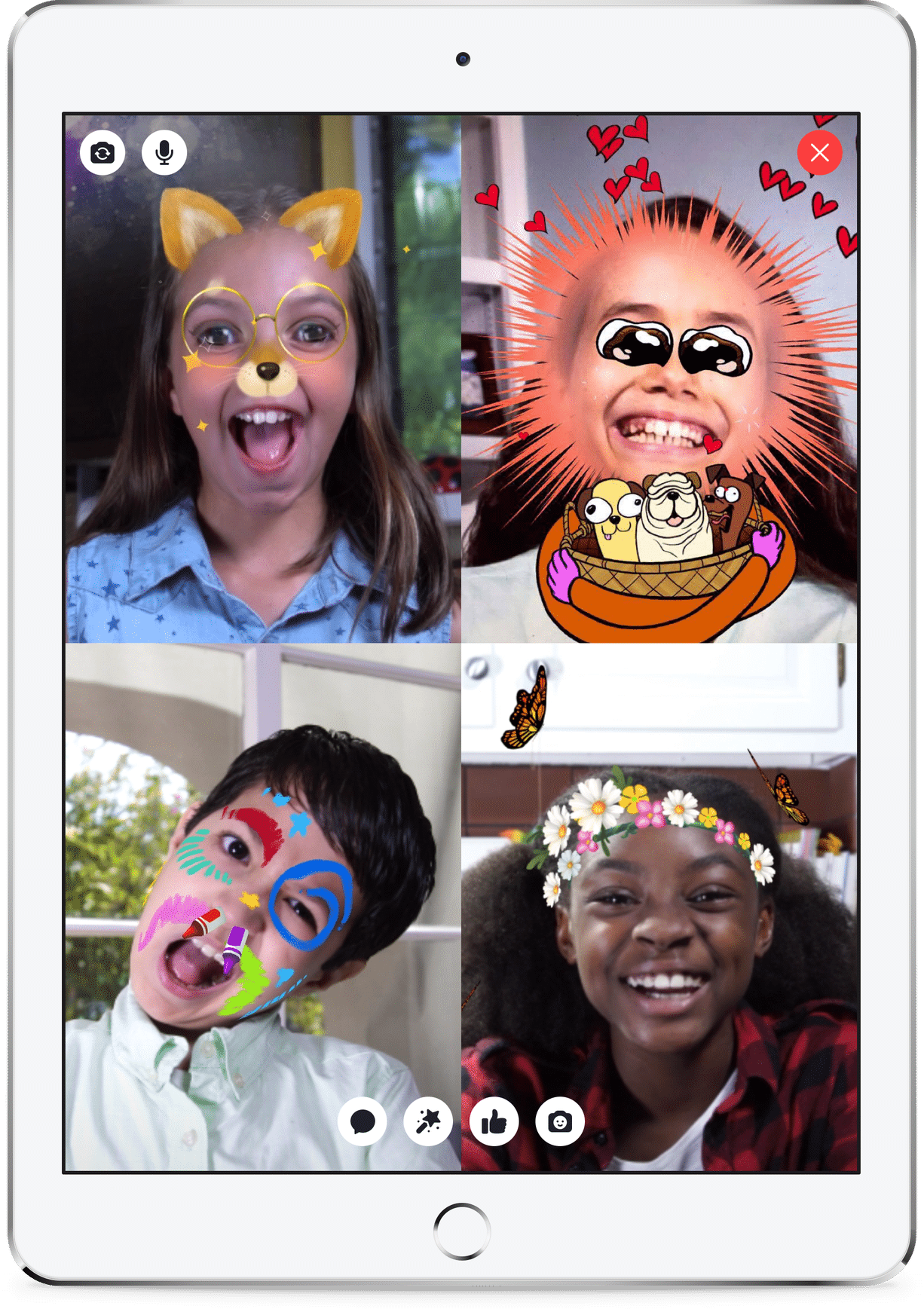
Facebook recently launched Messenger Kids, a free, stand-alone video chat and messaging app for children ages 6 to 12 to “connect with people they love but also has the level of control parents want.” Designed with kid preferences in mind, this app aims to please with one-to-one and group video chat or text thread, fun filters, masks, stickers and GIFs. Facebook says they have integrated features with the consult of a 100-member team with child safety and privacy in mind. Although I welcome the integration of kid-friendly features (finally!) that doesn’t sell to kids or collect information for marketing, introducing young children to a screen activity may be distracting at the least and addictive at the worst. Having participated with a team of experts talking about Messenger Kids, I believe Facebook has developed a much-needed product that can be very positive when used optimally with parent guidance.

Why now?

Historically, kids have been restricted from social media app membership without parental consent because of The Children’s Online Privacy Act (COPPA, 1998). This federal law imposes certain requirements on operators of websites or online services, like not collecting data from or advertising to children under thirteen years of age. Facebook is compliant with COPPA in that Messenger Kids won’t show ads, offer in-app purchases, or collect data for marketing. Also, in order to adopt the app, kids must have parent permission as an extension of the parent’s Facebook profile. Other safety features include parent control over their child’s contact list, child inability to delete messages, and an option to block users and report inappropriate content with parent notification. Kids can be found through Facebook search and parents must ask permission to see kid content to avoid spying. Facebook also says they won’t automatically upgrade users to an adult account when the child reaches 13 years old.

What are the privacy risks?

In response to privacy and security concerns, Democratic Sens. Ed Markey and Richard Blumenthal asked Facebook to specify what data is collected and what they’re planning to do with it, if information about child device location is being collected and stored, and whether Messenger Kids will be walled off from the Internet. Facebook has said collected information will only be used for infrastructure purposes to improve the app.

What are the behavioral risks?

As a clinical psychologist and screen safety expert, I am pleased that Facebook has delivered a product with child safety in mind. After all, surveys reveal that most kids are using apps before age thirteen that don’t have safety features. Messenger Kids offers families an option without the same risk profile as Instagram, Snapchat, Twitter, or KIK. However, there are still some risks to consider before allowing your child to adopt Messenger Kids.

First, we are all well aware of the compulsive nature of social media use. According to Apple, we check our iPhones an average of 80 times a day, 30,000 times a year.[i] Nearly 60% of parents think their teens are addicted to their mobile devices.[ii] With features specifically designed to keep people using, social media can lead to addictive use patterns that distract us from healthier activities and nonvirtual relationships. The younger the brain, the higher the vulnerability to habit formation and brain wiring changes. I’m not entirely satisfied with the argument that without this, kids are going to use less safe social media anyway. It’s kind of like letting your teen drink at your house since they’re going to do it anyway…Maybe the answer is don’t let them drink in the first place.

Do we really want children as young as six years old to have that kind of opportunity?

After all, child screen use is so new we have no idea what kind of long-term impact these kind of use patterns will have. Behavioral conditioning is an intentionally embedded component of  Silicon Valley tech products to increase profits. I believe the old adage, “If you can’t see the product, you are the product” may apply here. Furthermore, just because parents can monitor child behavior doesn’t mean kids won’t impulsively offer or view inappropriate or embarrassing information that can lead to shame and cyberbullying. The younger the child, the higher the risk. As a parent, are you ready for your child to adopt the “training wheels” for social media independence?

On the other hand, we must keep in mind that Messenger Kids is a messaging app, not a social media app. Parents have full monitoring control and must approve the contact list. This app is a fun way for kids to connect to other kids and family members, with playful adjunct features like masks and stickers. Facebook has said that this is not a product designed to profit off of children. Instead, Facebook believes it is good business to build products that people love to use.

Things I learned when Facebook asked me to participate in a working session with child and technology experts:

I believe that the best outcomes are reached through collaboration from people of all different viewpoints. As a result, I was very pleased to accept the invitation of Facebook to participate in a discussion with a panel of experts. I believe that being a part of the solution means getting in there and working with industry, academia, and with front-line teachers and practitioners. Obviously, I am under the restrictions that are typical of nondisclosure agreements when one works with a company about a product. However, it is appropriate to share my impressions having interacted with Antigone Davis, Head of Global Safety for Facebook, and the Facebook employees who have developed and continue to work on Messenger Kids.

I am somewhat unique in that I have lots of day jobs, all relating to psychology and families. I have had a private practice for over 23 years working with kids, teens, and adults. I teach addiction studies, parenting, and clinical psychology at CSUCI and supervise interns writing from a screen-media research perspective, and I’m founder of GetKidsInternetSafe, my love project. I’m fond of saying that I’m the MacGyver of psychology in that I take the theories and research findings from academia and apply them to real people in my practice, adjusting and tweaking as I go. From this perspective, I have a lot of opinions about the benefits and risks of screen activities to the American family.

Having interacted with the impressive panel of experts Facebook invited to the Facebook Global Safety Summit, I came away with the feeling that Facebook is being thoughtful and open about their child products. They are conducting their own research, generously open to feedback, and clearly dedicated to an ongoing dialogue about what families want and need. Let’s face it, they are experts with what they do and have enormous reach. I believe they have the potential to provide positive child and family service, and they’re taking that role seriously. As the company has matured, they seem to realize that they have a precious social responsibility to their customers and were very enthusiastic to hear from those of us who have dedicated our careers to child and family advocacy. I’m feeling pretty good about Messenger Kids, yet believe that kids and parents still need more education and support to best implement this fun communication tool while optimizing learning and connection on screen and off screen.

What should you keep in mind if you want to try out Messenger Kids for interactive digital play?

  • Stay engaged during the on-boarding process and visit the Messenger Kids FAQ page.

  • Recognize that this app was not designed for education, but rather as an alternative to adult social media apps that kids were already using. Not only must parents create a Facebook profile for Messenger Kids setup (another customer?), but Facebook branding has just been launched in your child’s tender consciousness. Ready, set, go!

  • Start a teaching dialogue about privacy, marketing, and balance. Familiarize your kids with the rules at a developmentally optimal level for their age and understanding.

  • Adopt the GKIS Living Agreement digital contract found in my book, Screen Time in the Mean Time: A Parent Guide to Get Kids and Teens Internet Safe.

  • Once on-boarded, your child has launched a dynamic digital footprint within the walled garden of their contact list. This may be their first introduction to digital messaging. Exciting yes, but supervision and building teaching opportunities are important for positive outcome.

  • Set up a creativity kit next to the computer with play props, dress up clothes, art materials, and toys. When you are having a conversation on Messenger Kids, encourage your child to act out a fun, creative activity like pretending to prepare and serve you lunch, writing a poem and presenting it, or choreographing a dance. Augmenting virtual reality with fun nonvirtual reality keep kids engaged with a balanced life of two-dimensional and three-dimensional play. Building relationships and play are still critical learning opportunities for the developing brain.

  • Watch to make sure your child doesn’t exhibits behaviors suggestive of compulsive use or addictive patterns.

  • Encourage your child to attend to the other person’s words, facial expressions, and feelings while chatting. Recognize that fun animations may be distracting, so they need your prompts and teaching narrative to learn social skills and digital citizenship.

  • Most importantly, offer an enriching balance of virtual with nonvirtual activities, a key to healthy development.

For additional information about another popular child app, check out The GKIS Sensible Parent’s Guide to Musical.ly.

I’m the mom psychologist who will help you GetKidsInternetSafe.

Onward to More Awesome Parenting,
Tracy S. Bennett, Ph.D.
Mom, Clinical Psychologist, CSUCI Adjunct Faculty
GetKidsInternetSafe.com

Works Cited

[i] Bajarin, B. (2016). “Apple’s Penchant for Consumer Security.” Tech.pinions, 18 Apr. 2016, techpinions.com/apples-penchant-for-consumer-security/45122.

[ii] Common Sense (2015). The Common Sense Census: Media Use by Teens & Tweens. www.commonsensemedia.org/sites/default/files/uploads/research/census_executivesummary.pdf

Photo Credits

Facebook