
If your child has inquired about buying a deck of cards, candles, or pendulums, they might be showing interest in tarot! Tarot reading is a New Age practice that has acted as a spiritual guide and coping mechanism for many people. In the previous article on online astrology, we shed light on what astrology is, the marketing tactics behind it, and the psychological perspectives that relate to it. In today’s part two, this article covers tarot reading, testimony, common misconceptions, and red flags to be wary of.
What is tarot reading?
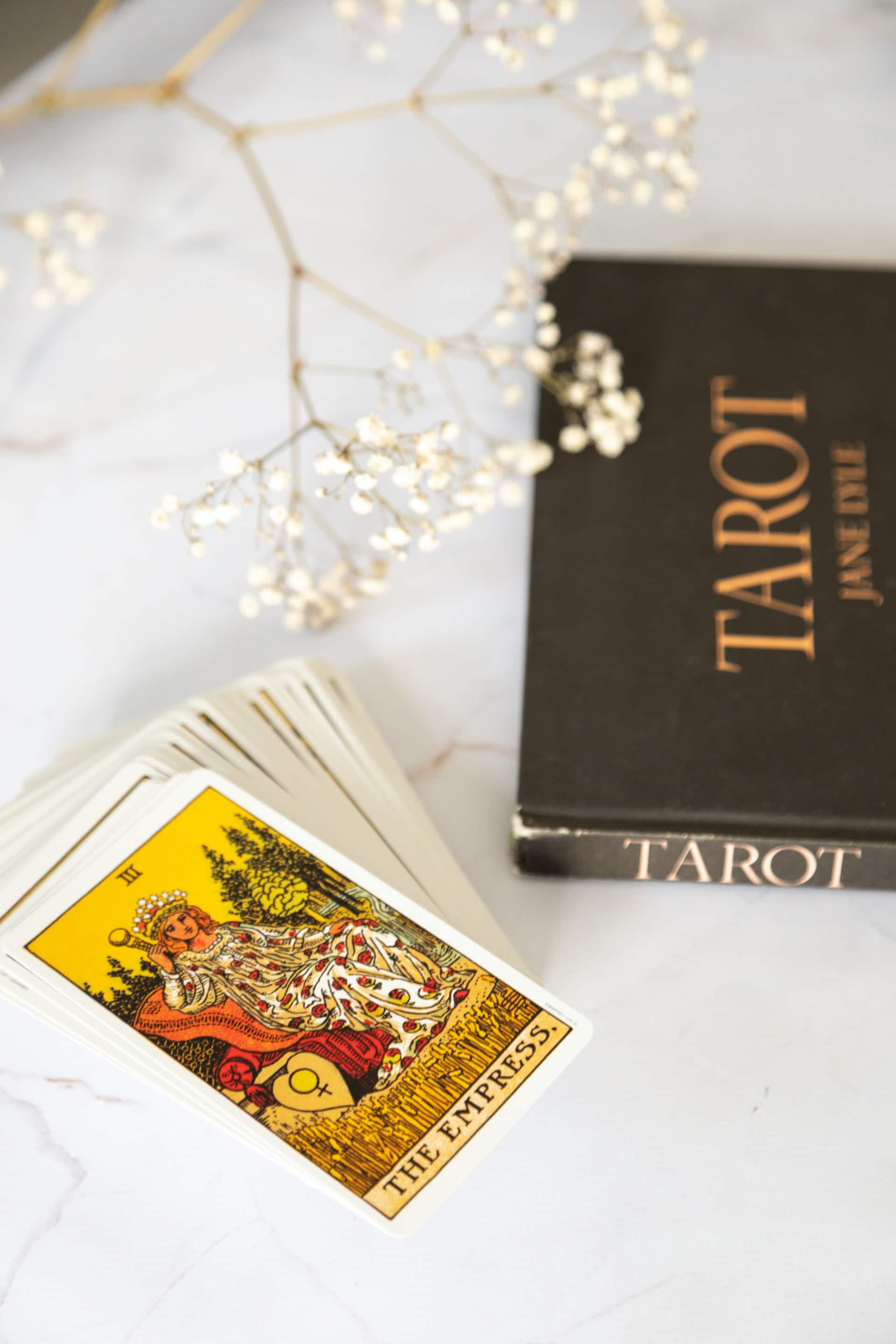
Tarot reading involves the process of picking cards, finding a common ground between the cards, and relating it to everyday life. Today’s tarot deck consists of 78 cards and are divided into two groups— the major arcana (22) and the minor arcana (56).[1] Similar to standard playing cards, tarot cards contain different suits and are used for different purposes (e.g., questions about spirituality, love, and finances).
I am not savvy in the world of tarot reading, so I interviewed someone who has used tarot in their life for over 20 years. For privacy purposes, I will refer to this person as “Hope.” Hope is not a professional tarot reader, but it is clear that her connection to tarot has merit. Hope deepened my understanding of tarot reading, as well as offered insight on misconceptions and red flags.
Tarot and Testimony
When asked about tarot reading and its massive trend across social media platforms, Hope stressed the importance of using caution and common sense, as fast information isn’t the best way to learn or receive information. During a time of chaos, people are looking for ways to cope and can easily be exploited. As discussed in the previous article on online astrology, horoscopes and tarot readings can work for you (positive effect) or work against you (negative effect).
Hope recommends seeking tarot readers that have lineage through family members or those who have been taught by a reputable leader. Training, experience, and compassion should come together in a trustworthy tarot reader (as interpretations are also different among readers).
Common Misconceptions
Hope emphasized, “Tarot reading is not fortune-telling, rather, it’s about the reader interpreting the cards, breaking down its psychological symbols of the tarot, and applying it to everyday life.” It is meant to act as a guide, providing more open-ended questions than answers. Tarot also provides a different perspective, just as any other New Age practice such as meditation or yoga.
At face value, a tarot reading can come off very woo-woo, meaning unconventional beliefs concerning spirituality that typically do not have scientific proof. Hope explained that rituals can be meaningful by creating structure, providing creative, enriching support, and helping people move through the cycles of their life. Despite the crystal ball portrayals and witch-like stereotypes, tarot has evidently become more mainstream in the new age.
Red Flags
Hope advises beginners to “take what resonates and leave the rest.” Tarot is a tool that one can include in their toolkit of life, but it should not negate the power that someone has over their own life. Tarot is meant to be insightful, not harmful; she emphasized this by using a paywall as an example. “If someone tells you you’re going to have bad things happen to you unless you pay them $200, exit the door immediately.” A safe online experience with tarot reading should include keeping a sense of humor, as well as an open mind and sensible assessment.
Tarot Reading is Trending
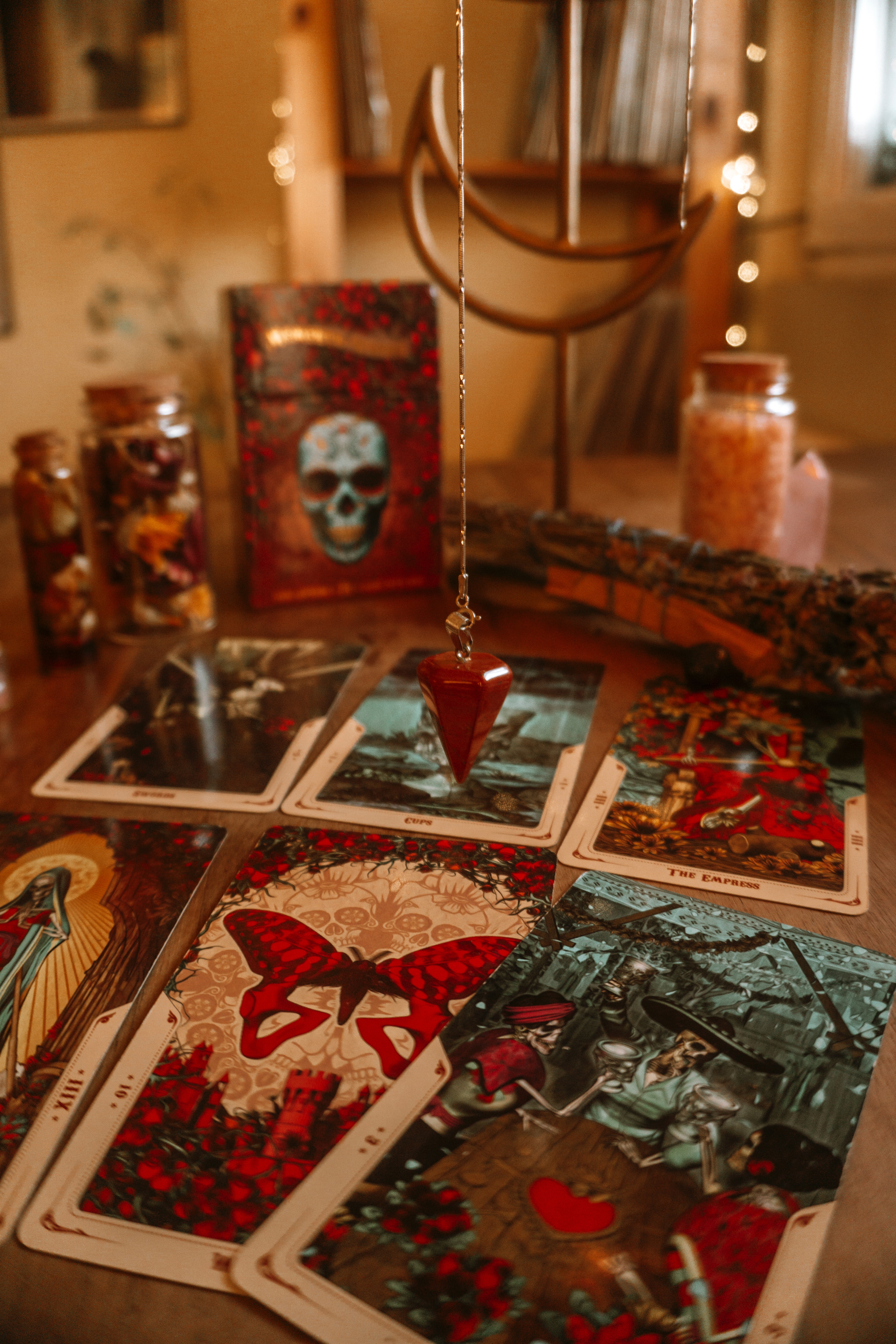
Elementually is a well-known mother-daughter duo with a following of 1.2 million users. Elementually offers multiple daily affirmations through tarot cards, pendulums, crystals, and dice. I investigated this account and found their page to be appropriate for users of all ages. Not only do they offer daily card affirmations, but they are interactive with their following. Comments are selected from posts, and answers are given based on pendulum and dice outcomes. This duo also offers free tarot card readings, while other influencers charge anywhere between $10-30.
Tarot and Algorithms
The biggest concern over any online experience includes algorithms. Algorithms take your personal data and utilize it for marketing purposes. An important term to become acquainted with is bait engagement. Bait engagement involves a call to action to the user (usually to provoke likes, comments, or shares), but in reality, it boosts the posts in favor of the algorithms. With regards to tarot reading (or any other subject), bait engagement may sound like “like/comment/share this post to claim your reading.” While it may give the user some peace of mind that they are acknowledging and accepting their daily affirmation/refutation, children must also recognize when they are being manipulated to act and perhaps even exploited for profit.
Online tarot reading may not be completely exclusive, as the algorithms within the “For You” feature expose the user to content they predict is favorable. Children must acknowledge hashtags and understand that it may not be a coincidence. As Hope said earlier in her interview, the user is ultimately the one in control. While it may be comforting to connect with a public reading, online tarot readers on TikTok typically post multiple times a day. Depending on the post your child comes across, they must consider algorithms when receiving their daily card or reading.
GKIS Tips for Online Safety


I’m the mom psychologist who will help you GetKidsInternetSafe.
Onward to More Awesome Parenting,
Tracy S. Bennett, Ph.D.
Mom, Clinical Psychologist, CSUCI Adjunct Faculty
GetKidsInternetSafe.com
Photo Credits
Photo by Lucas Pezeta from Pexels
Photo by Viva Luna Studios on Unsplash
Photo by Alina Vilchenko from Pexels
Photo by J. Kelly Brito on Unsplash
Works Cited