Kids and teens love YouTube’s colorful celebrities who cater to their specific interests. But many influencers use their celebrity status to lead fans into harmful situations. In today’s GKIS article, find out how these YouTube celebrities promised big earnings from online gambling, offered poorly planned conventions, attacked other influencers, and encouraged fans to harass other online competitors. Using unethical tactics and no disclosure, many of these profit-making schemes succeed unchallenged.
What’s a YouTube influencer?
A YouTube influenceris a person with a YouTube profile that has a large number of followers and can influence trends, products, and purchasing habits. Their content is typically videos of product recommendations or reviews. Other times, it’s a video (vlog) with influencers talking to their audience about anything that strikes their fancy. Most vlogs include colorful opinions, vulgar language, and provocative topics.
Most influencers are trained marketers who profit from ads, partnerships, and paid sponsorships. Although some provide harmless entertainment, others intentionally mislead or introduce content that can harm their followers.
“Oops, I didn’t mean it.”
One-time mistakes are getting increasingly rare among YouTube celebrities. For some, a string of mistakes results in more fame and profit. For instance, PewDiePie is one of the world’s most famous YouTube celebrities with 91 million subscribers. In 2108, he was criticized for promoting an Anti-Semitic YouTube channel [1], delivering Anti-Semitic jokes [2], and using the hard N-word to thousands of viewers in a live stream video [3].
In 2019, PewDiePie stoked fan fires by encouraging “a fight” with a YouTube channel T-Series and Indian production house. Competing for subscribers, PewDiePie fanned a competition between American YouTube culture versus Indian YouTube Culture. The rallying cry resulted in hacking printers and Google homes, a vandalized World War II memorial in Brooklyn (“subscribe to Pewdiepie”), and, most horrifying, a Christchurch mass murderer yelling “subscribe to PewDiePie” during the live stream of his shooting.
YouTube Influencers Encourage Gambling
CSGOLotto: In 2016, YouTubers TmarTn and ProSyndicate promoted and advertised a site called CSGOLotto. On this site, players bought in-game items that were placed into an online pot alongside other people’s purchased merchandise. The goal was to gamble to win the biggest pot of merchandise.
Video ads for the GSGOLotto showed TmarTn and ProSyndicate having fun gambling large amounts of money trying to win big. Most times, they did win BIG – up to three times the amount they started with up to $20,000 worth of merchandise!
Based on our research, at no point in the ads or written copy did either influencer mention to their collective audience of 13.5 million that they owned this site and were profiting directly. We found the ads to be misleading, looking like the celebrities were simply players rather than profiteers.
Mystery Brand: In 2018, Jake Paul and RiceGum created a similar gambling site called Mystery Brand. In this game, players purchase $5 to $100 virtual boxes that would contain a mystery item worth either less or more than the amount paid. The promised a chance to win a $250 million house with only a $15 buy-in.
The influencers were reportedly paid $100,000 for promotion to their collective 30 million subscribers. In their videos, they narrated how they “teamed up” with Mystery Brand to show how “dope” it was to play.
After demonstrating the easy signup process, the two spent big. Once a player buys in, their money stays in. Players can’t cash out. They can only earn sponsored prizes shown on the site, like a virtual shopping mall. For example, in one video RiceGum shows off his $15,000 profit after only spending $3,000. Neither RiceGum nor Jake Paul refers to the site as “gambling,” but instead call it a “game” with “good value,” promising “there is no losing in this.” Based on our research, no place on the site states the players’ chances of winning.
A Poorly Planned Convention
Tana Mongeau is a content creator with 3.7 million subscribers. In 2018, 5,000 people showed up at a hotel in Anaheim to attend her convention, advertised to be a cheaper and more accessible version of Vidcon (which is a large-scale event hosted by YouTube to meet your favorite YouTuber). Due to poor planning, over 4,000 people waited for over four hours in the sweltering heat outside of the hotel. There were little shade, food, or water available, and many attendees got sunburned, passed out, and rioted due to poor accommodations and security.
Although promised to be free, it wasn’t. While 4,000 waited outside, the 1,000 inside were greeted with a $60 “VIP” pass, with a lack of entertainment, overcrowding, and almost the same issues as those outside the hotel. The videos of this event are upsetting to watch.
Using Their Platform to Attack People
When some YouTube influencers don’t like other content creators or other people in general, they sometimes rant with name-calling and unfair accusations. This cyberbullying can result in a cyber flash mob of dedicated fans that cyber attack through doxing(showing private information), pranking, and cyber-harassment.
False Accusations Against a Competitive Influencer
Jackie Aina is a popular beauty guru who creates and shares videos of makeup applications with 2.9 million subscribers. In 2018, she made a video accusing another YouTuber, Petty Paige (128 thousand subscribers), of stealing $1,500 from her personal bank account.
This accusation appeared to have no proof of legitimacy. Although she never stated Petty Paige’s name in the video, she put up a picture of a video Paige had made, making it easy for her subscribers to identify the accused perpetrator. Jackie Aina’s fans took to social media to harass Paige for weeks. Paige even stated that many business and job opportunities were canceled because of harassment.
Targeting Their Audience
The Gabbie show (6.4 million subscribers) is one of many YouTubers who have targeted everyday people with no regard to how the fan base would react to it. When a young girl in her audience made a negative comment on one of Gabbie’s tweets, Gabbie screenshotted it along with the girl’s account and posted it on her Twitter (2.7 million followers). This led fans to spam and harass the girl, flooding her inbox with hateful messages.
Are there legal consequences?
Too often, when malicious or unethical online behavior is identified, the scandal is fleeting. For example, in the case of TmarTns and ProSyndicate’s gambling scam, the Federal Trade Commission (FTC) filed a case for lying about ownership of a product. Yet somehow, both influencers avoided legal prosecution, only suffering a mild loss in subscribers and yearly income due to a damaged reputation. They still have a net worth of around $5 million.
For Jake Paul and RiceGum, absolutely nothing happened. RiceGum created a video justifying his behavior as the same as what others do. Jake Paul made a joke about the situation. When asked, “You loved being called out for selling a gambling scam to underage kids?” He responded, “Yes, love it.”
Of the influencers covered in this article, Tana Monogue probably received the biggest consequences. After months of backlash and hate from fans and YouTubers, Tana made multiple apologies. But she still suffered no legal consequences. And as for what Jackie Aina and Gabby Shows did, many just see it as insignificant errors in judgment.
What can be learned?
Influencers are not your friends and most often cannot be trusted.
Fanning follower anger is often fake and staged.
On the internet, bad behavior makes influencers money and often goes unpunished.
If you believe the hype, you’re gullible. It’s probably not worth the drama. Think for yourself instead of following blindly.
Thanks to GKIS intern Jack Riley for researching and writing this article. If you learned from this article, stay tuned for part 2, which details the irresponsibility and scams that YouTube influencers continue to feed their audience as well as the marketing and social manipulations used to make sure viewers keep coming back.
Onward to More Awesome Parenting,
Tracy S. Bennett, Ph.D.
Mom, Clinical Psychologist, CSUCI Adjunct Faculty
Works Cited
YouTube Influencers Encourage Gambling
Fluff, TMARTN GAMBLING ON CSGO LOTTO & DECEIVING OWNERSHIP (Full Video Reupload), YouTube.com
(2016, July) YouTube gamers caught in gambling row, bbc.com
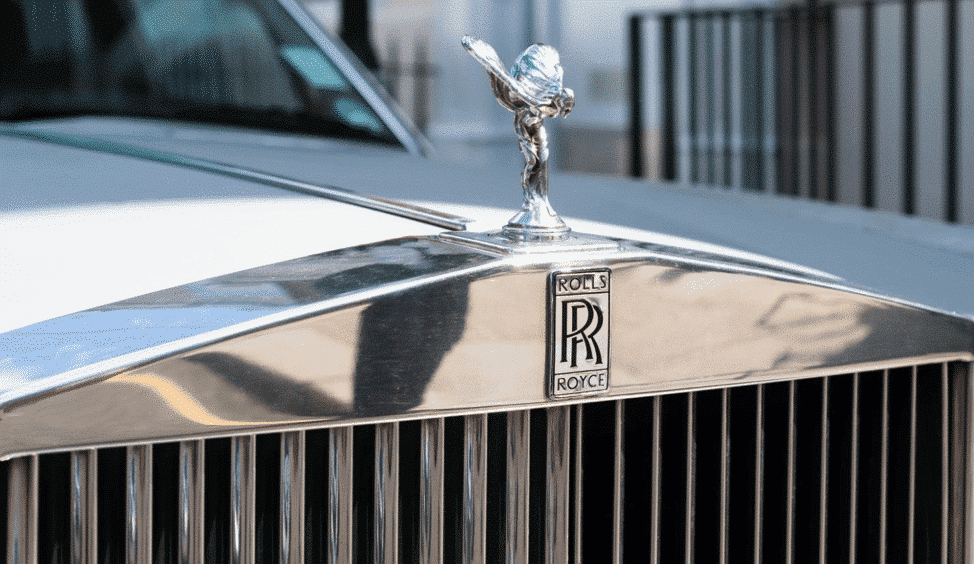
Does Lil Tay sound like a nine-year-old your child knows? The “youngest flexer of the century” was an internet sensation before her materialistic persona dragged her and her family down. With two million followers, Lil Tay didn’t shy away from using profanity to call other people broke or kick a Rolls-Royce. Accessories in her posts included wads of cash and million-dollar homes.[7] She isn’t the first or only young one showing off money and what it can buy. What is this social media trend?
Flexing on the Gram
Flexing (showing off wealth) on the Gram(Instagram) is a popular social media trend.[3] Upcoming celebrities like “Gucci Gang” rapper Lil Pump flex on the gram to prove they’ve made it to the top.[4] His image is particularly known for flashing Gucci threads head to toe. When critics say he’s inadequate, Lil Pump argues his expensive clothing makes him worthy.
Other social media celebrities flex to build their brand in the same way. Rubber bands of cash and expensive goods bring millions of followers. Riches reflect success and outrageous posts attract engagement.
Internet personality RiceGum is a perfect example. His YouTube diss tracks are notorious for bragging about his money, cars, and a million-dollar home. His lyrics talk about how all those things make him better than other YouTube stars.[3]
Instagram Envy Leads to Compare and Despair
With a continuous stream of real-time, unfiltered, unedited, and freshly published posts, fans have an on-demand, front-row seat to the rich and famous.[1] The compare and despair of watching friends, celebrities, and idols live lavish lifestyles makes them believe they too need cars, houses, and clothes to succeed in life.[3] Ariana Grande promotes the idea in her hit single “7 Rings,” “Whoever said money can’t solve your problems must not have had enough money to solve ’em.” [6]
Social psychologists call this new phenomenon Instagram Envy.[1] Child psychologist, Allen Kanner, states that children believe, “If I could have this product that’s associated with all of this success, then I’m going to be able to join this world. I’ll feel better about myself.”[4]
Provoking envy and anxiety make fans want to spend, leading a generation too willing to go into impulsive buying and higher levels of debt.[8] A 2017 analysis discovered a rise in credit card debt for young adults 18 – 20 years old where the average amount owed was $611.[1]
Studies have found that materialism (holding material things as too important) among children may cause them to become overly focused on what they can gain from friends and family and contribute to more self-centeredness and aggression.[8]
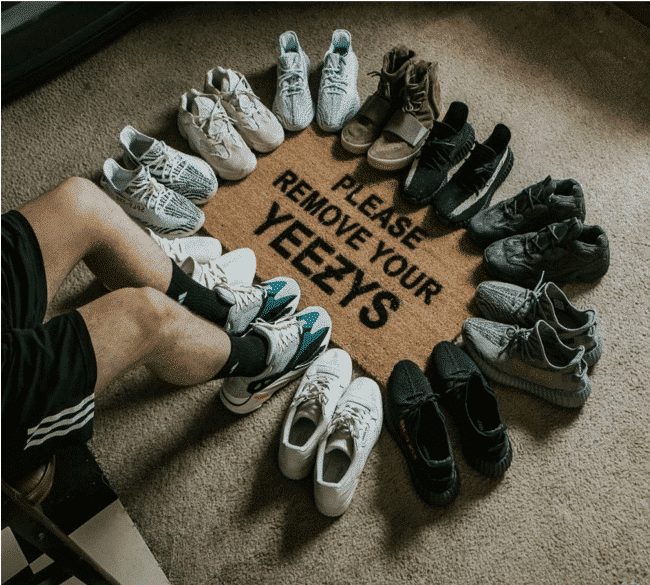
In extreme cases, children blame their parents for not providing the wealth they desire. When their parents can’t help them, children buy high fashion knockoffs. For example, replicas of Kanye West’s designer sneakers called “Yeezys” are highly sought after.[5]
Profits made from these fake designer goods fund illegal organizations. These organizations take part in “terrorism and the trafficking of drugs, people, sex, and wildlife.”[5]
It’s difficult to explain to children that not everything that glitters is gold. Studies have shown that being rich and famous are top priorities for today’s generation.[1]
Social media has given a false idea that such a lifestyle is easily achieved overnight. However, most of the money shown off on social media doesn’t really belong to the person who’s posting about it.[7] Children forget that social media is a staged reality.[8] For instance, the cars and mansions Lil Tay posed in actually belonged to the homes that her mother represented as a realtor.[7]
Why do people show off on social media?
Some show off on social media to make a statement to the world.[3] They feeling driven to prove they’ve made it to the top.[3] But instead of feeling happy once they buy the thing they’ve longed for, research demonstrates that they end ups feeling anxious and dissatisfied.[9]
Others show off “to arouse jealousy, envy, or other negative emotions” in others.[2] They create Instagram Envy to prove that they can’t be overshadowed.[2]
Some people believe that showing off their money will bring them more friends.[3] Teens are particularly vulnerable to the need for attention and validation.
Ideas About How to Start a Fun Conversation with Your Kids
Here at GetKidsInternetSafe, we want your children to dream big and accomplish their aspirations. Social media takes down walls to show that all-star athletes and pop artists were once normal kids too. They did their homework and helped their mother with the groceries. Be wary of the messages that Instagram Envy and Flexing tell our children. Counter the social media culture by having in-depth conversations on concepts your kids have yet to think about. For example:
Showing off material wealth on social media brings fans, not friends.
Teaching your kids that, rather than bringing more friends, studies have shown that people prefer to be friends with someone with a simpler lifestyle.[3] These fake friends often have ulterior motives.[2]
How does wealth affect relationships with friends? Genuine friends will always be by your side whether you’re rich or poor.
Can you have quality relationships if you’re breaking others down to build yourself up?
Wealth comes from a good work ethic.
Children are brainwashed into thinking that being disrespectful and obscene on the internet can easily roll in cash. Doing dangerous pranks, making hurtful comments, and participating in age-inappropriate activities are just a few examples. Start a discussion about how wealth actually comes about.
What is a good work ethic?
What is perseverance, and what do people learn from it? Making a sustainable income doesn’t happen overnight. Most successful people put in hours of hard work before making it to the top. Some fail a few times before catching their big break. Enduring the journey toward success will teach you more about yourself than the shortcut.
Follow uplifting social media sites created to inspire with positivity and stories of hope.
Some posts give advice or insight to encourage others.[2] That’s why impoverished children idolize the Instagram profiles of famous rappers who came from the same projects.[4] They see someone from the same struggling upbringing break the barriers for a better life.[4]
Your values define your definition of “wealth.”
People value different things, and what we value forms our idea of what wealth is. These values change throughout our lives as we learn through our experiences. As children grow through their personal journeys, help them become the best versions of themselves.
What are your dreams?
What kind of image do you want for yourself?
Do you want to help make the world a better place?
Is passion for your career worth more than money in your pocket?
Is working countless hours of overtime worth it for a fancy car?
In what ways does it benefit family life or take away from it?
These examples will help you start a mutual, complex conversation with your children so they can think further than celebrating a Rolls Royce. You’ll be able to pass on your wisdom, navigate their confusion, and give them the confidence to aim higher.
Thanks to Hanna Dangiapo for covering this modern topic! Want to learn more ways to protect your child from RiceGum-like content? Check out Dr. Bennett’s GKIS Connected Family Online Course
I’m the mom psychologist who will help you GetKidsInternetSafe.