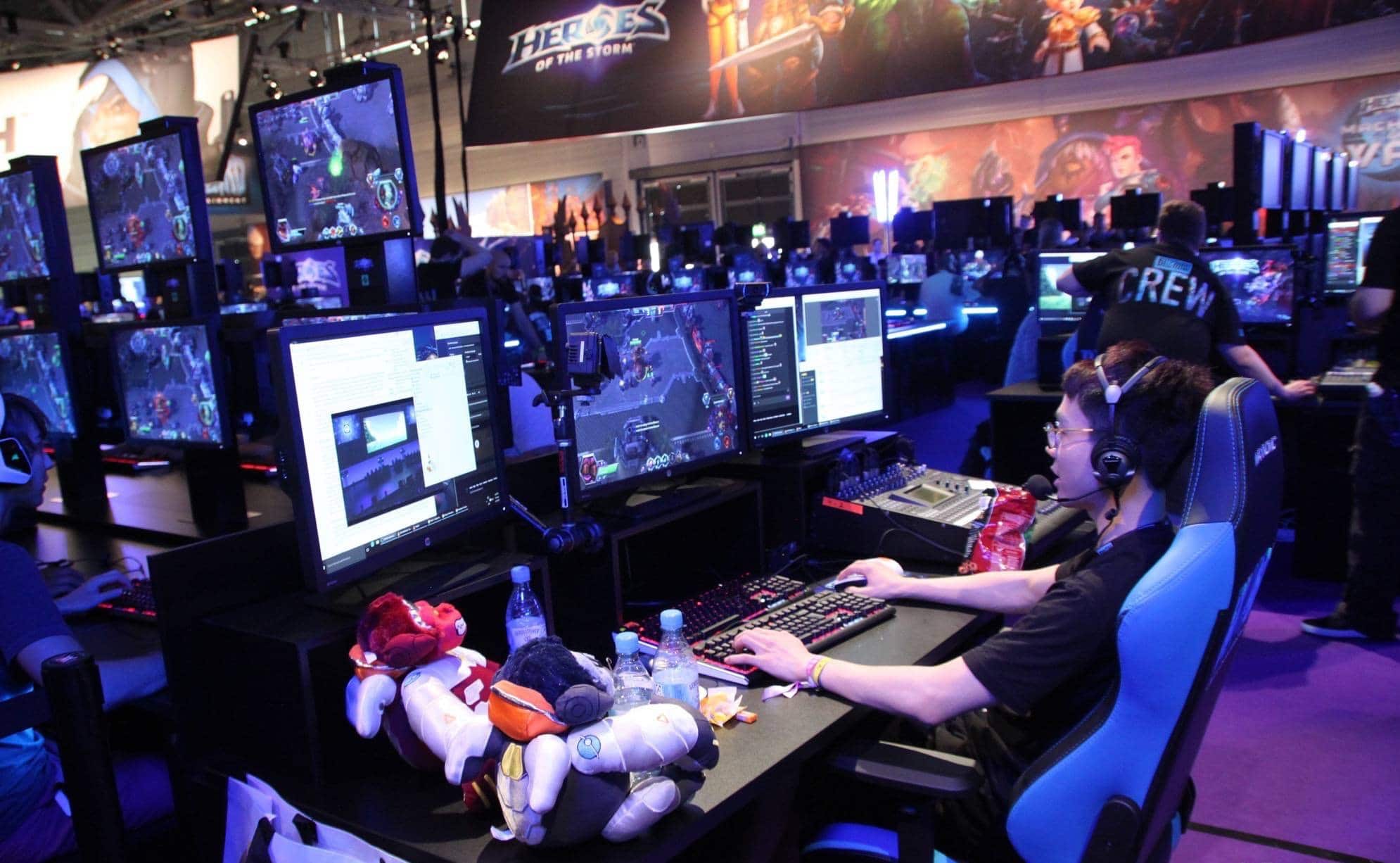
Kids love Twitch! Twitch is a streaming service where expert players play video games while their subscribers watch. It’s a mystery to most adults how this could be entertaining. But with 15 million viewers per day and a $970 million sell price, it has clearly plugged into what kids want. In this GKIS Sensible Guide, we cover what you’ll want to know before letting your kids opt-in.
How long has Twitch been around, and how popular is it?
Twitch was released in mid-2011 as a branch of another streaming service, Justin.tv. Twitch was intended to be the more video game focused platform. Soon Twitch’s popularity surpassed Justin.tv, and it was bought by Amazon for a staggering $970 million.[1] Today, Twitch has around 15 million viewers per day and hosts around 2.2 million streamers.
Getting Started on Twitch
In order to create an account on Twitch, you must be 13 years of age or older. As Dr. Bennett describes in her book, Screen Time in the Mean Time, this age isn’t based on child psychology, but rather the COPPA law which protects kids from having their personal information solicited for marketing reasons. Parents are the best authority to determine the best age of adoption. To sign up, you must also provide an e-mail address, a username, and a password. Once you’ve created your account, you may begin personalizing your profile. It should be noted that there is no way to make your Twitch profile private, so anyone can access it at any time.
Once your profile has been set up, you can decide which of the two roles you want to take in Twitch:
Streamer: You stream the game you are playing so others may join and watch you play.
Viewer: You sit back and watch someone play a game. You can choose to interact with the streamer or other viewers via the text chat. It should be noted that you can view streams without having a Twitch account, but when you do this you may not participate in the text chat. You may also donate money to streamers.
Benefits of Twitch
As a streamer:
It’s a perfect platform to showcase one’s creativity.
You can interact with others who share the same interests.
Being a streamer can become extremely lucrative. For many it becomes a full-time job.
Many times, streamers will land sponsorships from companies and sent free items to utilize in their streams.
As a viewer:
Interacting with streamers and other viewers who have similar interests
Learning new strategies and tips from streamers who are skilled at certain games
Winning in streamer-hosted giveaways
What are the risks of use?
As a streamer:
Doxing: One of the main risks that plague Twitch streamers. This is when individuals find out personal information about a streamer and disseminate it online. Information such as real name, phone number, address, and more may be revealed and used maliciously.
Swatting: This is when a viewer finds out a streamer’s home address and calls the police with a false emergency. If it plays out the way the person who initiated the swatting intends, the police will raid the streamer’s house, visible to viewers through their computer cam. Obviously, this can be very dangerous to the streamer and the law enforcement professionals involved.
Harassment: Many times, streamers will be harassed by their own viewers via the streams text chat. This can be alleviated slightly by having a moderator in the chat who can ban offenders.
As a viewer:
Violence is prominent in many of the games that are streamed on Twitch. This may not be suitable for younger children.
Profanity is frequently used by streamers and also present in most of the text chats.
Harassment and cyberbullying may also occur from other viewers in the text chat.
Distraction is also extremely common among young viewers. They may become so engrossed in the stream that they end up spending more time than they should. This may lead to the neglecting of other responsibilities.
GetKidsInternetSafe rates Twitch as a yellow-light app, due to the possibility of harassment and the ease of communication with strangers. It is recommended that you watch the streams from the content creator before allowing your child to tune into streams. Our How to Spot Marketing Supplement to our free Connected Family Screen Agreement contains valuable information to educate your child to be a smart, informed online consumer.
Thanks to CSUCI intern, Jess Sherchan co-authoring this article. For further information on the possible career opportunities gaming and streaming can provide, please take a look at the GKIS article Is Your Child a “Professional Gamer.”?
I’m the mom psychologist who will help you GetKidsInternetSafe.
[1] Cook, James (2014) The Story of Video Game Streaming Site Twitch https://www.businessinsider.com/the-story-of-video-game-streaming-site-twitch-2014-10
We are vulnerable to dangers previous generations couldn’t even imagine. We are on-demand, world connected – available to watch any horror from any place. Graphic (meaning vivid or realistic) live stream videos can be found on social media platforms such as Facebook Live, Instagram, TikTok, Snapchat, and YouTube. Children are especially vulnerable to getting upset when viewing violence. Today’s GKIS article covers if the mental illness Post Traumatic Stress Disorder (PTSD) can result from viewing violence on screen.
How Graphic Live Streams Affect Children
Accidentally clicking on a violent video would frighten anybody. Children are particularly vulnerable to trauma, including the development of serious mental illness. PTSD is a mental health disorder in which a person struggles to recover from experiencing or witnessing a traumatic event such as an assault, war, natural disaster, or serious accident. People with PTSD often have severe anxiety and panic attacks when reminded of the traumatic event. They feel stressed and frightened even when there is no danger present.
PTSD symptoms include intense nightmares, difficulty sleeping, and flashbacks of the traumatic event (intrusive images like you’re re-experiencing it). Children younger than six years old show signs of PTSD differently than adults. Their symptoms include behaviors like wetting the bed, being unable to speak, acting out the traumatic event in playtime, and clinging to their caregiver. PTSD is a very serious, debilitating disorder that can leave the individual in a nearly constant state of fear and stress.
Being able to discuss the witnessed traumatic event is a necessary step in treatment. In a study with Danish high school students, subjects who had witnessed a school shooting were assessed for PTSD. It was found that the prevalence of PTSD seven months after the incident was 9.5%. Being unable to talk about the incident was found a predictor of those who developed PTSD.[1]
Studies on Videos and the Onset of PTSD
Because violent videos are relatively new, there is little research on how they affect us. One of the earliest studies was conducted after Americans viewed the television coverage of the 9/11 tragedy.
The researchers interviewed 560 adults three to five days after 9/11. Approximately 90% reported one or more stress symptoms. In contrast, 35% of children had one or more stress symptoms, and 47% were worried about their safety or the safety of loved ones. Ten percent of the children had trouble falling asleep or staying asleep.
In another study, researchers surveyed 4,675 adults who viewed the 2013 Boston Marathon bombings on video. They found that people who had repeatedly watched the tragic footage sustained more trauma and stress than people who had witnessed the events in real life!
Those who watched six or more hours per day of media coverage were nine times more likely to report high acute stress than those who viewed less than one hour a day. Symptoms of acute stress included intrusive or troubling thoughts, feeling hyperaware, avoiding anything that reminds one of the traumatic events, and feelings of detachment.
If your children witnessed a traumatic live stream or Internet video, how would you know if they had PTSD?
Elementary School-Aged Children
“PTSD in children and adolescents requires the presence of re-experiencing and avoidance, numbing, and arousal symptoms. However, PTSD may not present itself in children the same way it does in adults.”[2] For example, young children may not experience flashbacks like adults with PTSD. They are more likely to experience “time skew” and “omen formation,” which are symptoms usually not seen in adults.
Time skew is the mis-sequencing of trauma-related events when remembering the experience.
Omen formation is a belief that there were warning signs that foreshadowed the traumatic event.
Children often believe that if they remain alert, they will recognize the warning signs and avoid another trauma resulting in chronic hypervigilance, anxiety, and sleep disorders.
School-aged children with PTSD often engage in posttraumatic play or reenactment of the trauma in play, drawings, or verbalizations. Post-traumatic play is a literal representation of the traumatic event in which the child repetitively acts out some aspect of the trauma. This often does not relieve anxiety.
An example of post-traumatic playwould be a child shaking a playhouse after they’ve experienced an earthquake.
Post-traumatic reenactment, on the other hand, is more flexible and involves behaviorally mimicking some aspects of the trauma. An example would be carrying a toy gun after being exposed to violence.
Adolescents and Teens
PTSD in adolescents more closely resembles symptoms seen in adults. However, some features are unique to teenagers.
As discussed above, children may engage in traumatic play after the onset of trauma. Adolescents are more likely to engage in traumatic reenactment, in which they merge some aspects of the trauma into their lives. Reenactments occur due to psychological vulnerabilities and defensive mechanisms which are characteristic of PTSD survivors. Adolescents tend to engage in impulsive and aggressive behaviors more than younger children and adults do.
What can parents do?
Advocate for better safety protocols including monitoring and filtering with platforms like Facebook, Instagram, Snapchat, TikTok, Periscope, and YouTube.
Filter video access to children by using a child-safe browser, refusing requests to adopt livestream social media apps, and using appropriate child sites like YouTube Kids.
Maintain an ongoing dialogue about content viewed online to optimize the chance your child will go to you if they happen upon inappropriate content.
Let your child know they won’t be in trouble for accidental views.
Be alert for changes in behavior that may be reflective of PTSD like fears, anxiety, bathroom accidents, mutism, sleep problems, appetite problems, substance abuse, or school failure.
Seek the help of a child psychologist if you have concerns.
Thank you to CSUCI Intern, Mara Pober for writing this important series to inform parents and help them keep their kids Internet safe. For more parenting advice on-screen media and trauma in children, pick up your copy of Dr. Bennett’s book, Screen Time in the Mean Time: A Parent Guide to Get Kids and Teens Internet Safe.
I’m the mom psychologist who helps you GetKidsInternetSafe.