Need peaceful screen time negotiations?

Get your FREE GKIS Connected Family Screen Agreement

#familyconnections

The Hidden Risks of Over-monitoring Kids Online

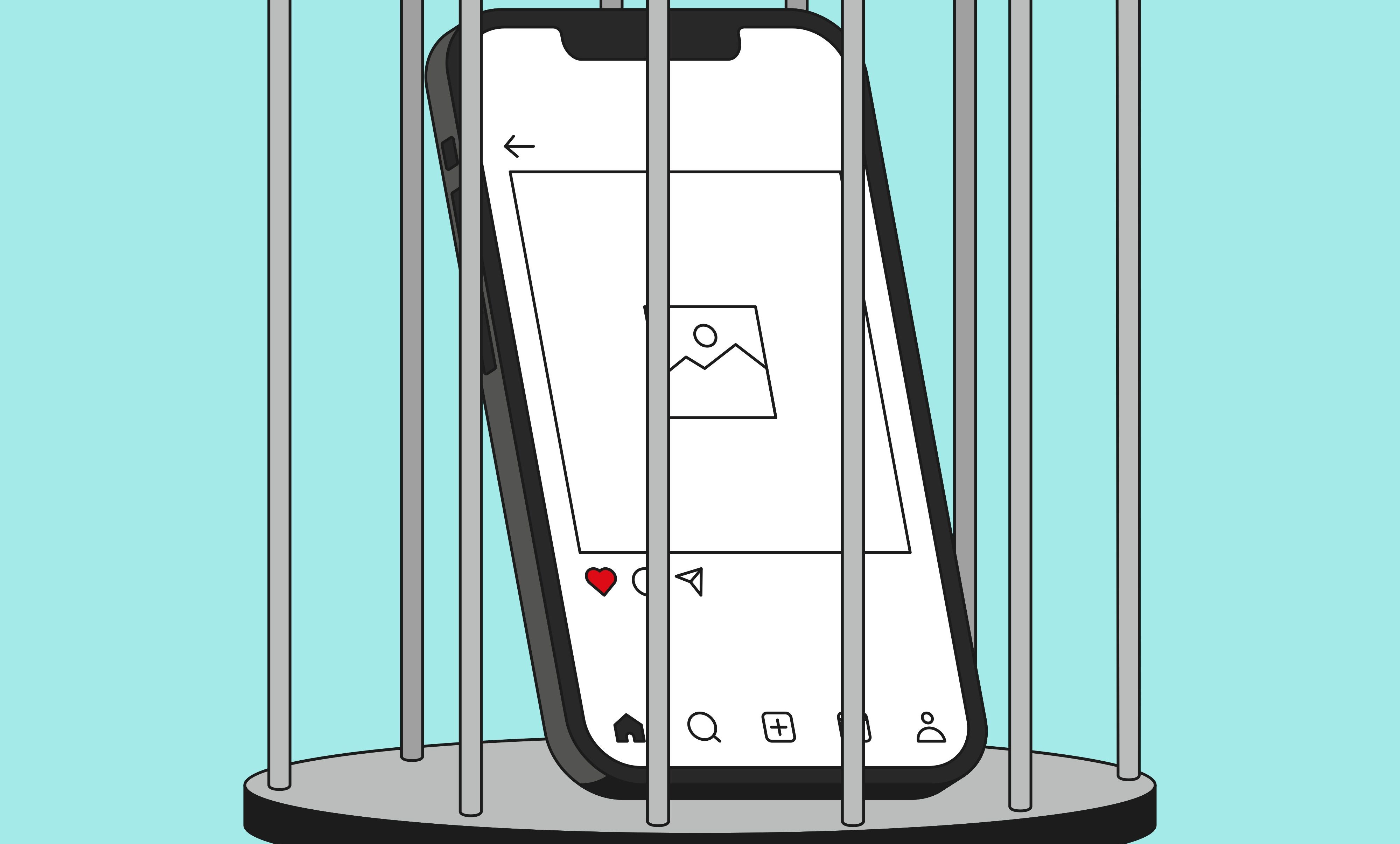
Parents feel a heavy burden to protect their kids from online harm. Threats such as cyber-bullying, predators, and unwanted content are real, and it’s understandable to want to put tight restrictions in place. But what if the very tools we use to protect our children are creating unintended consequences? Over-monitoring can undermine trust, limit children’s development of independence and online resilience, and even expose privacy vulnerabilities. Here’s what the research shows and how parents can find the perfect balance.

Where did we go wrong?

66% of parents surveyed say that parenting is harder today than 20 years ago, and digital technology is to blame.[1] Parents monitor in a variety of ways, including limiting screen time, checking websites, requiring password access, using GPS tracking, and checking social media following/friending.[1] Yes, tighter supervision sounds like a necessary solution in a world full of endless apps, social networks, and online risks, but is it?

A study conducted by the University of Central Florida found that parental-control apps, which allow for deep monitoring of children’s online activities, were associated with more, not fewer, online risks for teens. More specifically, the study found that teens whose parents used these apps reported unwanted explicit content, online harassment, and sexual solicitations. This doesn’t mean monitoring caused the risks; instead, parents often turn to these apps because their teens are already encountering online issues. The researchers concluded that instead of building digital competence and trust, many of these apps fostered a control-heavy and distrusting family environment.[2] So, instead of turning to these apps for help, try Dr. Bennett’s Connected Family Course.

Another study of children’s apps found that even “family-friendly” apps often include trackers, location permissions, or mislabeling of age ratings.[4] Further, children and teens with over-monitoring parents saw their parents as intrusive and were more likely to hide, deceive, and intentionally misbehave.[4] All in all, when monitoring feels oppressive, kids may respond by hiding and lying rather than being open and honest.

What does that mean for parents?

If the goal is safety, forced online surveillance may undermine the trust between parent and child and may hinder the open and honest communication we should be working to establish. As we teach in our Screen Safety Essentials Course for families, just implementing controls isn’t enough. One of the most damaging costs of over-monitoring is to trust and self-regulation. When children know they are constantly being watched, they may feel that their parents don’t believe they are capable of making responsible choices. That can lead to secrecy, feelings of giving up on communicating openly, and a lack of connection or engagement with parents.

“Why tell mom and dad if they won’t believe me anyway?”

I found myself asking this exact question at 12 years old when I made my first Facebook account and kept it a secret. I didn’t want to get in trouble, and I wanted to connect with my friends outside of school. I felt left out. But, when I asked my mom if I could open my own account, she said no. When I asked her why, she had no answer. So, I took it upon myself to create an account anyway.

I lied about my age so that I could create the account without parental supervision, and I kept it a secret. I would use it when she was not paying attention. My intentions were pure, and I did use it to connect with friends. But, of course, like with all online platforms, creepy older men would try to befriend me or message me.

GetKidsInternetSafe’s mission is to improve parent-child relationships AND screen safety. Had my mom and I had access to the GKIS Social Media Readiness Course, we would have been able to find a safer middle ground for me to connect to my friends. Not only would I have learned more about screen safety and been better equipped to solve online problems independently, but my parents and I would have engaged in healthier conversations and maybe even gotten closer. Ultimately, I would have been prepared to protect myself from getting into a relationship with a 17-year-old. Read The Hidden Dangers of Online Grooming: I Was Only 13, to find out how my lack of preparation for having social media resulted in me forming a premature physical relationship with a young man who was four years older than me at that time.

How Can We Do Better?
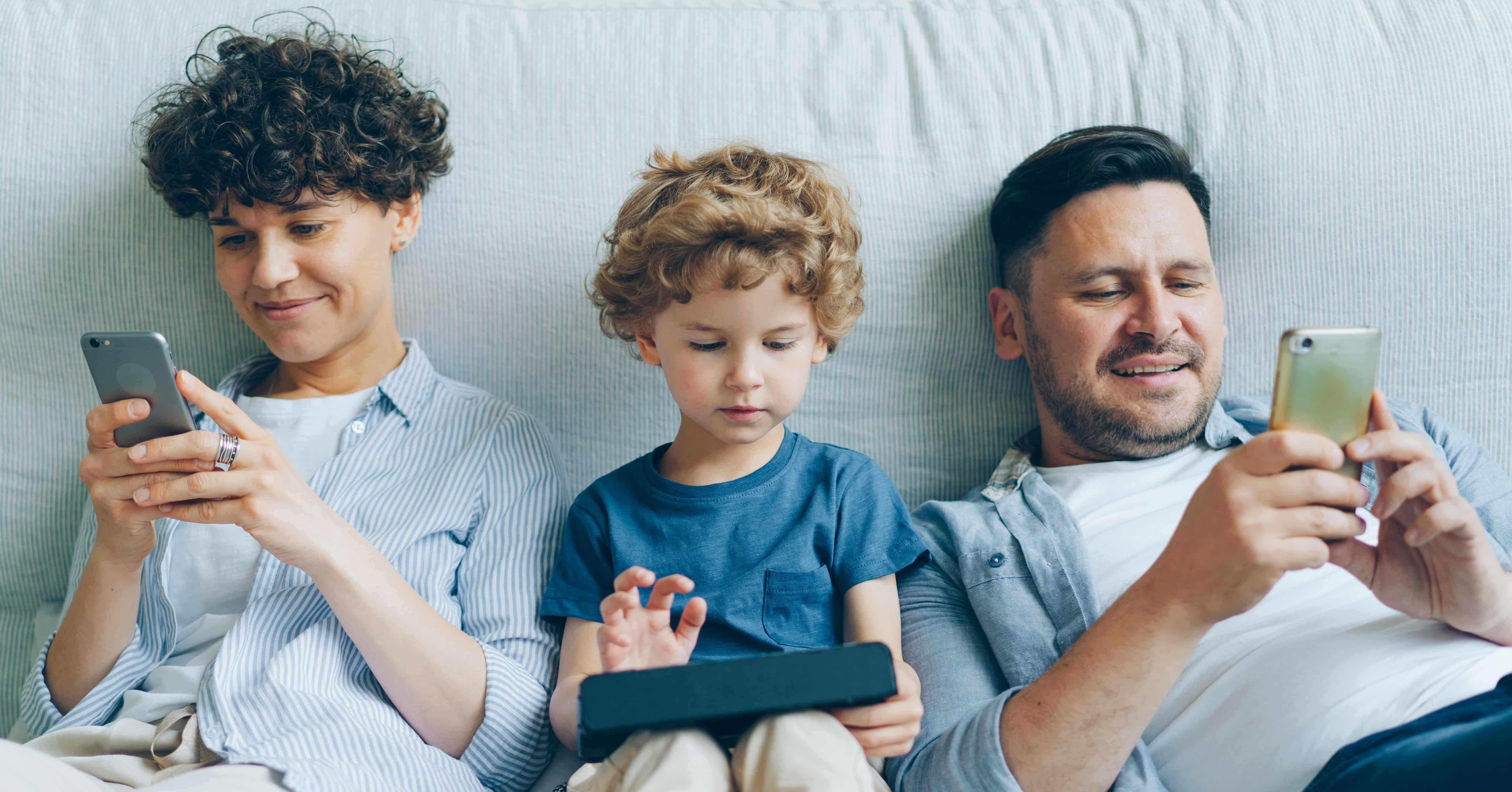
One of the most effective ways to guide children safely online isn’t through hidden surveillance, but through connection, conversation, and shared agreements. When parents begin by listening to their children about what worries them, what they enjoy, and what feels out of control, they build a foundation of trust. That trust becomes the launch pad for screen-time guidelines, digital boundaries, and the kind of autonomy children need to develop resilience. GKIS emphasizes this approach through its Connected Family Screen Agreement, a free tool designed to invite open dialogue instead of enforcing silence. It helps kids understand why parents have concerns and utilize safety tools and techniques.

Instead of solely relying on rigid controls, the path to healthier online habits includes tools, skill-building, and gradual transition. GKIS’s Screen Safety Toolkit isn’t a spy-kit; it’s a resource for families to use as practical checklists, conversational prompts, and strategies to empower children rather than just restricting them.

By investing in tools like this, parents can shift from pushing their kids to secrecy to creating a trusting relationship through honest communication. This way, your child knows that they are safe, supported, and ready to navigate the digital world with you by their side.


Thanks to CSUCI intern, Elaha Qudratulla, for researching and sharing an important story about how online safety is more important than online policing.

I’m the mom psychologist who will help you GetKidsInternetSafe.

Onward to More Awesome Parenting,

Tracy S. Bennett, Ph.D.
Mom, Clinical Psychologist, CSUCI Adjunct Faculty
GetKidsInternetSafe.com

Works Cited

[1] https://www.pewresearch.org/internet/2020/07/28/parenting-children-in-the-age-of-screens/

[2] https://www.ucf.edu/news/apps-keep-children-safe-online-may-counterproductive/

[3] https://arxiv.org/pdf/2303.09008

[4] https://www.sciencedirect.com/science/article/abs/pii/S0140197117302051


Photos Cited

[1] Rizki Kurniawan

[2] Marten Newhall

[3] Tasha Kostyuk

[4] Vitaly Gariev

https://unsplash.com/

Off the Phone and On the Soccer Field: My Cure for Digital Disconnection

Kids crave connection. Face-to-face interaction and emotional closeness are vital for healthy development—particularly for adolescents.[1] Screen time offers shallow connections and distracts kids from those unpleasant cravings. It also keeps kids so busy that they don’t seek the connection they so desperately need. What if they didn’t have to be so lonely? What if there was a way they could be off their screens, doing something good for their health, and making friends at the same time?  For me, that was playing sports.

The Seed Was Planted

As a child, I was most excited to hang out with my friends, be on my phone, watch TV, or eat sweets, in that order. That was until I joined a team sport.

It all started when my mother asked me if I wanted to join the local soccer team. I was nine years old and against the idea because I didn’t want it to cut into cartoon time on the weekends, and had we gone through the Screen Safety Essentials Course, we wouldn’t have worried so much about the impact of screens on us. But she insisted. I only agreed because my favorite cousins were on the team.

I learned from the first practice that I loved the intense physical activity of soccer, and after a while, I began to really get the hang of it. I felt proud and accomplished. I made great friends on the team. We loved team bonding activities and even began to hang out outside of practice. I loved it so much, I gave it my all and looked forward to it all week.

By high school, I had won medals and genuinely felt like I was good at the sport. I received praise and encouragement for all of my efforts and hard work. It also inspired me to work hard in other aspects of my life. I tried harder in school, was friendlier with classmates, more obedient in class, and more eager to participate in the learning process. According to Project Play, high school athletes are more likely to further their education and even receive higher grades in college.[2] I started seeing everything in the world as a skill waiting to be attained, something that required courage, effort, and training.

Having that view of the world helped me when I sprained my ankle right before the start of my freshman season. While recovering, I could have easily scrolled through Snapchat and Instagram endlessly. But I wanted to make sure I continued to build the bond with my teammates for when I returned. It taught me to wait my turn, keep a positive attitude, remain patient, and support others as they shine. As soon as I recovered, my teammates were more than happy to catch me up to speed, and I rebuilt my strength.

Core Memories That Last

One of my most memorable moments taught me something I will never forget. It was my junior year; we were tied 0-0, with a minute left in the game. My team was exhausted, but as captain, I knew this is where my job was most important. I dribbled the ball up the center, dodging two midfielders and one defender, set it up for my left forward, and yelled, “SHOOT!” She shot and sent it straight into the upper right corner of the goal. Everyone who was there to support us was on their feet, our coaches were throwing their clipboards in the air and hugging each other, and our teammates ran to us for a celebratory hug and a jump around. We spent the last 15 seconds of that game with tears in our eyes and joy in our hearts. We had just beaten a 40-year record for our school!

This is when I realized this would have a lifelong impact on me. It was one of those moments that I’ll look back on happily. It was a lifetime of preparation to become someone people could rely on when things got tough and hope felt lost. It was the moment I truly understood what being a leader meant to me and the impact it had on others.

I hugged and thanked my mother for signing me up for soccer at nine years old. She introduced me to the first love of my life, and I would forever be grateful for that. From then on, I never doubted my abilities to get something done, never lost confidence in myself, and never hurt someone without apologizing or broke something without trying to replace it.

The Impact of The Beautiful Game

Project Play reports that sports, in particular, can positively impact aspects of personal development among young people, keep them away from harmful substances, and encourage cognitive, educational, and mental health benefits.[2] I believe my experience of playing soccer was so much more than just a fun sport or a way to stay active, although both are tried and true. It was a refinement of my character, it was a positive shift in how I viewed the world and myself in it, it was what taught me that rejection was just redirection, and it was a way to build and maintain connections with people I am still close to, at 27 years old.

Why Everyone Should Play Sports

Participation in sports can protect against the development of mental health disorders.[4] These benefits include lowering stress levels, rates of anxiety and depression.[5]Lifelong participation in sports leads to improved mental health outcomes and even immediate psychological benefits which continue long after participation is over with. The improve self-confidence, encourage creativity, and nurture a higher self-esteem. Statistically, adolescents who play sports are eight times more likely to be physically active at age 24.[3]


Thanks to CSUCI intern, Elaha Qudratulla, for sharing an important story about how beneficial playing sports were for her then and how it still helps her today.

I’m the mom psychologist who will help you GetKidsInternetSafe.

Onward to More Awesome Parenting,

Tracy S. Bennett, Ph.D.
Mom, Clinical Psychologist, CSUCI Adjunct Faculty
GetKidsInternetSafe.com


Works Cited:

[1] https://www.uvpediatrics.com/topics/alone-together-how-smartphones-and-social-media-contribute-to-social-deprivation-in-youth

[2] https://projectplay.org/youth-sports/facts/benefits

[3] https://odphp.health.gov/sites/default/files/2020-09/YSS_Report_OnePager_2020-08-31_web.pdf

[4] https://baca.org/blog/does-playing-organized-youth-sports-have-an-impact-on-adult-mental-health/

[5] https://pce.sandiego.edu/child-development-through-sports/

Photos Cited:

[Header] Eva Wahyuni on UnSplash

[2] Olivia Hibbins on UnSplash

[3] Elaha Qudratulla

[4] Jeffrey F Lin on UnSplash

[5] Elaha Qudratulla

https://unsplash.com/