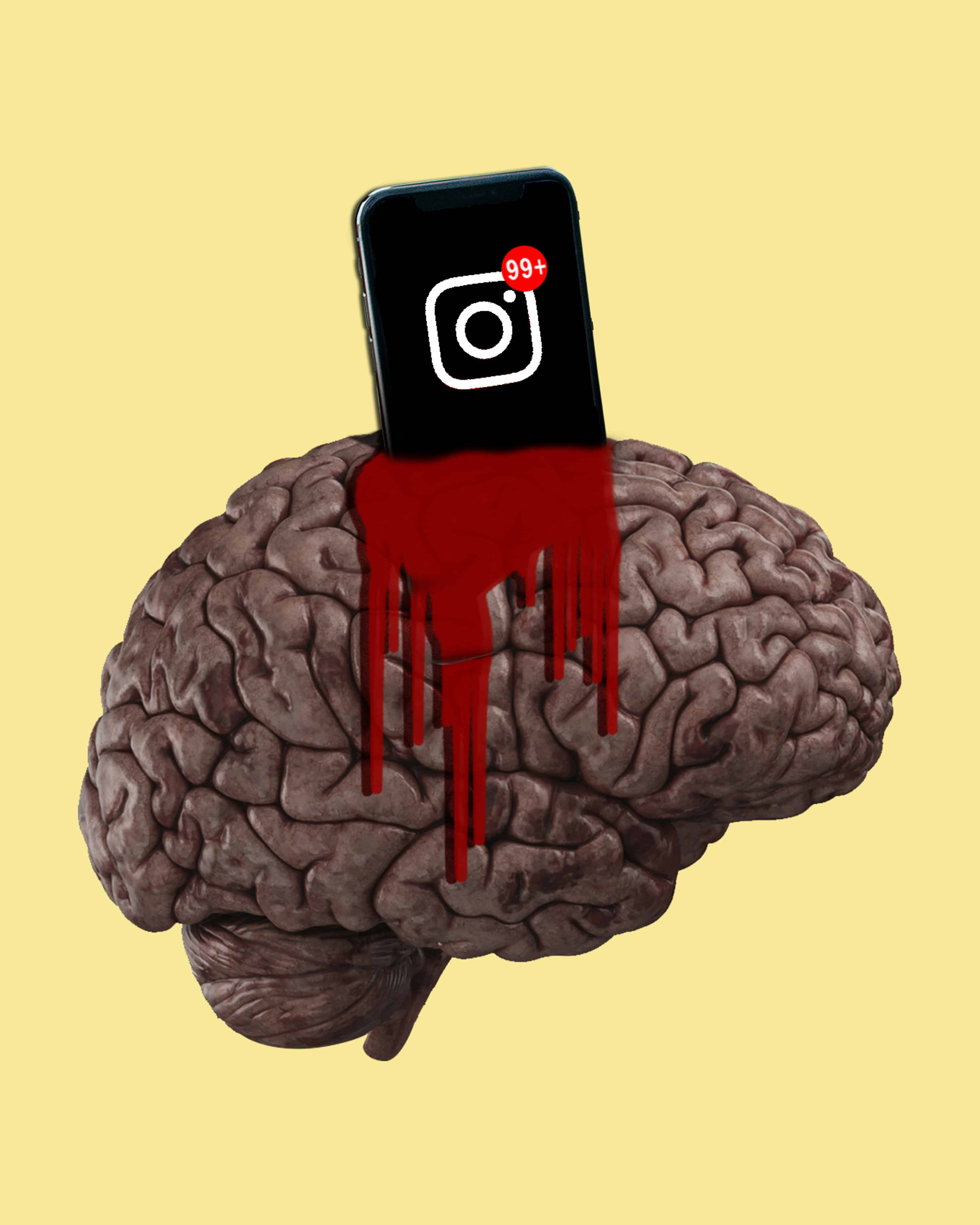
Your child’s social media feed knows more about them than you do. It knows when they’re sad, when they’re bored, and exactly what will keep them doom-scrolling. What started as a tool to share selfies is now a billion-dollar system designed to study their every click. It used to be strangers in parks, but now, it’s the threat in your child’s pocket. Instagram and Snapchat look like fun and harmless apps, but their design is all but innocent. Behind every selfie and snap streak is an algorithm trained to hijack your child’s attention, exploit their self-esteem, and guide their decisions. Today, this function serves as a 24/7 behavioral lab where your child is the test dummy. Every tap and swipe are testing what makes influences them or makes them click and buy.[1]
Before the Storm: When Social Media Felt Safe
When Instagram launched in 2010, its focus was to bring users together, show off talent, share good news, and discover something new. Snapchat followed shortly after, allowing people to share moments in real time, making it feel like you can never be too far away to keep up a connection.[2] For a while, both platforms served as exciting digital spaces for teens to express themselves, keep up with friends, and build their identity during a critical stage of development. That was before the algorithms took over.
Your Child, The Algorithms’ Prey
With time, social media platforms changed and added features to collect more user data and became more addictive. For example, Instagram is no longer a walled garden where users only view the content they search for. Now your child is offered content that their algorithm thinks will keep them hooked on scrolling.
According to the Google Dictionary, an algorithm is a process of calculations, which is usually followed by a computer, to generate problem-solving operations.[3]
Similar to gambling, teens get hooked not by the actual content, but by the mere possibility of upcoming content that can spike their interest for a few seconds longer.[4] Teenage brains are especially vulnerable to dopamine-driven design. Each like or snap streak triggers a small release of dopamine (the brain’s reward chemical).

These dopamine hits reinforce behavior, which grows the addiction to likes, snaps, and screen time. Studies show that likes on social media activate the brain’s reward center the same way winning money or eating chocolate does. The effect is often strongest in adolescents.[5] Check out a similar article on What “Going Viral” Does to Your Brain and Self-Esteem.
Snapchat’s “discover” and “spotlight” tabs work similarly, offering endless videos of curated, attention-grabbing content. These algorithms are powered by machine learning models trained on user data, so that every like, pause, screenshot, and swipe is noted and catered to. Eventually, all of this info is used to create a feed of things your child’s eyes and attention will be glued to for hours on end.
Also, Snapchat’s infamous “Snapsteaks” turn communication into an obligation. Teens often feel pressure to maintain streaks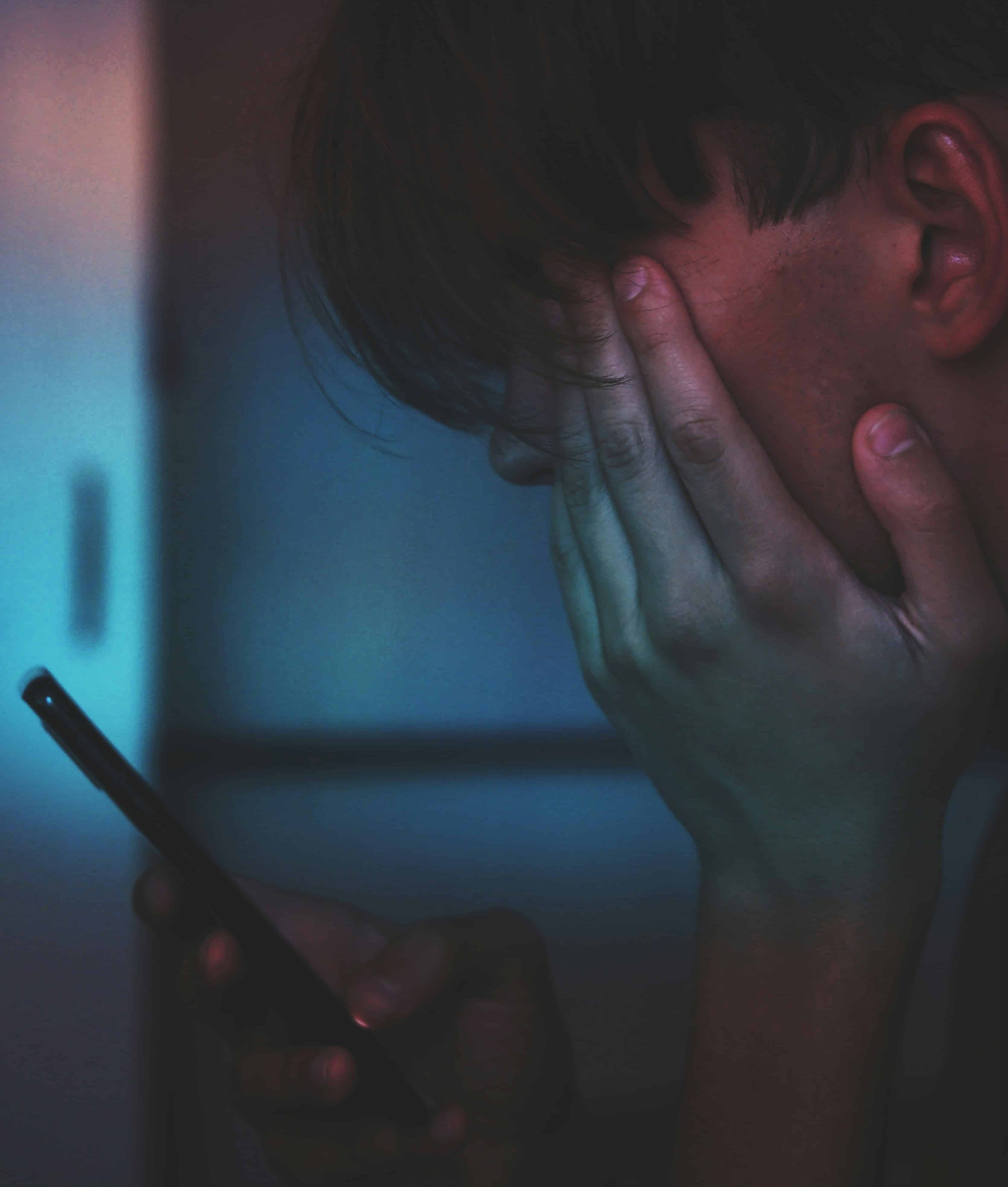 daily, even with people they barely know, just to avoid losing their digital relationships.
Social media has always been performative to some degree. But algorithms now reward exaggerated, filtered, and fake versions of life. Filters that alter facial features and bodies have made it harder for teens to see the difference between real and edited images. The compare and despair dynamic can lead to poor self-image and increasing dissatisfaction among vulnerable kids and teens. External validation through repeated use of social media is linked to increased anxiety, depression, and low self-esteem in adolescents.[6] Check out this GKIS article on how Beauty Filters Don’t Embrace Brown Beauty: The Rise of Colorism.

Take Back the Power
As tempting as it is to ban the use of these apps altogether, it can backfire. Overly punitive responses can promote child secrecy and risky behavior, especially as teens are coming into their own and learning to be more and more independent. Get ahead of it and be their ally by educating them about the hidden risks. Tackle this problem together by taking The GKIS Social Media Readiness Course. Our online course was created for tweens and teens to help them learn safer social media habits and practice better emotional wellness. With these skills, when they come in contact with harmful social media content, they will have their shields up.

Thanks to CSUCI intern, Elaha Qudratulla, for researching and co-writing this article. Check out more of her work here on GKIS:
The Hidden Dangers of Online Grooming: I Was Only 13
Netflix Documentary, Bad Influencer, Exposes Parent Producer Abusing Child Influencers
I’m the mom psychologist who will help you GetKidsInternetSafe.
Onward to More Awesome Parenting,
Tracy S. Bennett, Ph.D.
Mom, Clinical Psychologist, CSUCI Adjunct Faculty
GetKidsInternetSafe.com
Works Cited
[1]https://www.frontiersin.org/journals/sociology/articles/10.3389/fsoc.2020.599270/full [2]https://doi.org/10.1080/1369118X.2015.1084349 [3]https://www.google.com/search?q=definition+of+an+algorithm&rlz=1C1GCEU_enUS947US947&oq=definition+of+an+algorithm+&aqs=chrome..69i57j0i512j0i22i30l8.10231j0j7&sourceid=chrome&ie=UTF-8 [4]https://doi.org/10.1016/j.tics.2015.09.004 [5]https://doi.org/10.1111/cdev.12838 [6]https://doi.org/10.1080/02673843.2019.1590851Photos Cited
[Header] Gaspar Uhas on Unsplash [2] Karsten Winegeart on Unsplash [3] Soheb Zaidi on Unsplash [4] Adrian Swancar on Unsplash [5] Jeffery Kennan on Unsplashhttps://unsplash.com/